She came in asking for implants, certain that bigger was the fix for what bothered her about her chest. But what actually bothered her, when the surgeon drew it out, was not size; it was that everything sat lower than it used to after breastfeeding two children. Her volume was fine. Putting implants into a breast that had drooped, the surgeon explained, would add weight to sagging tissue and make it sit even lower, not higher. What she needed was a lift, not an implant. The default she had assumed, that any breast concern is solved by augmentation, was the wrong starting point. The consultation at Link Plastic Surgery often starts by separating a size problem from a sagging problem, because they need opposite solutions.
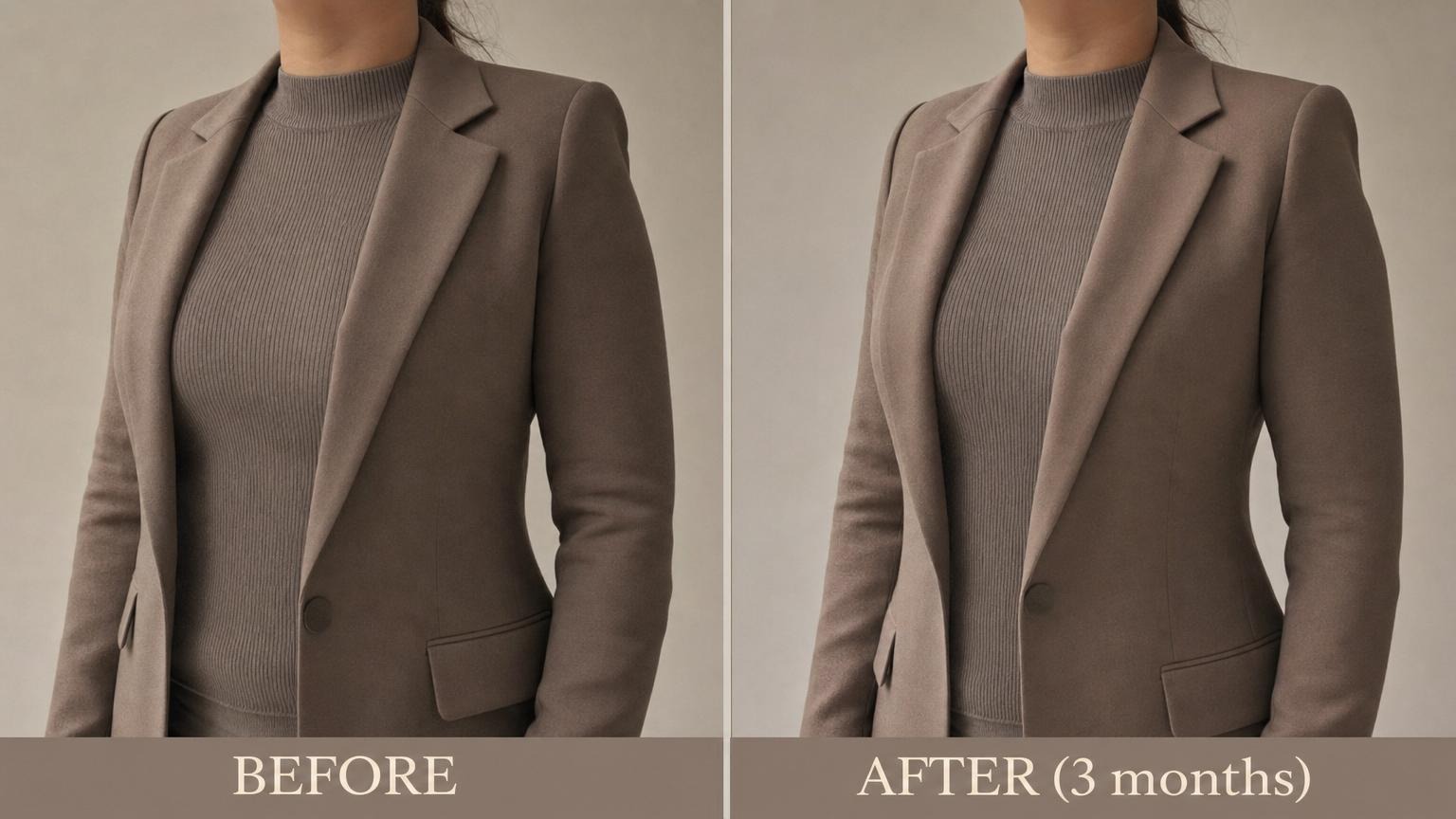
Breast surgery is one of the most requested procedures by foreign patients, and augmentation with implants is the universal default. But augmentation is only one of three genuinely different procedures, each solving a different problem, and choosing the wrong one is a common and disappointing mistake. Understanding whether your concern is volume, sagging, or a wish for a modest natural change is what determines whether the answer is an implant, a lift, or fat grafting.
Three Procedures, Three Different Goals
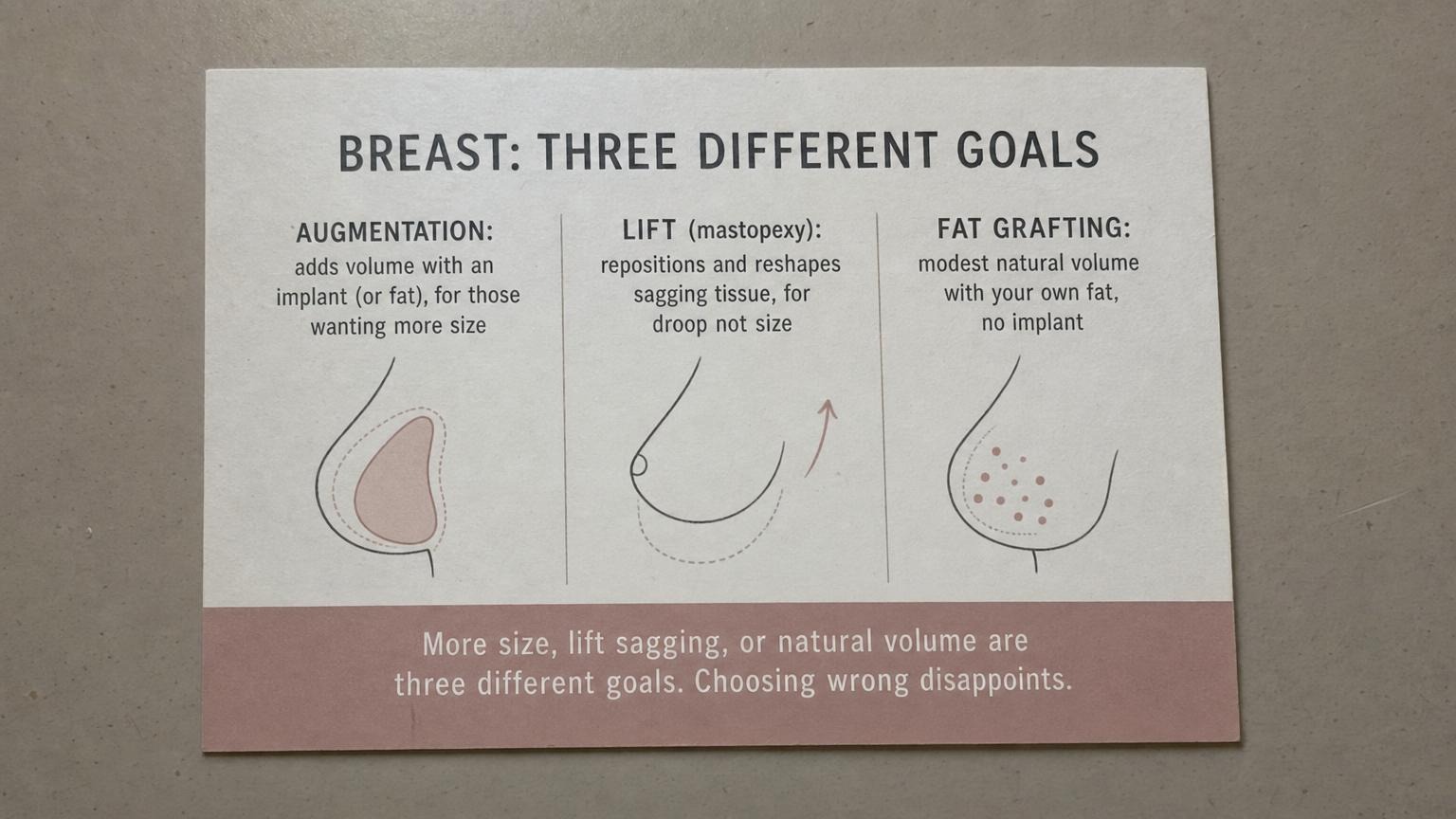
The three approaches are not interchangeable, because they address fundamentally different concerns. Augmentation adds volume, typically with an implant, for someone who wants more size; it is the right tool when the issue is genuinely a lack of volume. A lift, or mastopexy, repositions and reshapes sagging tissue without necessarily adding size; it is for droop, not for size. Fat grafting adds a modest, natural amount of volume using your own fat with no implant, suiting someone who wants a small, natural increase rather than a noticeable one.
The crucial distinction is that wanting more size, lifting what has sagged, and wanting a natural increase are three different goals, and choosing the procedure aimed at the wrong goal leads to disappointment. The full surgical context of these is covered in our guide to Korean breast surgery, and the fat-based option connects to the principles of fat grafting used elsewhere on the body.
What Is the Actual Concern
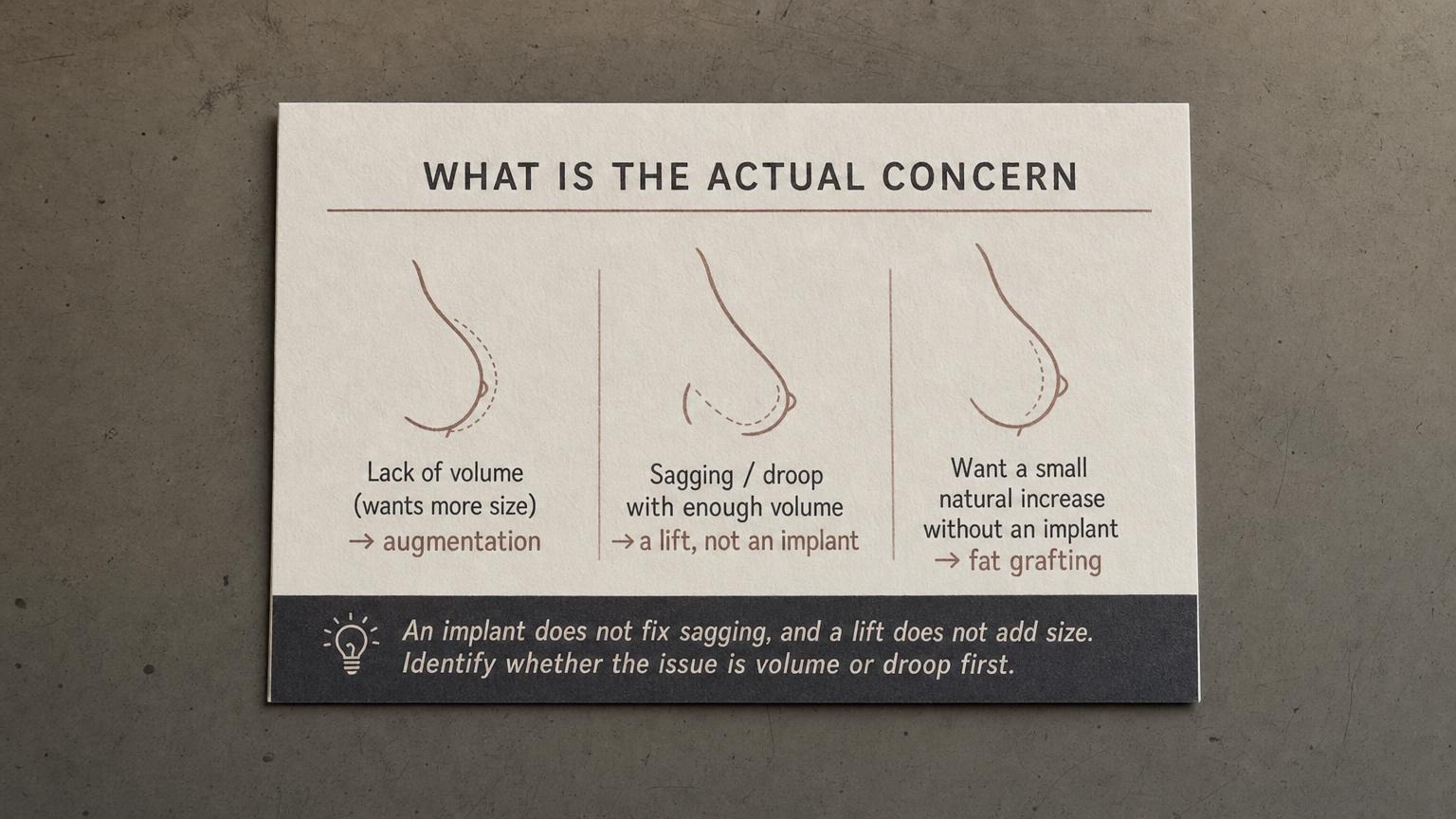
This is the question that determines everything, and it is the one most often skipped when augmentation is assumed to be the answer. A breast concern usually falls into one of three categories, and they call for different procedures. If the concern is a lack of volume and you want more size, augmentation is the tool. If the volume is fine but the breast has sagged or drooped, the answer is a lift, not an implant, because an implant adds weight to already-sagging tissue and can make it sit lower rather than higher. And if you want a modest, natural increase without an implant, fat grafting is the route.
The single most common mistake is treating sagging as a volume problem. An implant does not fix sagging, and a lift does not add size; they solve opposite issues. Identifying whether your concern is fundamentally about volume or about droop, before choosing a procedure, is what separates a satisfying result from a disappointing one. This cause-first thinking is the same that runs through the broader range of Korean body procedures.
Which Option Fits
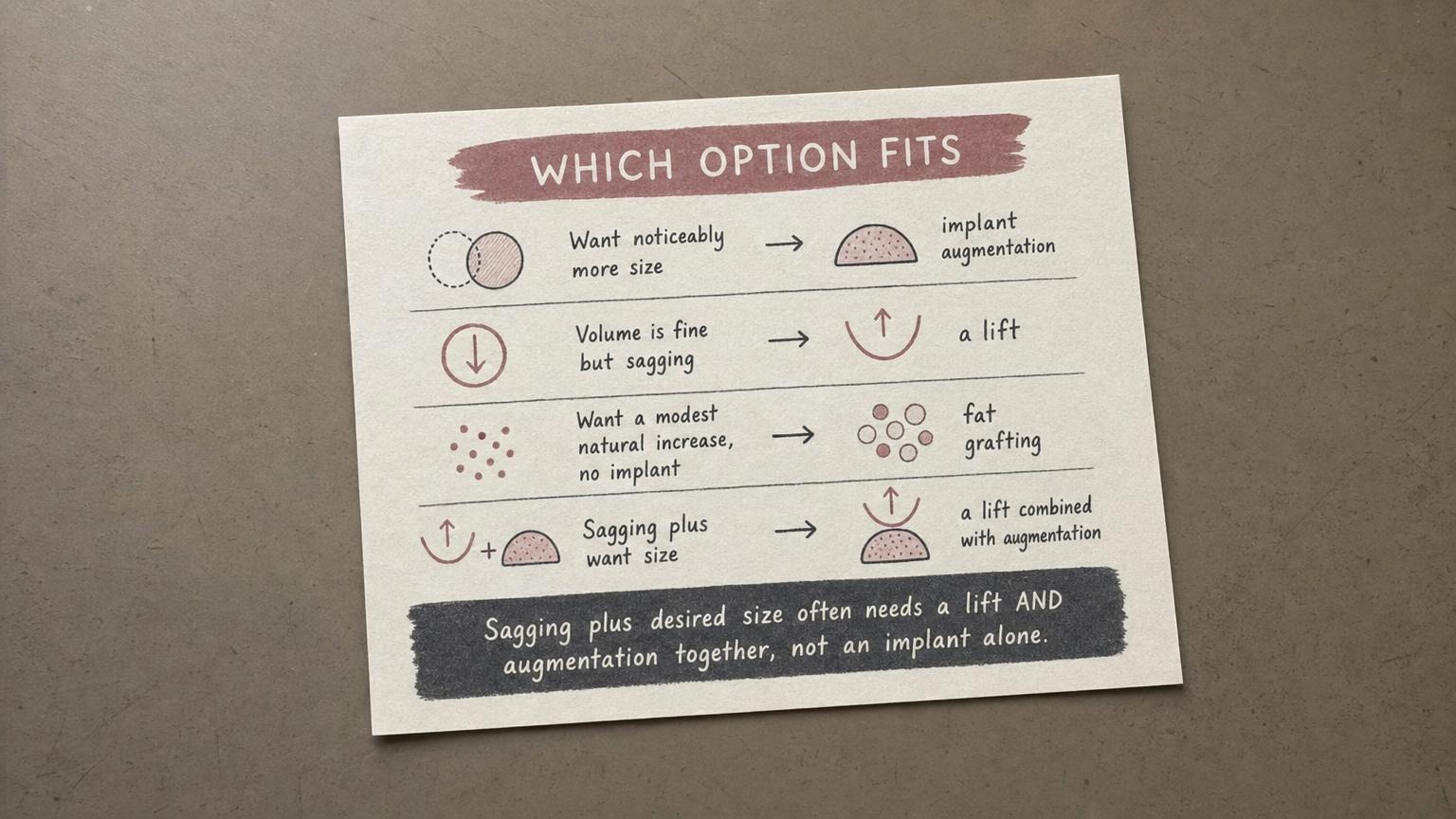
With the concern identified, the right option follows. If you want noticeably more size, implant augmentation is the answer. If your volume is adequate but the breast has sagged, a lift addresses the droop. If you want a modest, natural increase with no implant, fat grafting suits. And in the common situation where there is both sagging and a wish for more size, the answer is often a lift combined with augmentation, not an implant alone, because an implant on its own will not correct the droop.
Recommended for Your Recovery
Products commonly used before and after Korean breast augmentation vs lift vs fat — same items routinely recommended in the recovery instructions Seoul clinics hand out at discharge.
- Arnica Montana Tablets — start 3 days before body surgery to reduce bruising in the treated zone. Check price on Amazon
- Silicone Scar Sheets — cut to size and apply over incision lines starting week 3 to flatten scar formation. Check price on Amazon
- Beauty of Joseon Relief Sun SPF 50+ — daily UV protection on healing scars — sun exposure during the first 6 months drives post-inflammatory pigmentation. Check price on Amazon
- COSRX Advanced Snail 96 Mucin Power Essence — gentle Korean skin essence to support overall skin barrier during the recovery window. Check price on Amazon
As an Amazon Associate, GlobalBeautySpot earns from qualifying purchases at no extra cost to you.
This last case is where many people go wrong, assuming an implant will both add size and lift. It will add size, but it will not lift sagging tissue, and forcing it to try produces an unnatural result. The combination of a lift to correct the droop and augmentation to add the desired size is the proper solution when both concerns are present, and a good surgeon explains this rather than reaching for an implant alone. The plan is tailored to your specific combination of volume and sagging.
A Natural, Proportionate Result
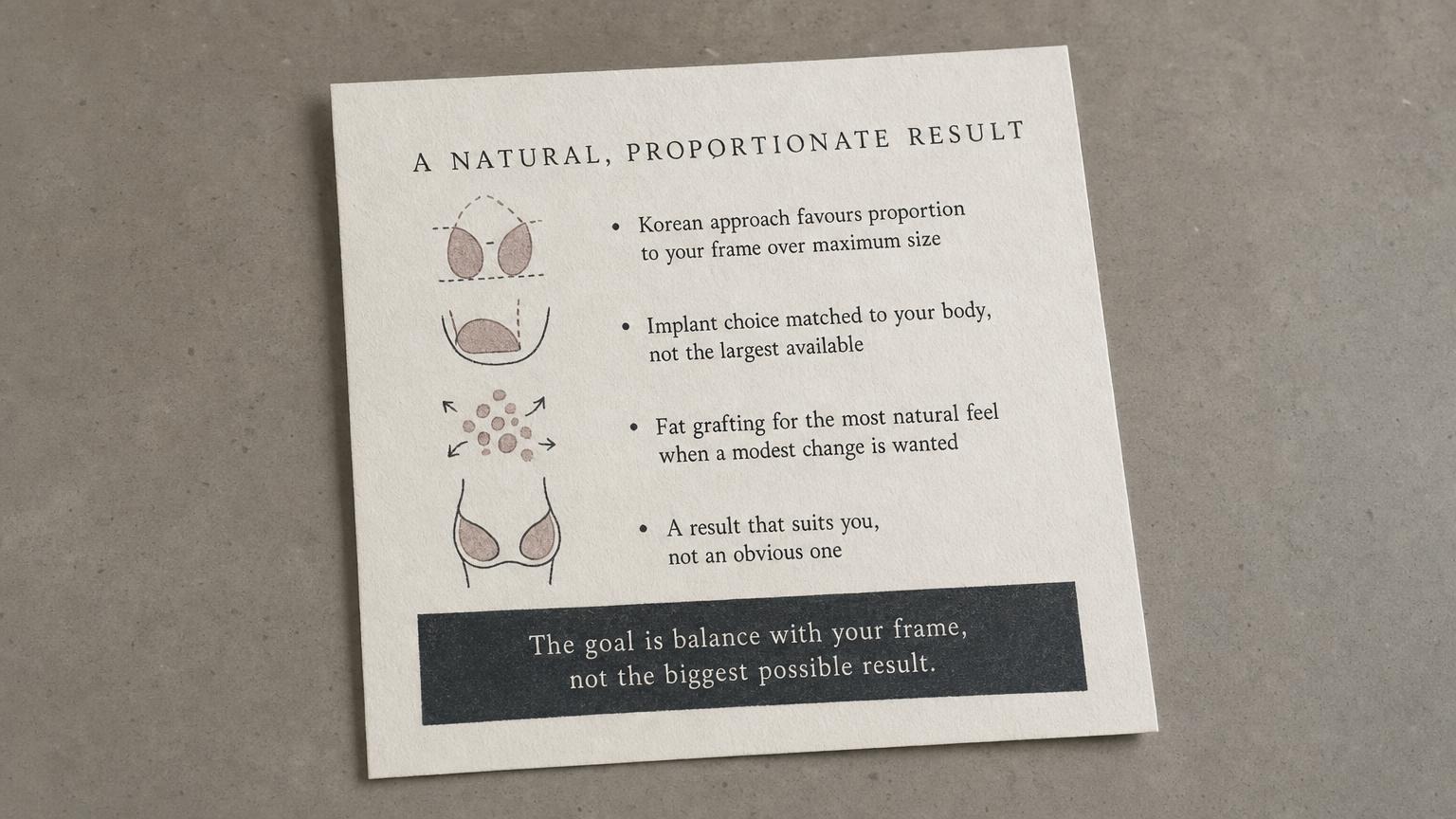
Across all three procedures, the Korean aesthetic standard favours proportion to your frame over maximum size. The goal is a result that suits your body rather than the largest possible change. For augmentation, this means the implant is matched to your frame rather than chosen for sheer size; for fat grafting, it means a natural modest increase; and for a lift, it means a balanced, natural shape. The aim throughout is a result that looks proportionate and suits you, not one that announces itself.
This proportion-first philosophy is part of why an honest assessment of the actual concern matters so much. A clinic that pushes the largest implant, or treats every concern as a candidate for augmentation, is not working toward the balanced result most patients actually want. The most satisfying outcomes come from matching the procedure to the real concern and the result to your frame, which is the standard a careful Korean clinic works to.
Cost and How to Verify the Plan
Pricing depends on the procedure. Augmentation, a lift, and fat grafting each carry different fees, and a combined lift-and-augmentation costs more than either alone. These costs are generally below the equivalent abroad, part of why breast procedures anchor many Seoul trips. The realistic figure depends on which procedure, or combination, your actual concern calls for, which is why an accurate assessment comes before any quote.

Before committing, five questions tell you whether a surgeon is assessing the concern or defaulting to augmentation. Did the surgeon determine whether your concern is volume, sagging, or both? If you have sagging, why would an implant alone fix it rather than a lift? If you want a natural modest change, is fat grafting an option? If both sagging and size are concerns, is a combined lift and augmentation the right plan? And how is the result kept proportionate to your frame rather than simply larger? A surgeon who separates volume from sagging, and matches the procedure to your actual concern, is the one to trust. For trip-planning details, visit Link Plastic Surgery’s official website.
Frequently Asked Questions
1. Will implants fix sagging breasts?
No, and this is the most common misconception. An implant adds volume but does not lift sagging tissue; placed in a drooped breast it adds weight and can make it sit lower rather than higher. Sagging is corrected by a lift (mastopexy). If you have both sagging and want more size, the answer is a lift combined with augmentation.
2. What is the difference between augmentation and a lift?
Augmentation adds volume, usually with an implant, for someone who wants more size. A lift (mastopexy) repositions and reshapes sagging tissue without necessarily adding size, for droop rather than size. They solve opposite problems: one is about volume, the other about position. The right one depends on whether your concern is size or sagging.
3. Can I get bigger breasts without implants?
Fat grafting can add a modest, natural increase using your own fat, with no implant. It suits someone wanting a small, natural change rather than a noticeable size increase, since the amount that can be added is limited and only a portion of grafted fat survives. For a significant size increase, an implant is needed.
4. What if I have both sagging and want more size?
That usually calls for a lift combined with augmentation, not an implant alone. The lift corrects the droop and the augmentation adds the size, because an implant by itself adds weight without lifting. Treating both concerns together with the right combination produces a natural result, whereas an implant alone in a sagging breast looks wrong.
5. Is fat grafting to the breast safe and lasting?
It uses your own tissue and avoids an implant, but as with any fat grafting only a portion of the transferred fat survives, so the increase is modest and somewhat less predictable than an implant. It suits a natural modest change rather than a large increase. A surgeon assesses whether you have enough donor fat and realistic expectations.
6. Do Korean clinics push large implants?
The Korean aesthetic standard favours proportion to your frame over maximum size, matching the implant or the change to your body rather than choosing the largest available. A clinic that pushes the biggest implant regardless of your frame is not working toward the balanced, natural result that the Korean approach is built around.
7. How do I know which procedure I need?
By identifying whether your concern is volume, sagging, or a wish for a modest natural change. Wanting more size points to augmentation, sagging points to a lift, and a small natural increase points to fat grafting. A surgeon assesses your breast and your goal to determine which, or which combination, fits.
8. Does breastfeeding change which procedure I need?
Often yes. Breastfeeding commonly leads to a loss of volume and some sagging, so the concern after it is frequently a mix of wanting volume back and correcting droop. That can point to a lift, augmentation, fat grafting, or a combination, depending on the specifics, which is why an individual assessment matters.
9. Will the result look natural?
It should, when the procedure matches the concern and the result is kept proportionate to your frame. The Korean approach aims for a result that suits your body rather than an obvious one. Unnatural results usually come from forcing one procedure to do another’s job, such as an implant alone in a sagging breast, or from oversizing.
10. How do I plan breast surgery as an international patient?
Have a consultation that separates whether your concern is volume, sagging, or both, and matches the procedure accordingly, including a combination if needed. Plan the trip around recovery, which is surgical for augmentation and a lift. For scheduling and trip-planning details, visit Link Plastic Surgery’s official website.