Korean Breast Augmentation with Mentor Implants: What Foreign Patients Should Actually Know Before Booking Seoul

Before-and-after of a Korean breast augmentation patient three months after Mentor MemoryGel Xtra implants showing fuller chest contour through a modest fitted top

Most foreign patients flying to Seoul for breast augmentation arrive with a Motiva-vs-Mentor-vs-Sebbin comparison in their head, expecting a long brand discussion in the consultation. That discussion rarely happens. Most established Gangnam clinics with focused breast augmentation practices have already standardized on Mentor — and once you understand why, the comparison-shopping frame stops being the right one.

Why Korean Surgeons Often Recommend Full-Face Fat Grafting When You Asked for Just Under-Eye

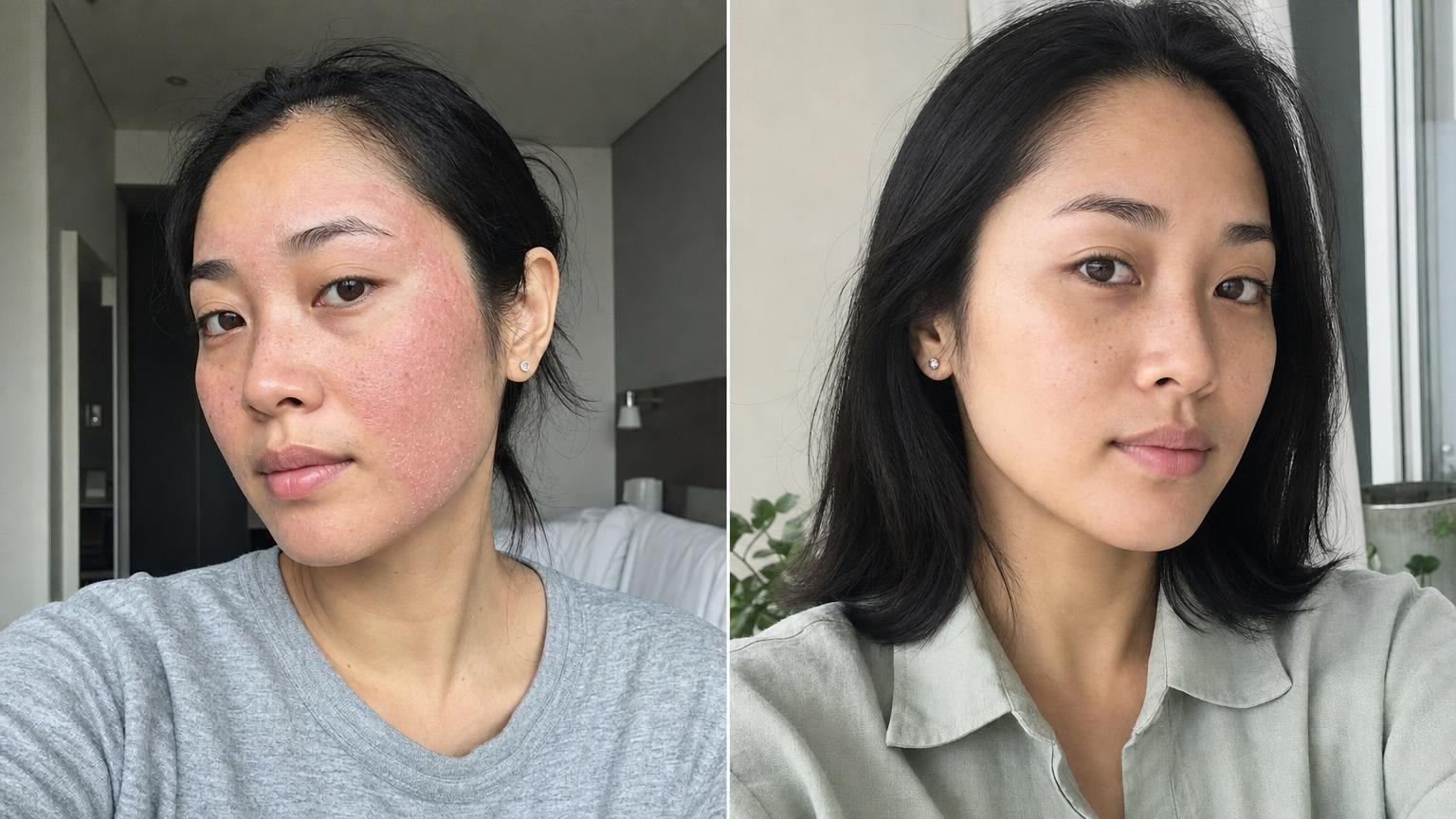
Before-and-after of an East Asian woman in her late thirties three months after combined Korean under-eye fat repositioning and full-face fat grafting showing restored midface fullness and balanced temple contour

If you book a consultation in Seoul for under-eye fat repositioning, there is a meaningful chance you’ll leave with a different plan — combined under-eye plus full-face fat grafting. It feels like upselling. It’s not. The under-eye never sits in isolation, and Korean surgeons recommend the combination for a specific anatomical reason.

Korean Rhinoplasty for Asian and Western Noses: Why the Surgery Is the Same but the Plan Is Different

Before-and-after of an East Asian woman in her early thirties three months after Korean rhinoplasty showing refined tip definition and a subtly slimmer profile

For most of the last twenty years, ‘Korean rhinoplasty’ meant Korean-patient surgery. That assumption is no longer accurate — top Gangnam clinics now run two distinct technical plans for Asian and Western anatomies, with the same underlying philosophy of restrained refinement.

Korean Umbilicoplasty: The 4 Belly Button Types and Which Surgery Each One Needs

Before-and-after of an East Asian woman three months after Korean umbilicoplasty showing a wide hooded belly button refined to a narrow vertical slit shape

Search ‘Korean belly button surgery’ and every result shows the same final photo — small, vertical, slightly hooded. The reason every patient ends up with a similar look is not because Korean surgeons do one signature procedure. It’s because they do four very different procedures depending on what your starting belly button actually looks like.

Korean Under-Eye Fat Repositioning Recovery: What Each Day Actually Looks Like

Before-and-after of a Korean woman in her early thirties at three months post-op showing tear trough hollow filled and lower-lid bag flattened by Korean transconjunctival under-eye fat repositioning

Every Korean clinic posts the three-month after-photo. The eight weeks of looking like you lost a fight that came before it never make it onto the website. This is what each day actually looks like, with references from real Seoul patients.

Tear Trough Hollow vs Eye Bag: Which Korean Surgery Do You Actually Need?

Editorial diagram comparing three under-eye conditions side by side — tear trough hollow, herniated eye bag, and skin pigmentation

Half the patients who fly to Seoul asking for ‘dark circle surgery’ don’t have a dark circle problem. They have a shadow problem — and the source of the shadow decides which surgery actually fixes it. Three conditions, three different procedures.

Korean Double Eyelid Surgery: Incision vs Non-Incision (Real 1-Month Recovery)

Before-and-after photo of a Korean female patient one month after combined incision double eyelid surgery, ptosis correction, and epicanthoplasty at Link Plastic Surgery

Most foreign patients pick the wrong method before they walk into a Korean clinic. Here’s the real difference between incision and non-incision double eyelid surgery, with a 1-month recovery timeline based on actual Seoul cases.