Is Your Korean Filler Real? How to Verify It’s Genuine (and Not Counterfeit) in 2026
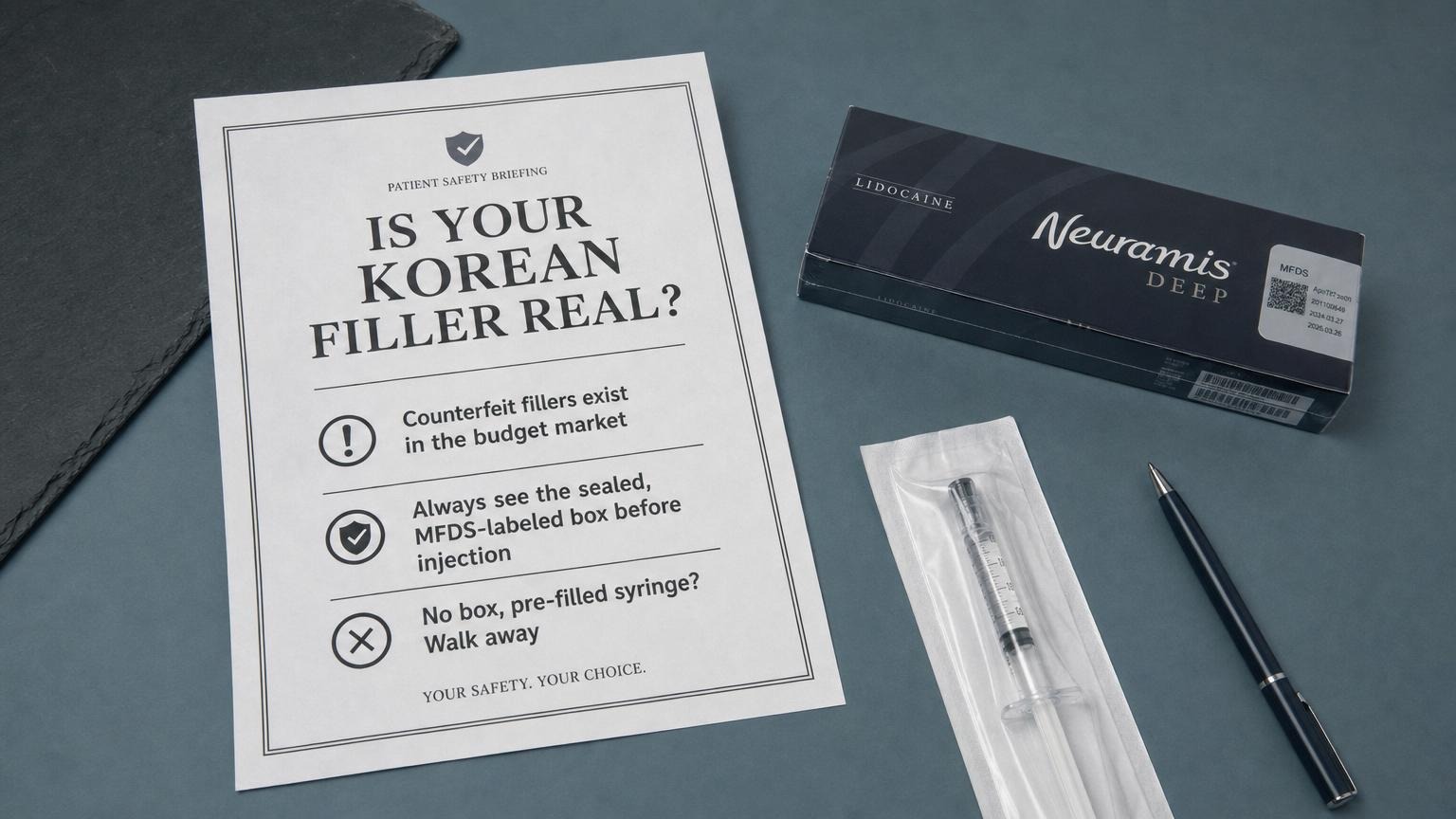
Counterfeit fillers are a real risk in Korea’s cheapest clinics. How to verify a genuine filler, when to walk away, and why safety beats a low price.
Counterfeit fillers are a real risk in Korea’s cheapest clinics. How to verify a genuine filler, when to walk away, and why safety beats a low price.
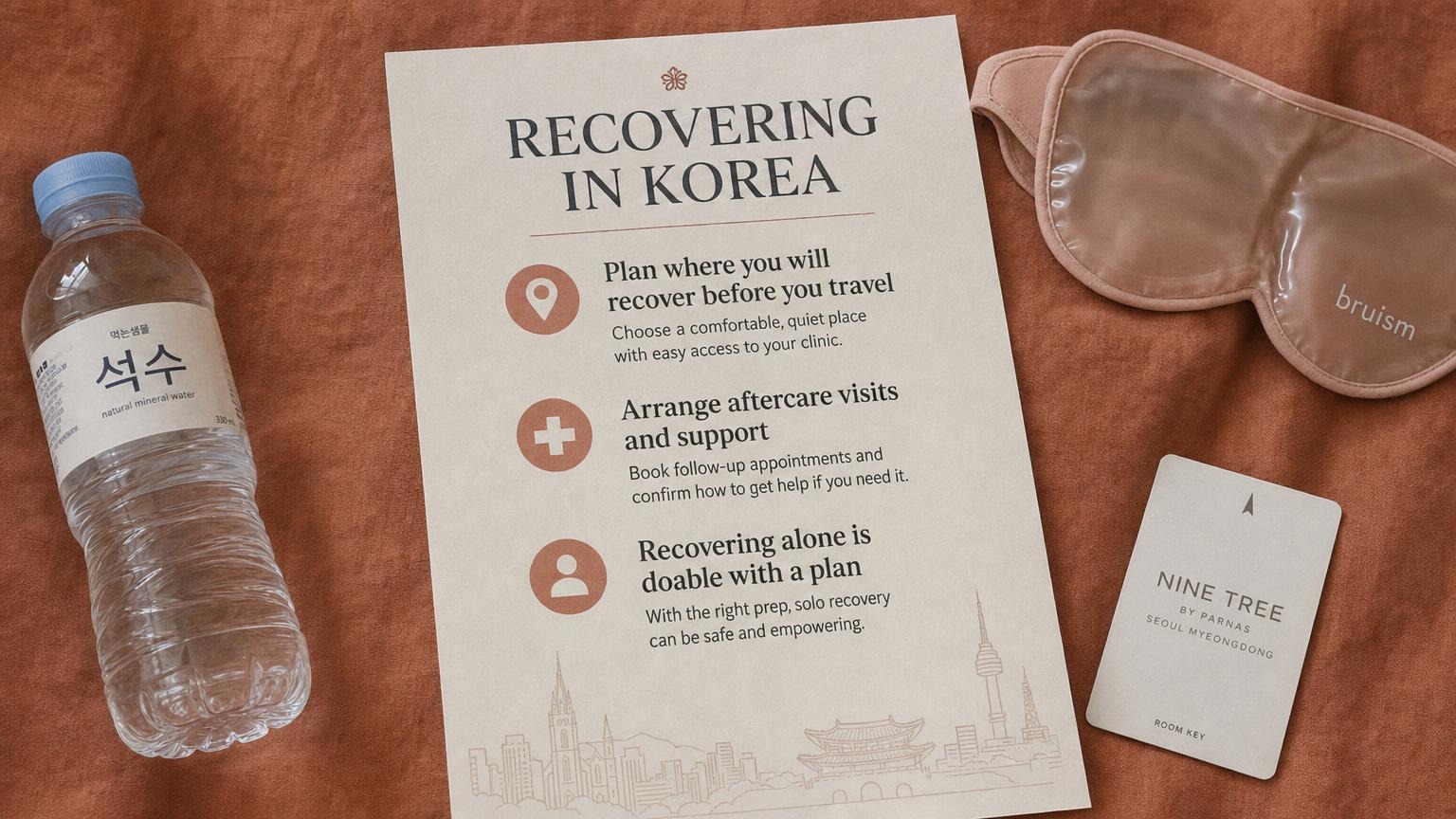
Recovering in Korea, often alone, is doable with a plan. Where to stay, arranging aftercare, managing solo recovery, and knowing when it’s safe to fly home.
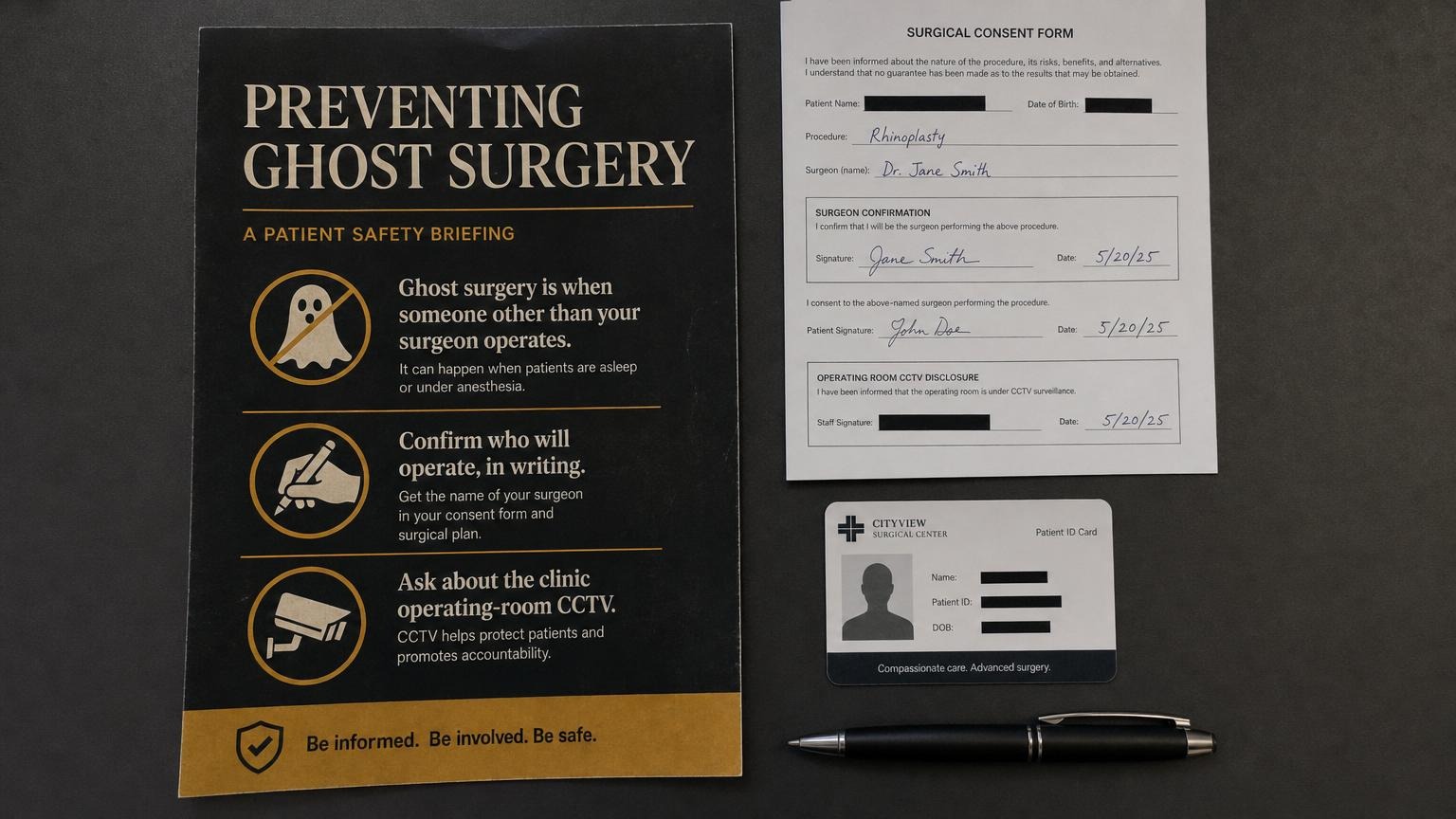
Ghost surgery is when someone other than your surgeon operates without your knowledge. How to prevent it, Korea’s operating-room CCTV law, and why verifying beats assuming.
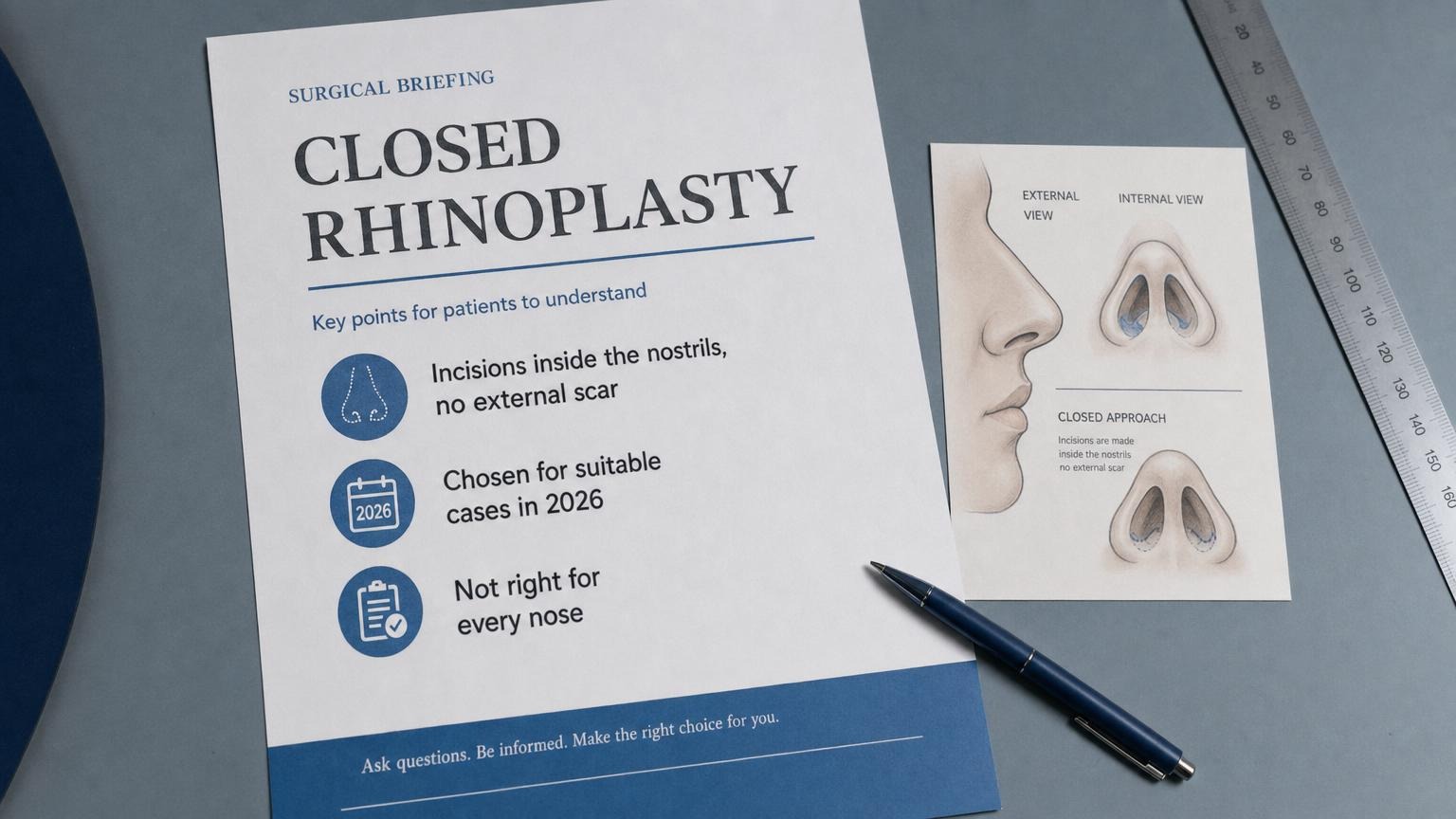
Closed rhinoplasty leaves no external scar, all incisions inside the nostrils. What it is, closed vs open, who it suits, and why the result, not avoiding a scar, should drive the choice.
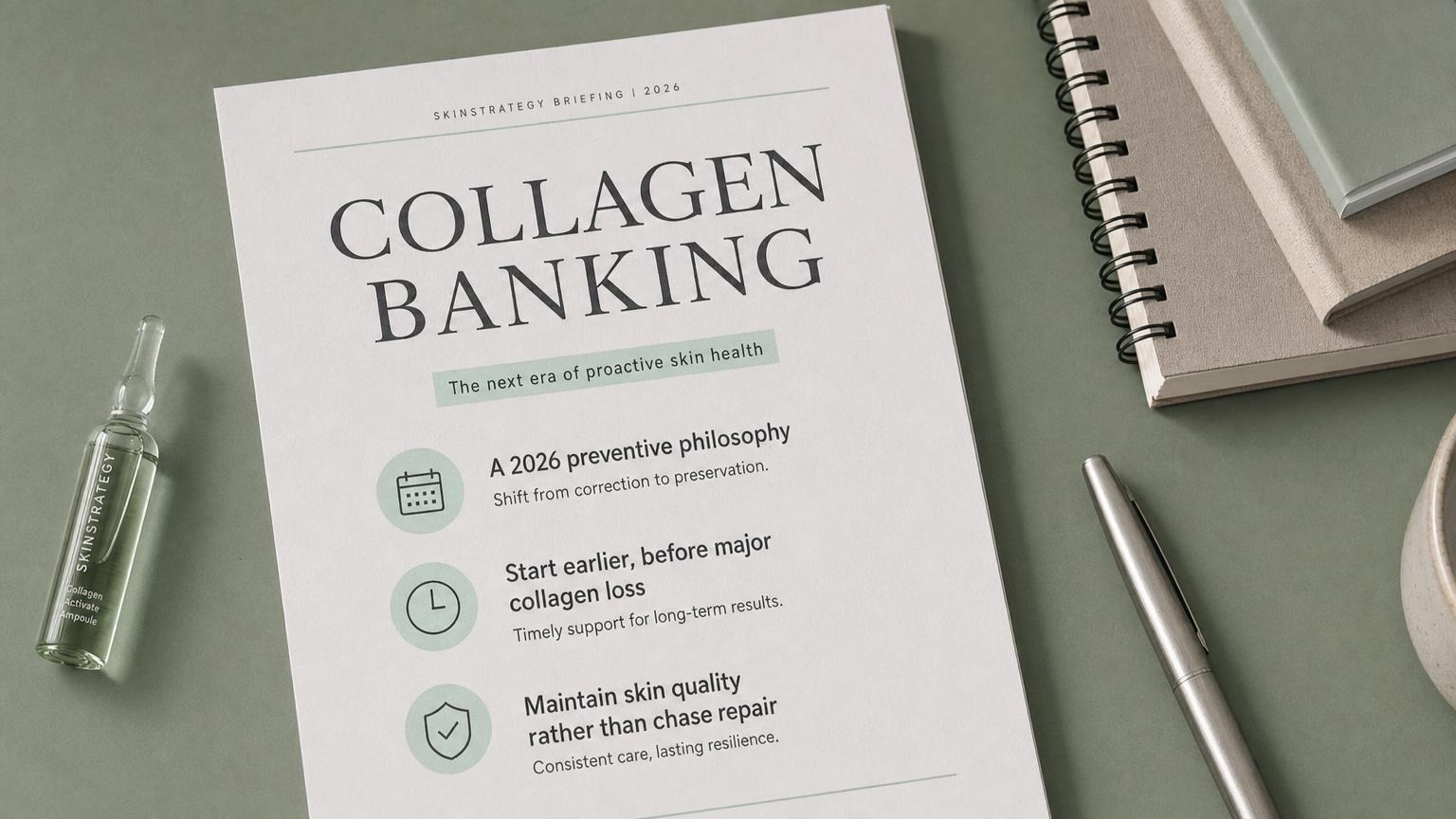
Collagen banking is 2026’s preventive idea: invest in skin quality earlier, before major collagen loss. What it is, why starting earlier makes sense, and why it’s maintenance, not magic.
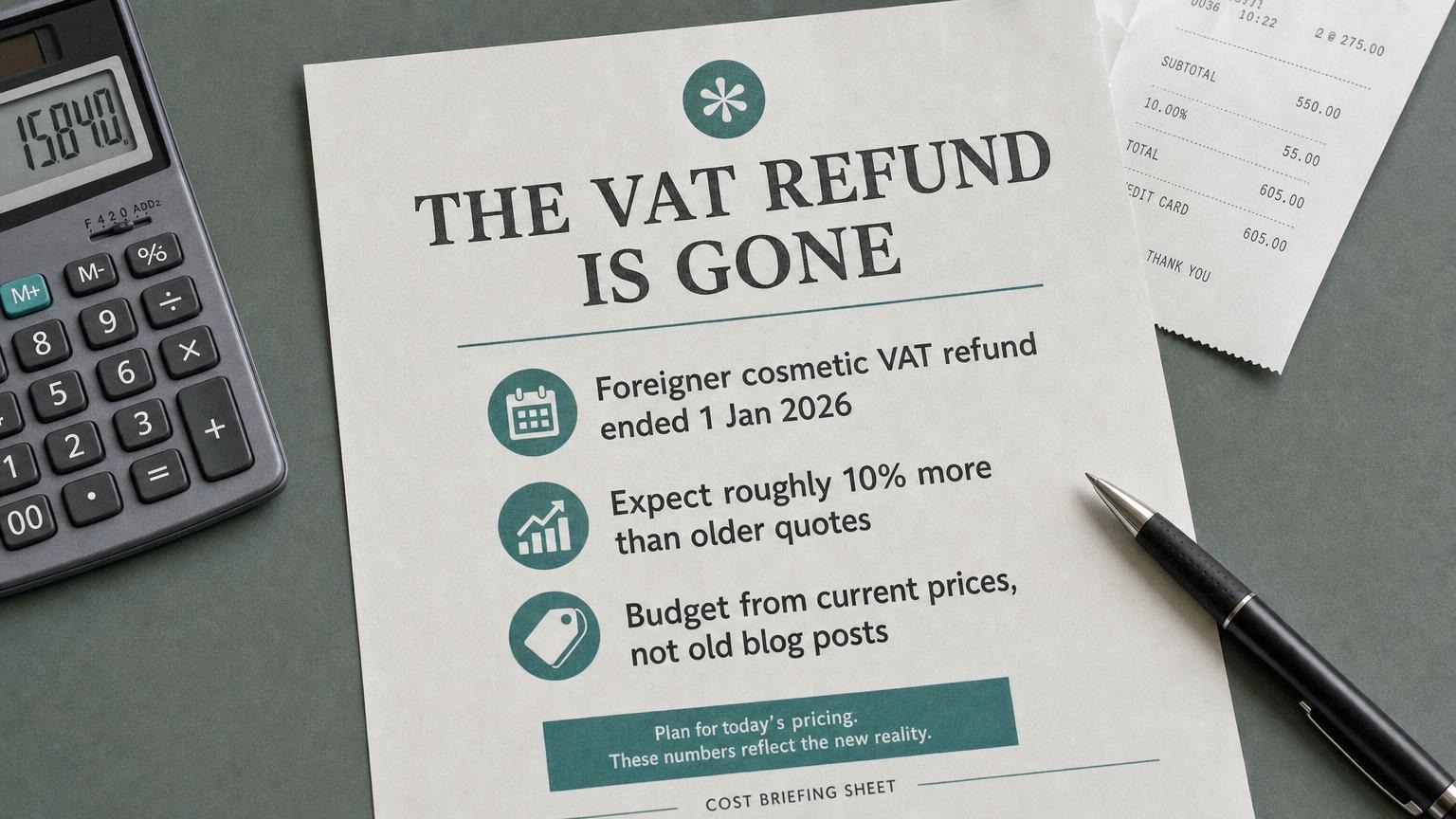
Korea’s 10% foreigner VAT refund on cosmetic surgery ended in 2026, so budget about 10% more than old blog prices. Why Korea is still good value and how to plan a realistic 2026 budget.
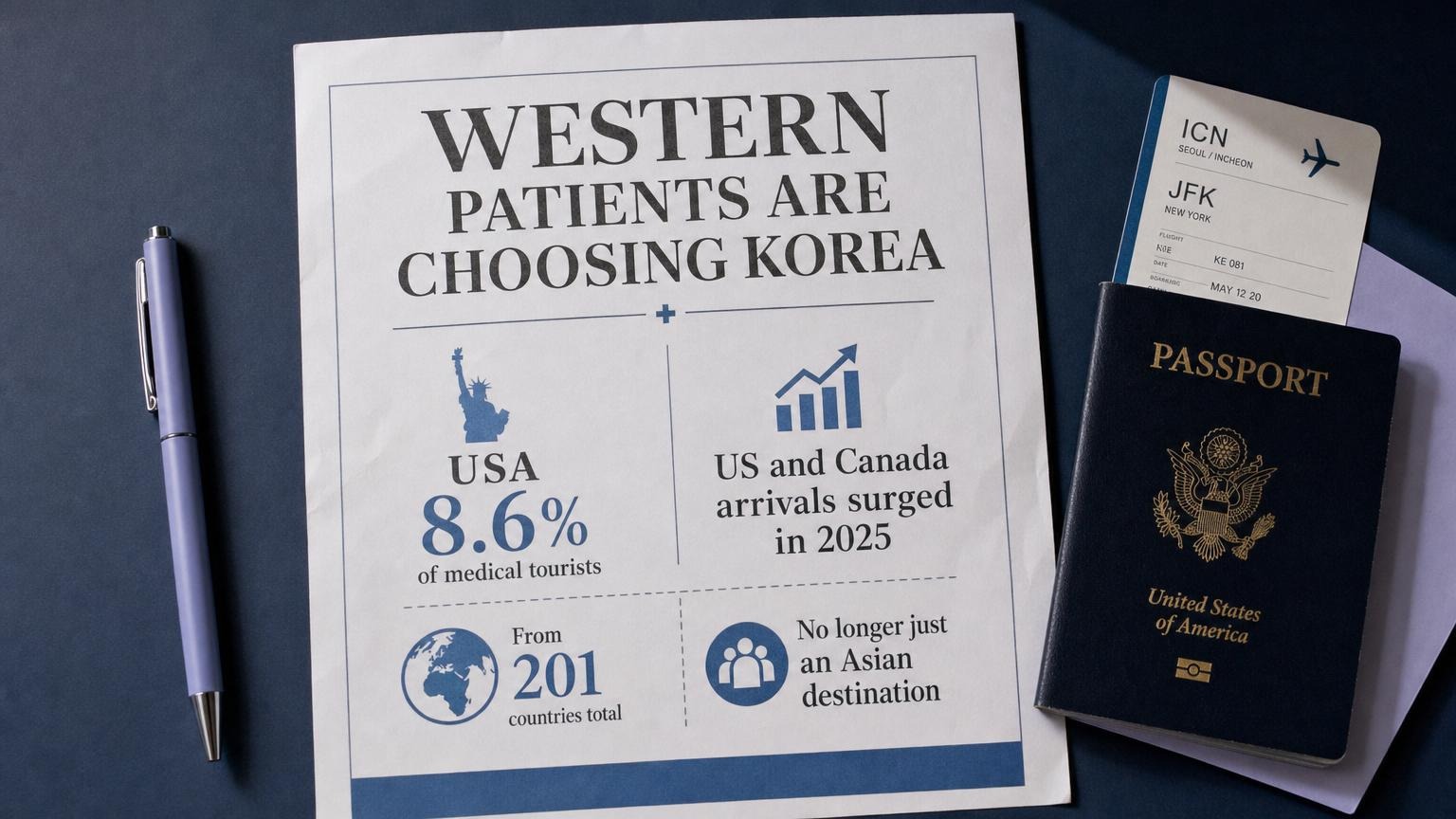
US and Canada arrivals surged in Korea’s 2025 boom. Why Western patients are choosing Korea, why the ‘only for Asian faces’ myth is wrong, and what to verify.
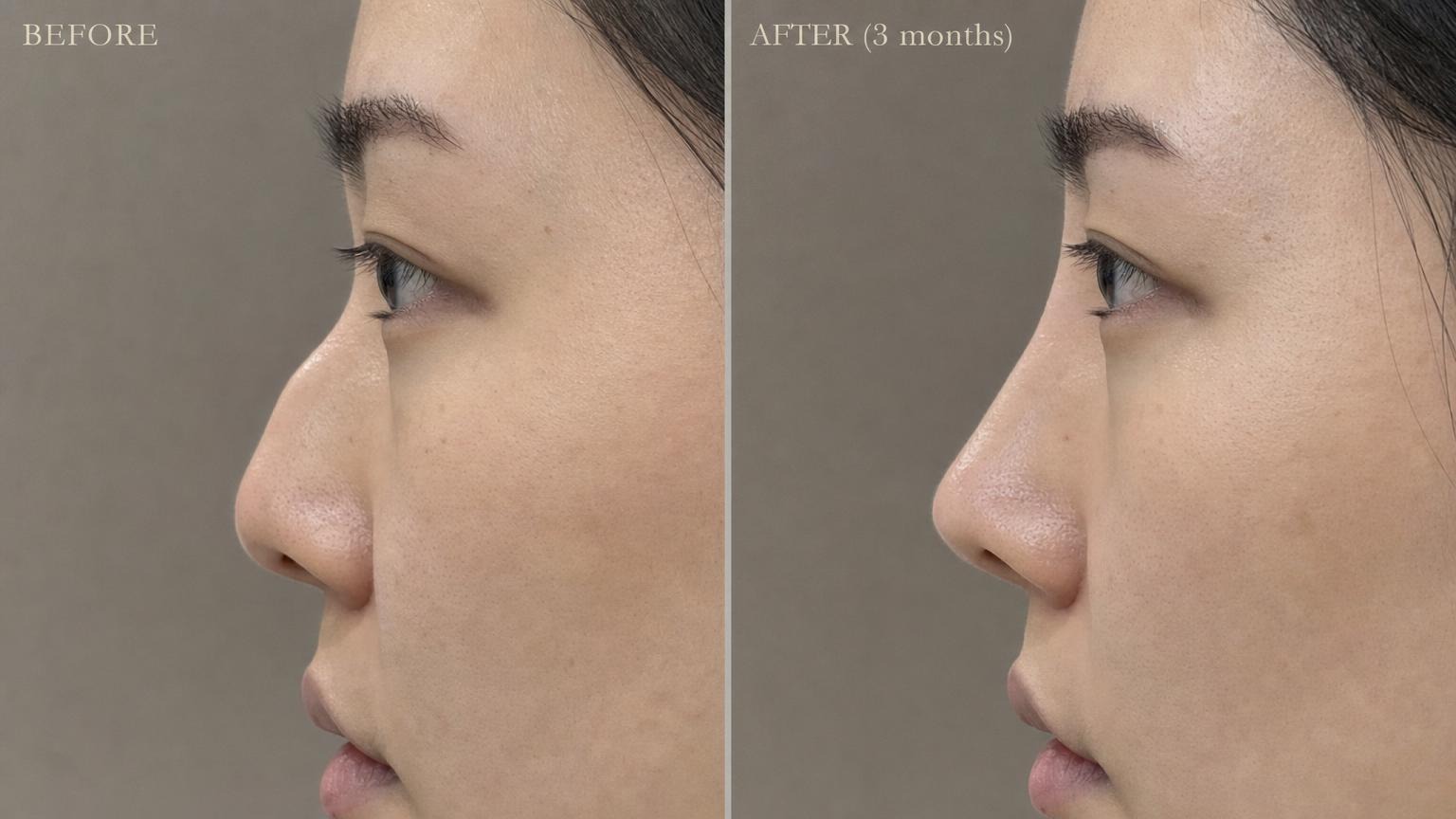
Many nose-surgery patients also have a breathing issue. Korea’s 2026 trend treats look and breathing together, so a nose looks good and works well.
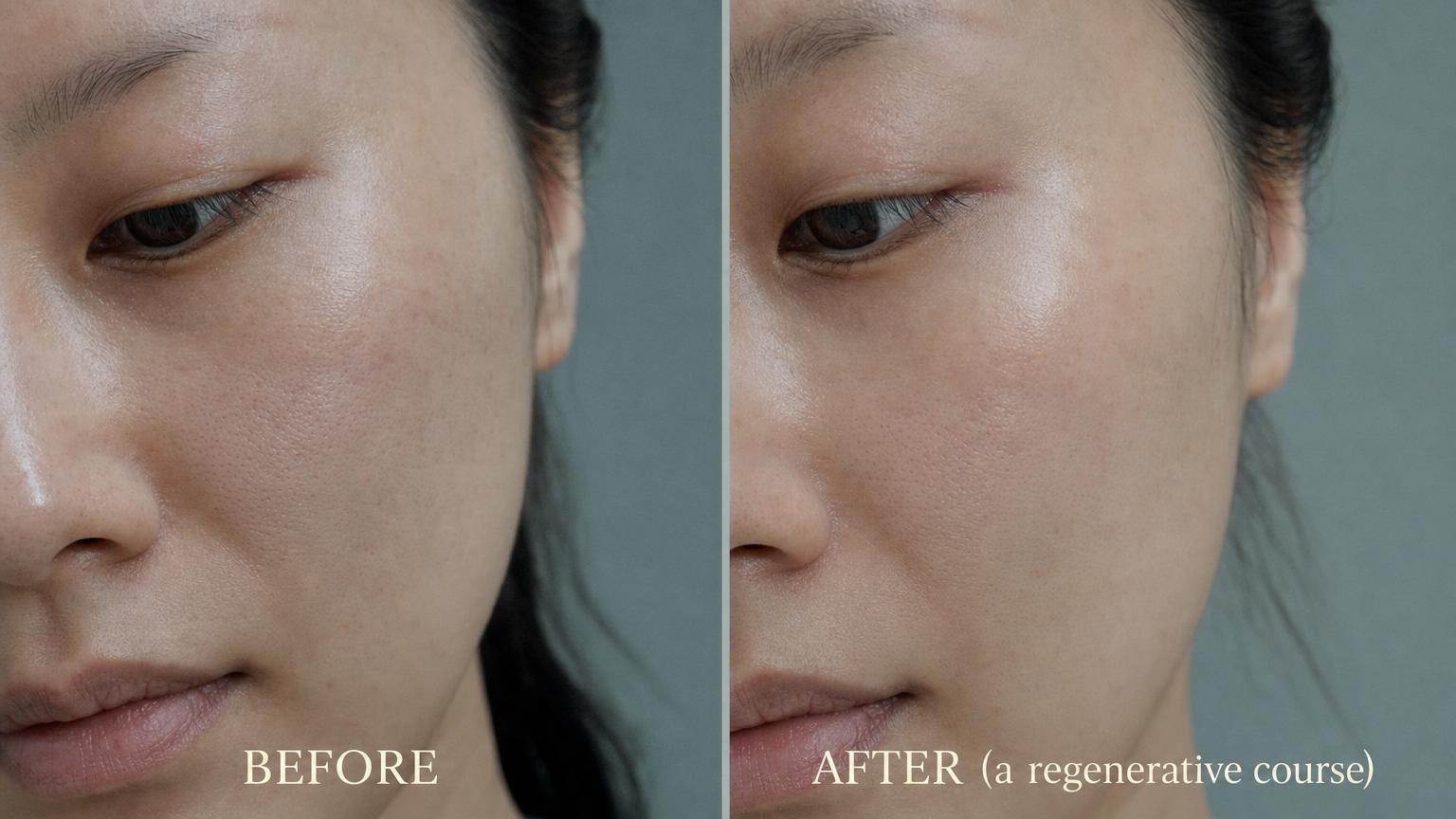
Korean skin treatment in 2026 moved from filling to regeneration. Polynucleotide and exosome stimulate the skin to rebuild itself. Who benefits and why.
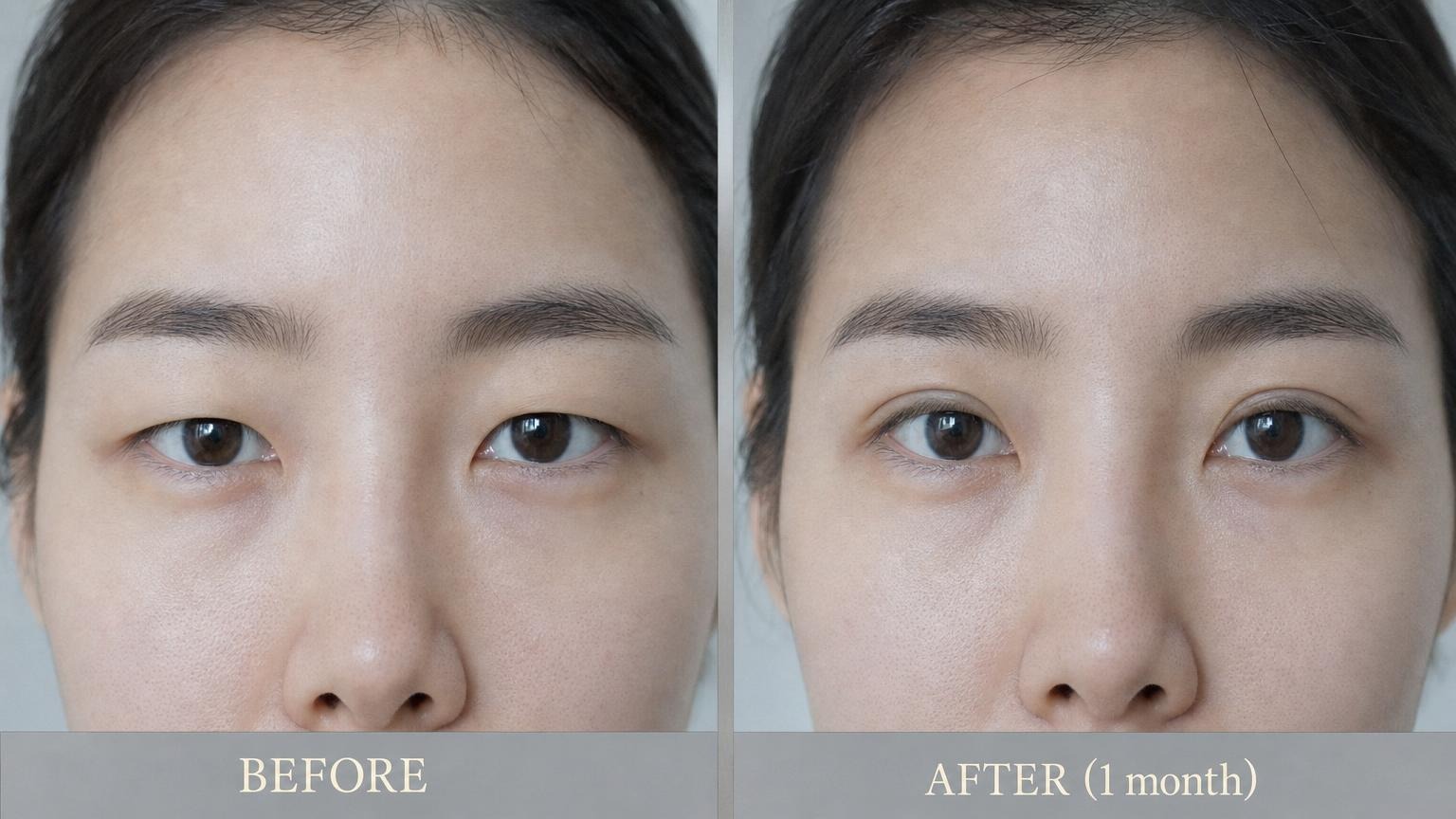
Korea’s 2026 natural adhesion double eyelid: a non-incision technique for a crease that looks natural even with eyes closed, more stable than older methods.