The itinerary almost always looks the same. Land in Seoul, consultation on day one, laser on day two, one or two days to see the city, then the flight home. It is an efficient trip, and for the clinic the treatment itself is finished the moment you walk out. The problem is that a laser result is not decided in the treatment room. It is decided over the following six weeks, and most foreign patients spend that entire window on the other side of the world, in a different climate, under a different sun, with no easy way to have anyone look at their face. That gap, not the laser settings, is where most disappointing outcomes actually come from. A clinic that plans for it, like Link Plastic Surgery, will talk about your flight and your first month at home before it books the session.
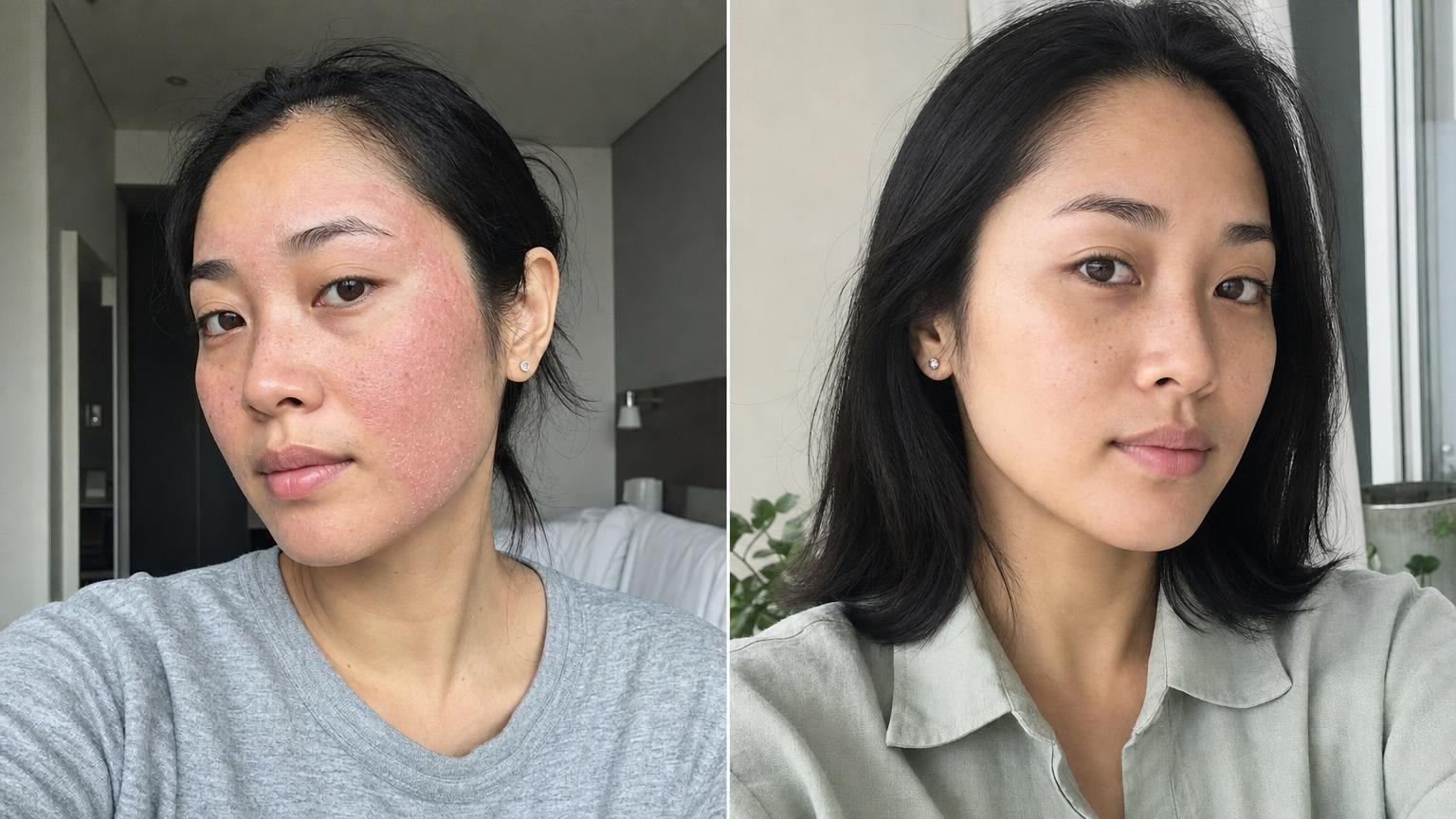
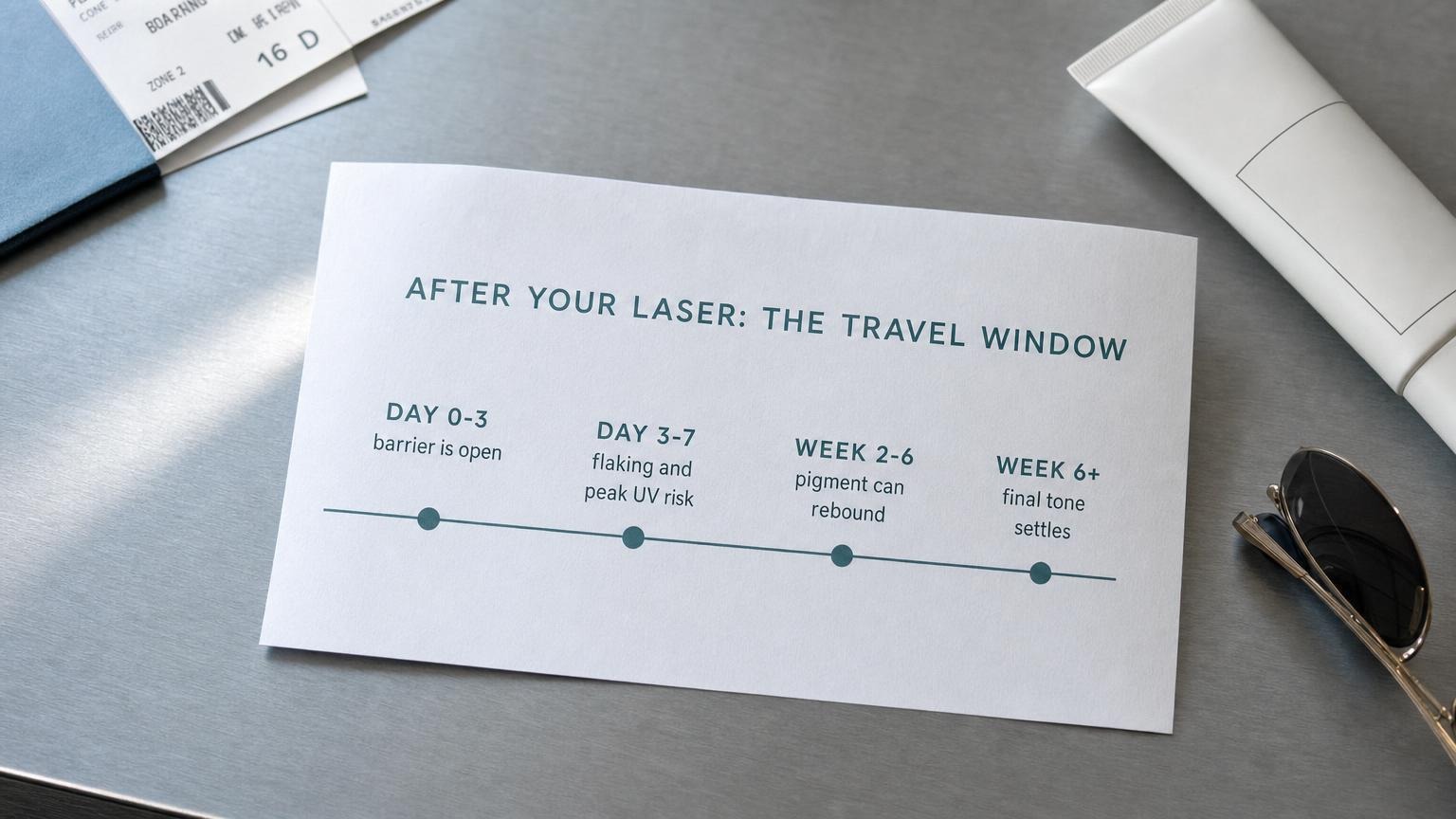
A laser result is settled over about six weeks, and foreign patients usually fly home in the middle of that window. The first 72 hours are a barrier-repair phase, the following weeks carry the real risk of pigment rebound, and the sun at your destination matters more than the sun in Seoul. Knowing what to stop, what to use, and how to get your skin reviewed remotely is what protects the result you paid for.
The Window Nobody Plans For
Most people plan the trip around the treatment date and the flight, and almost nobody plans around the healing curve. But those are different calendars. The laser is a single afternoon; the skin’s response runs for weeks, and the visible endpoint arrives long after you have unpacked. If you book the session two days before you fly, you are choosing to spend the most reactive part of that curve in an airplane cabin and then in a climate your skin has not been prepared for.
This is not an argument against having laser treatment in Korea. It is an argument for treating the aftercare plan as part of the booking rather than as a leaflet you are handed on the way out. The most useful thing you can do at consultation is say out loud when your flight is and where you are going, because both change the advice. A session that would be routine for someone staying in Seoul for three weeks may be planned differently, or scheduled differently, for someone flying to a hot, high-UV city in forty-eight hours.
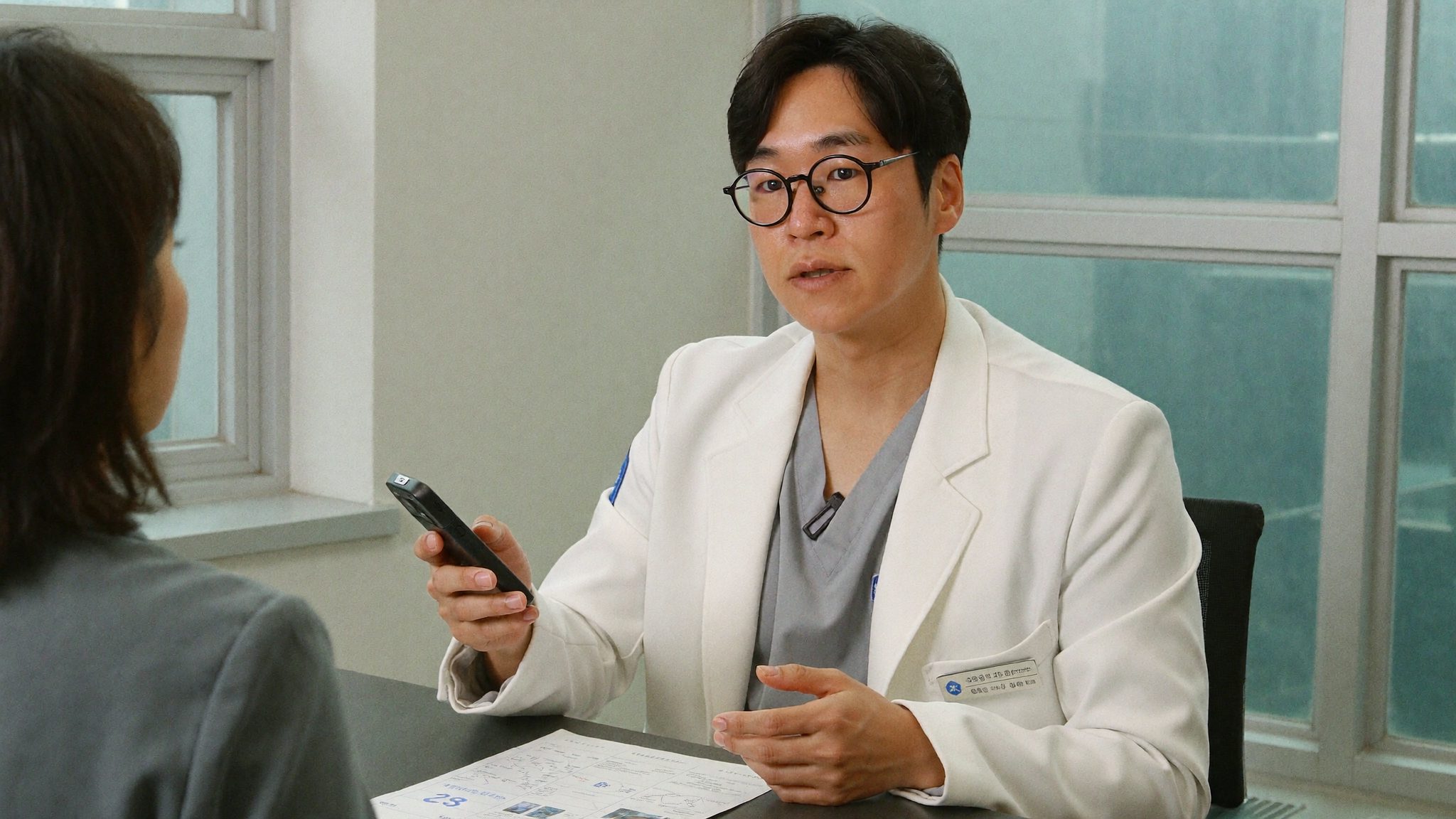
The First 72 Hours: A Barrier, Not a Blemish
Immediately after a fractional or pigment laser session, the useful way to think about your skin is not “irritated” but “open”. The treatment has deliberately created controlled micro-injury, and for roughly the first three days the barrier that normally keeps water in and irritants out is compromised. That is why the standard instructions in this phase are so unglamorous: keep it clean, keep it moist with a bland ointment or a simple barrier cream, avoid heat and sweating, and leave it alone. Touching, picking, and rubbing are what turn a clean healing phase into a complication.
Two things people underestimate here. First, sweating counts: the sauna, the hot shower, the jjimjilbang on your last day in Seoul, and the hotel gym all belong on the pause list for the first couple of days, because heat and sweat raise the risk of irritation and folliculitis in skin that cannot yet defend itself. Second, the active skincare you brought with you is now a liability, not an asset. Retinoids, glycolic and other AHAs, BHAs, scrubs, alcohol-based toners, and fragranced products all need to stop until your skin has closed and calmed. Bland is the goal for the whole first phase.
The Flight, and the Weeks After You Land
A long-haul cabin is dry, and dry is the one thing freshly lasered skin handles badly. The practical approach is unremarkable but effective: no makeup on the flight, a bland occlusive reapplied through the journey, plenty of water, and a window shade down if you are on a daytime route. None of this is dramatic, and that is the point. The flight is not a danger in itself; it is simply several hours of dehydration during a phase when your barrier cannot compensate.
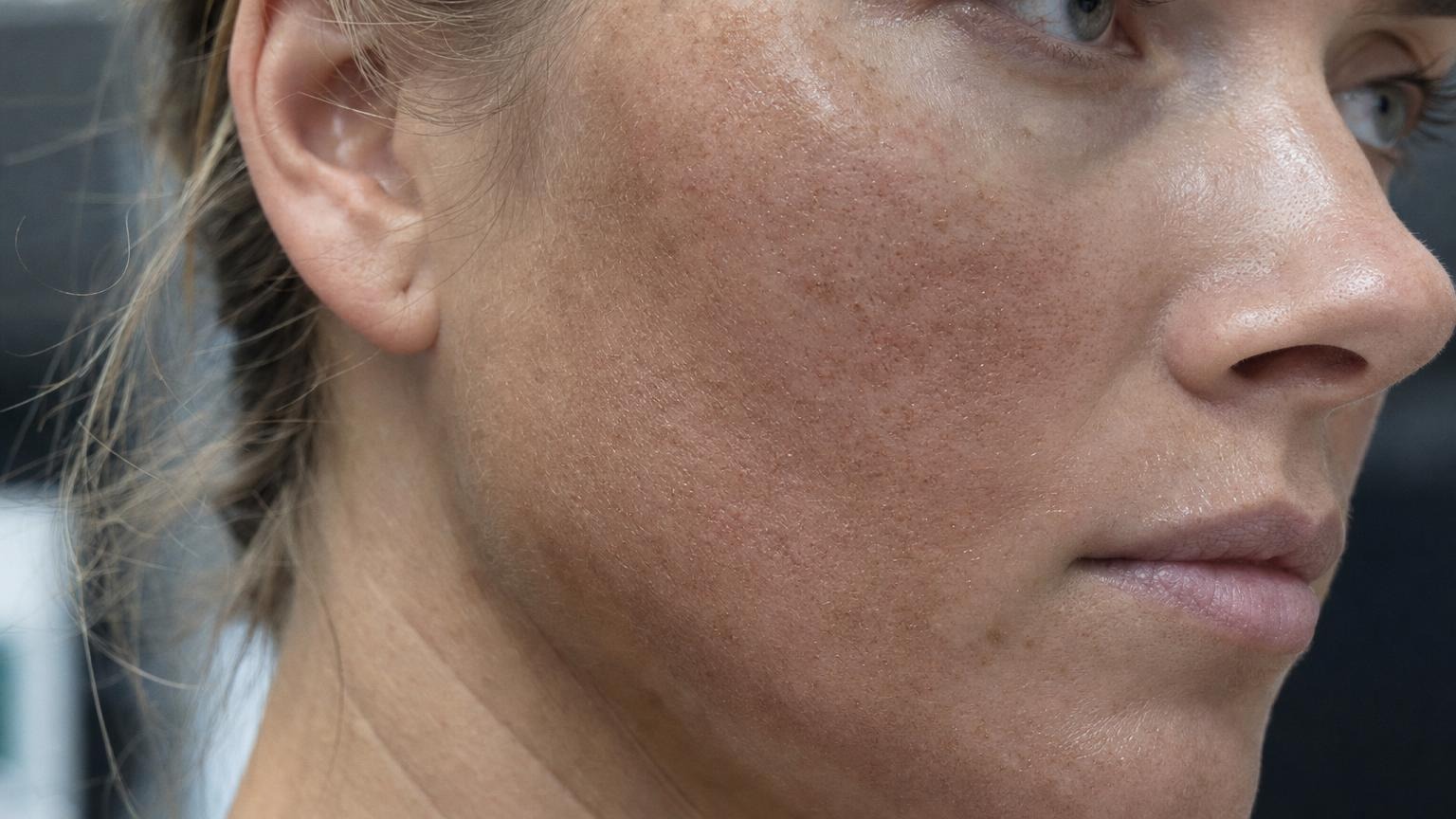
The real risk starts after you land, and it is pigment. Freshly treated skin is markedly photosensitive, and post-inflammatory hyperpigmentation, the brown rebound that can appear weeks after everything looked fine, is the single most common way a good laser result quietly turns into a disappointing one. This is why your destination matters more than Seoul did: flying from a mild Korean spring into a bright, high-UV summer is a meaningful change in exposure at exactly the wrong moment. Rigorous daily broad-spectrum sunscreen, reapplied, plus hats and shade for the first weeks, is not optional advice for travellers; it is the treatment. This is the same discipline that decides outcomes in pigmentation and melasma laser treatment, where sun exposure after the session can undo the session.
What to Stop, What to Use, and When Makeup Is Safe
The stop list is short and worth following literally: retinoids, AHAs and BHAs, physical scrubs, alcohol-based toners, fragranced products, and any new active you have been meaning to try. These go back in only when your skin has fully settled and your clinic says so, which for a resurfacing session is usually weeks rather than days. Reintroducing a retinoid too early is one of the most common self-inflicted setbacks, precisely because it feels like doing something helpful.
The use list is equally plain: a gentle non-foaming cleanser, a bland barrier cream or ointment, and sunscreen once the skin will tolerate it. On makeup, the honest answer is that it depends on the depth of your treatment and you should follow your own clinic’s instruction rather than a general rule. For a light session it may be a couple of days; for a genuine resurfacing it can be considerably longer, and the reason is not vanity but occlusion and irritation during a repair phase. If your clinic gave you a specific date, use theirs, not the internet’s. Where a clinic supports recovery further, healing-focused treatments such as Link Plastic Surgery’s exosome and skin-booster program are sometimes layered around a laser course, but that is a plan made with your clinician, not a substitute for the basics above.

Getting Follow-Up From Another Country
The last piece is the one most people skip: arranging in advance how your skin will be reviewed once you are home. Ask before you fly who you should contact, on which channel, and what they need from you. In practice that usually means a named contact, a messaging channel the clinic actually monitors, and photographs taken the way they ask, same lighting, same angle, no filter, so that a change in tone can be judged rather than guessed. Photos taken casually in different light are close to useless for this purpose.
Equally important is knowing what warrants a message rather than a wait. Redness that is settling, dryness, and flaking on schedule are ordinary. Something that is getting worse rather than better, spreading, unusually painful, or a brown discolouration appearing weeks later is worth reporting early, because the earlier a pigment rebound is addressed the more straightforward it usually is. A clinic that treats international patients regularly will have an answer ready when you ask how this works, and the willingness to answer is itself a reasonable signal about how they handle aftercare in general, as we discuss in our guide to verifying a clinic before you book.
Before you book a laser session around a flight, five questions decide how the result holds. Have I told the clinic my flight date and my destination climate, so the plan accounts for both? Do I have a bland, boring aftercare kit rather than my usual actives? Am I prepared to be rigorous about sun protection for weeks, not days, after I land? Do I know the specific date my clinic clears makeup and actives, rather than a general rule from an article? And do I know exactly who to contact, on what channel, with what kind of photographs, once I am home? If those five are settled before the session, the travel window stops being the weak link. For a laser plan built around your trip rather than despite it, visit Link Plastic Surgery’s laser and energy treatments.
Frequently Asked Questions
1. How long should I stay in Korea after a laser treatment?
There is no single number, because it depends on the depth of the session. The useful principle is that the first roughly three days are the barrier-repair phase, so staying long enough to get through that near your clinic, and to have any early concern looked at in person, is worth more than any specific figure. Tell your clinic your flight date at consultation; a session that is routine for a three-week stay may be planned or scheduled differently for someone flying out in forty-eight hours.
2. Can I fly right after a laser treatment?
Flying itself is not the hazard; cabin dryness during a phase when your barrier is compromised is. If you must fly soon after, skip makeup on the flight, reapply a bland occlusive through the journey, keep hydrated, and keep the window shade down on daytime routes. The greater risk begins after you land, when sun exposure at your destination becomes the deciding factor.
3. What is PIH, and why do travellers get it?
Post-inflammatory hyperpigmentation is a brown rebound that can appear weeks after a laser session, once everything has apparently healed. Freshly treated skin is markedly photosensitive, so it is driven strongly by sun exposure during the recovery weeks. Travellers are exposed to it more because they often fly from one climate into a brighter, higher-UV one at exactly the point when protection matters most, and because they are no longer being reviewed by the clinic.
4. What skincare should I stop after a laser session?
Stop retinoids, glycolic and other AHAs, BHAs, physical scrubs, alcohol-based toners, fragranced products, and any new active you were planning to introduce. These all irritate skin whose barrier is still repairing. Reintroduce them only when your skin has fully settled and your clinic clears it, which for a resurfacing session is usually weeks rather than days. Restarting a retinoid early is one of the most common self-inflicted setbacks.
5. What should I use instead?
Keep it deliberately boring: a gentle non-foaming cleanser, a bland barrier cream or ointment to keep the skin moist, and broad-spectrum sunscreen once your skin tolerates it. The goal in the early phase is protection and moisture, not improvement. Anything marketed as brightening, resurfacing, or anti-aging can wait until your clinic says the barrier has recovered.
6. When can I wear makeup again?
Follow your clinic’s specific instruction rather than a general rule, because it depends on how deep your treatment was. A light session may be a couple of days; a genuine resurfacing can be considerably longer. The reason is occlusion and irritation during a repair phase, not appearance. If you were given a date at discharge, that date beats anything you read online, including this article.
7. How strict do I have to be with sunscreen?
Very, and for weeks rather than days. Daily broad-spectrum sunscreen, genuinely reapplied through the day, plus hats and shade, is the single most effective thing you can do to protect a laser result after you land. This is not general skincare advice in this context; because treated skin is photosensitive and prone to pigment rebound, sun protection is effectively part of the treatment itself.
8. Can I exercise, swim, or use a sauna after laser?
Not in the early phase. Heat and sweating raise the risk of irritation and folliculitis while the barrier is still open, so exercise, saunas, hot showers, and swimming all belong on the pause list at the start of recovery. Your clinic will tell you when to resume based on your specific session; if you are still visibly flaking or pink, it is generally too early.
9. How do I get follow-up once I am home?
Arrange it before you fly. Ask who your named contact is, which channel they actually monitor, and how they want your photographs taken, typically same lighting, same angle, no filter, so a change in tone can be judged rather than guessed. Report anything that is worsening, spreading, unusually painful, or any brown discolouration appearing weeks later. Ordinary settling redness, dryness, and on-schedule flaking do not need an urgent message.
10. How long until I see the final result?
Plan on roughly six weeks before the tone genuinely settles, and understand that the weeks in between can look uneven rather than steadily better. That interim phase is normal and is not a reason to start adding actives or booking a corrective treatment somewhere else. Judge the result once your skin has finished settling, and keep the sun discipline until then. For a laser plan built around your trip, visit Link Plastic Surgery’s official website.
General post-laser aftercare guidance in this article is drawn from published dermatology and aesthetic-clinic aftercare sources, 2026, and is educational only. Recovery timelines vary considerably with the depth of treatment, the device used, and individual skin. Always follow the specific instructions given by the clinic that treated you.