Korean Rosacea & Facial Redness Treatment: Why the Cause Decides the Tool
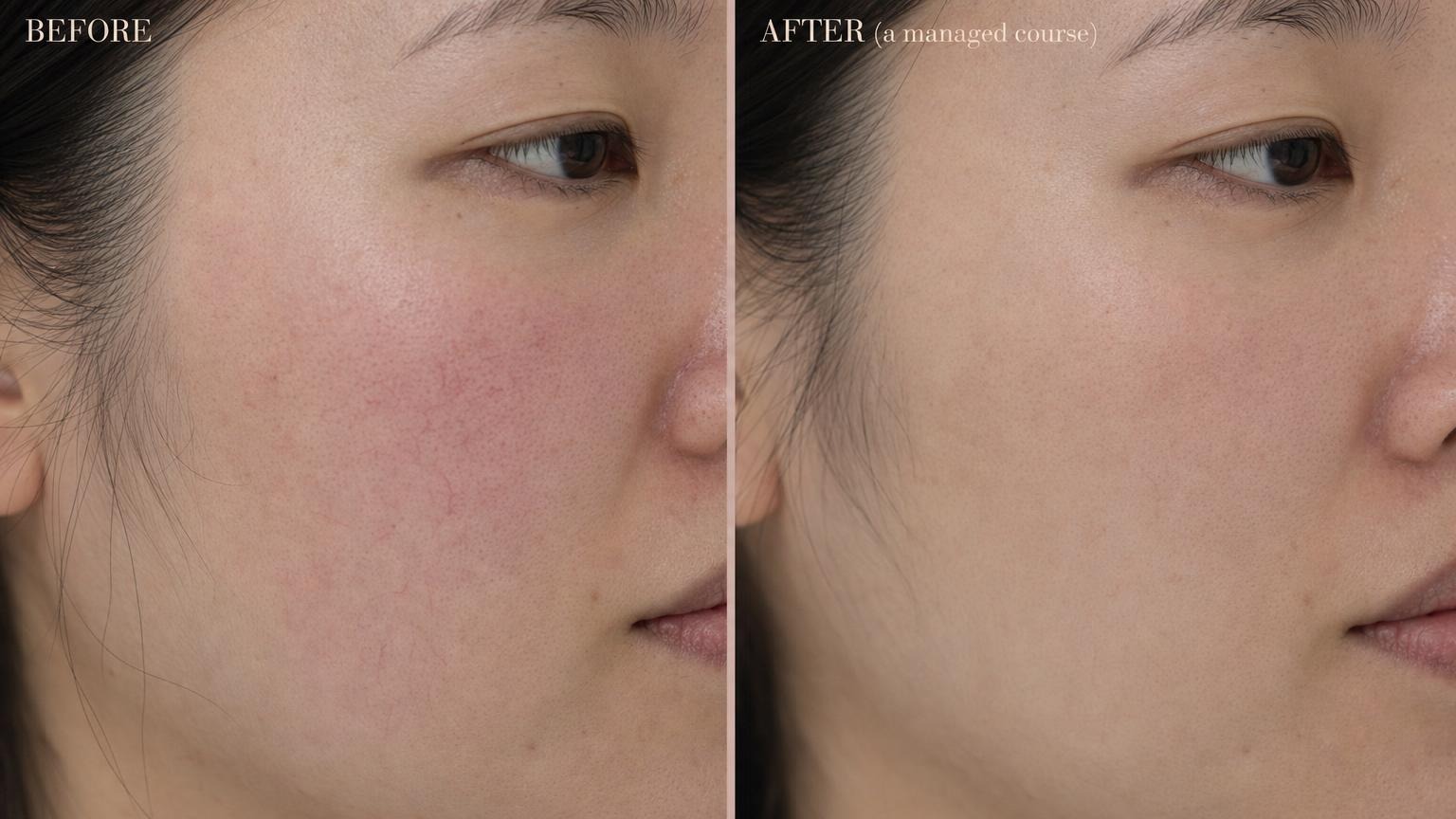
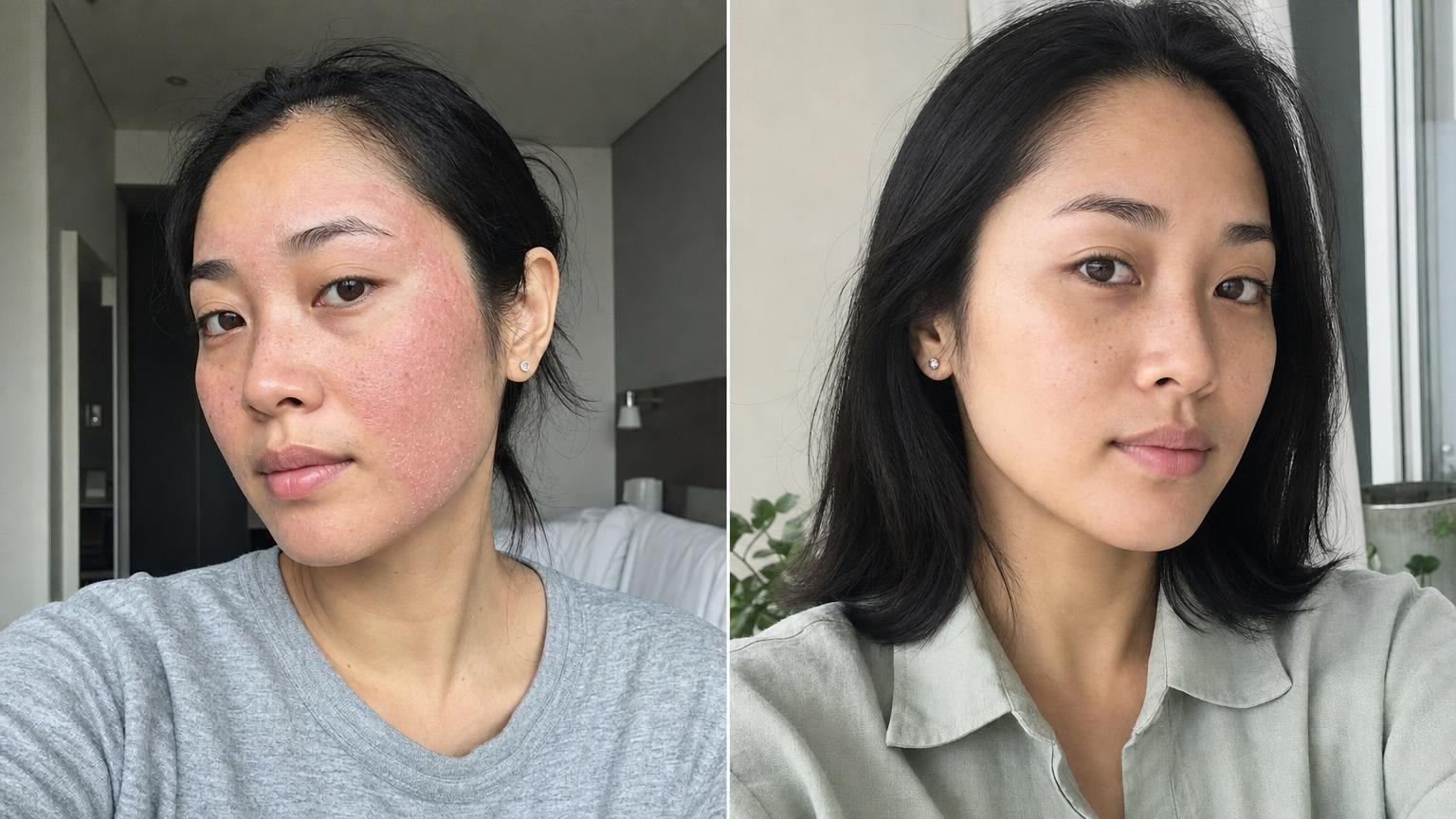
Facial redness is not just sensitive skin. Vessels, flushing, inflammation, and barrier damage each need a different tool, plus trigger control.
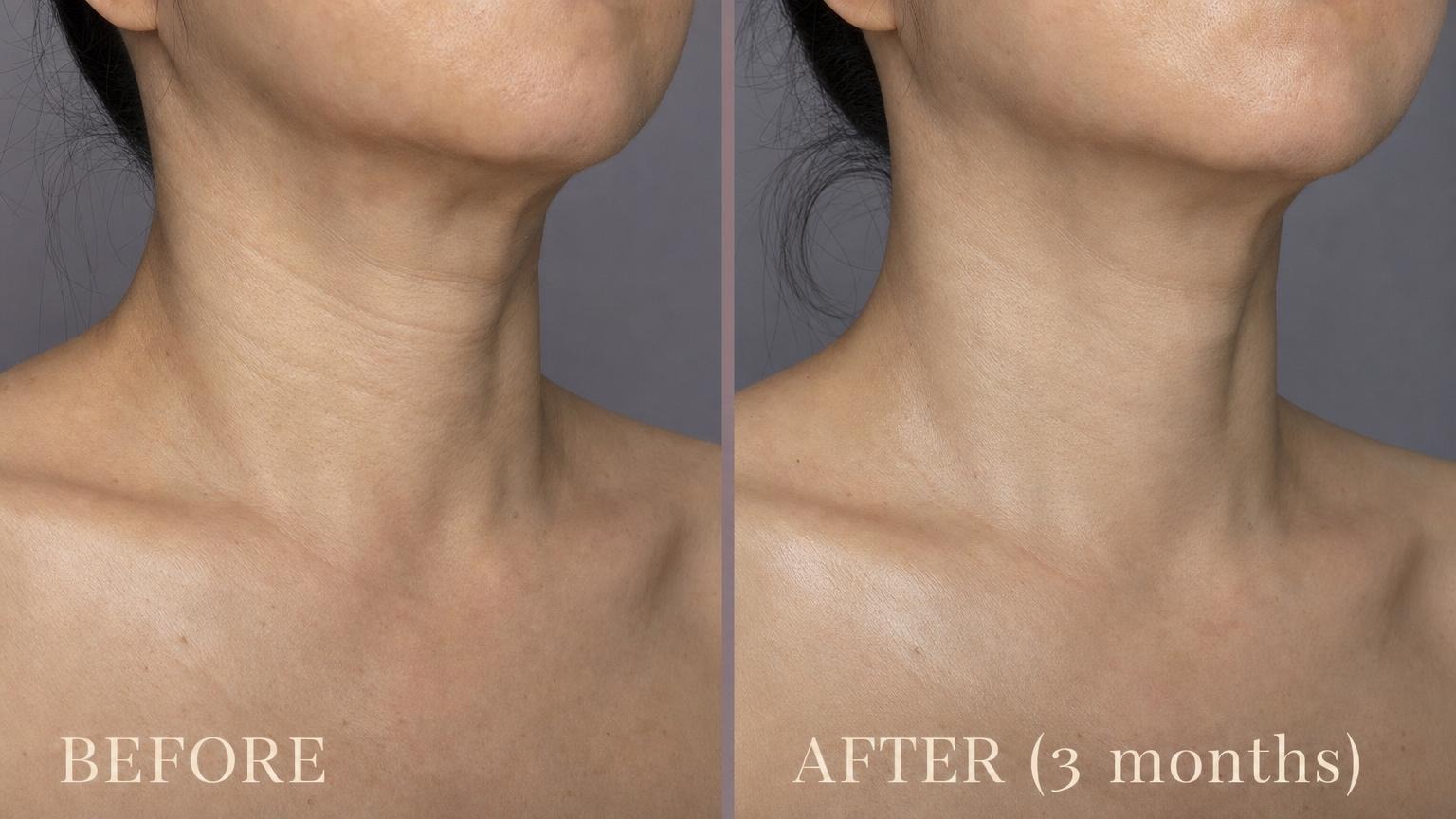
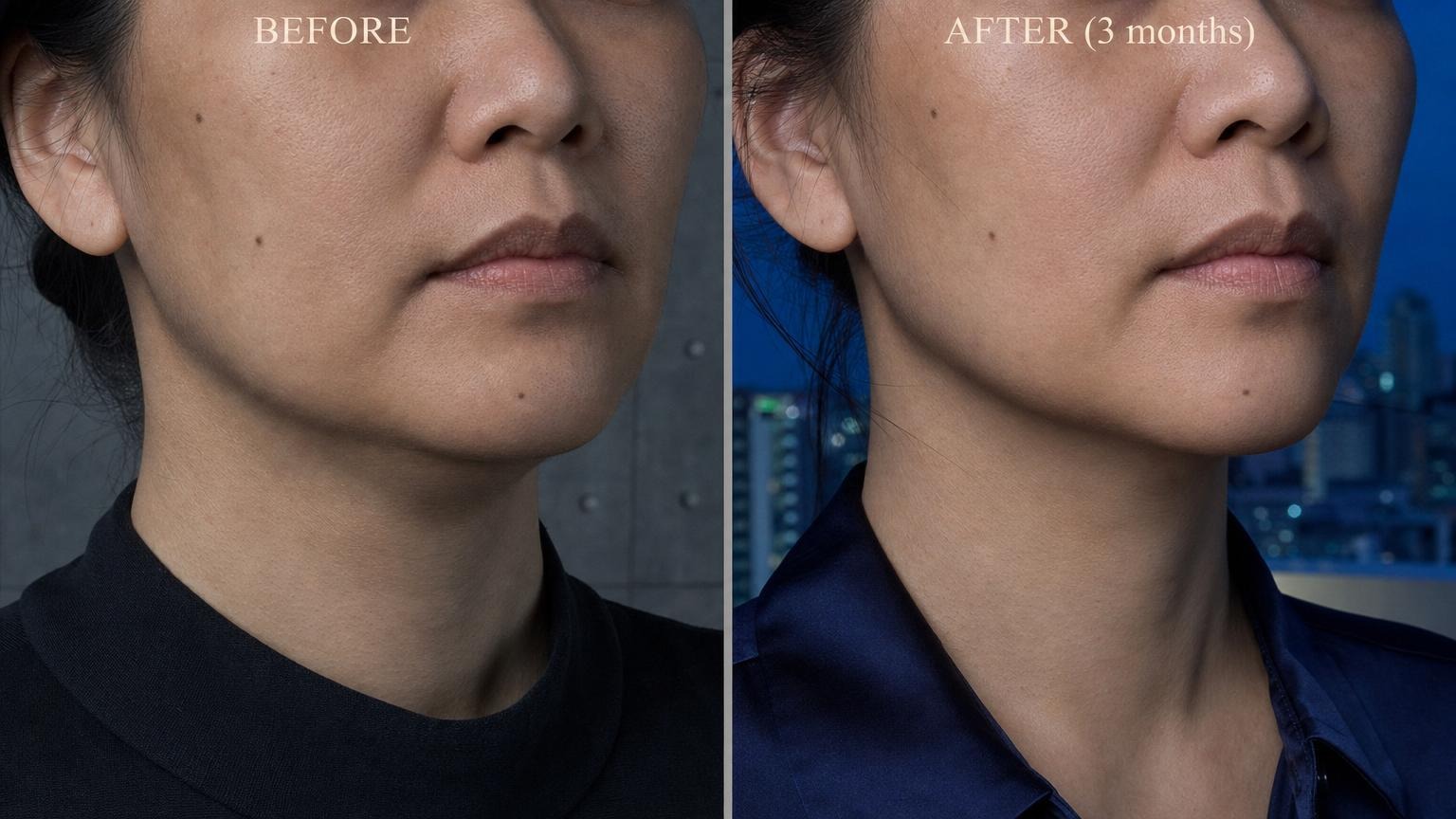
A youthful face above an aged neck is a giveaway. Neck lines, laxity, sagging, and chest pigment each need their own tool, treated alongside the face.
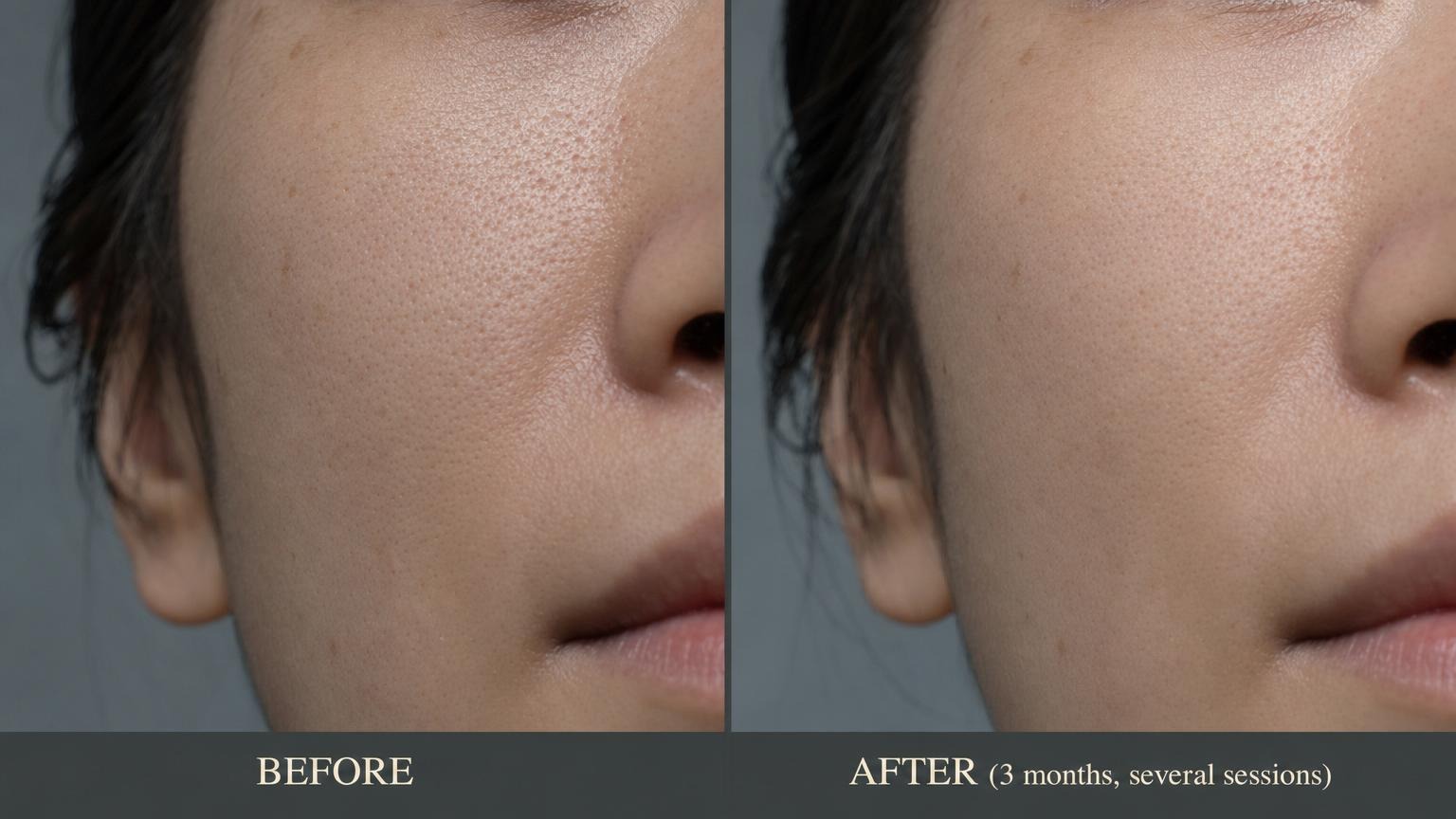
Pores can’t be erased, only refined. Three causes, oil, laxity, scarring, each need a different tool, and glass-skin promises are a red flag.
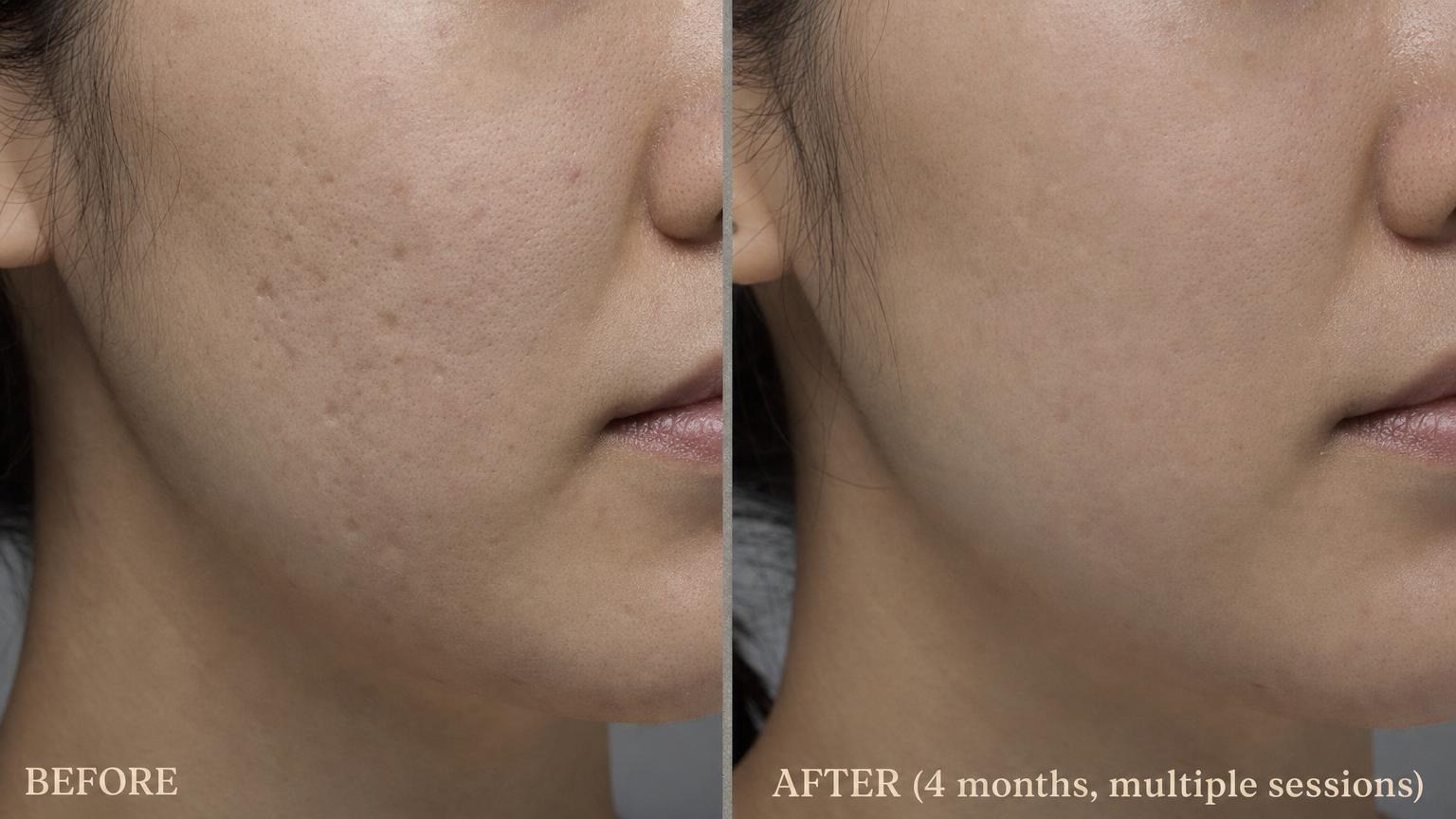
One laser repeated rarely fixes acne scars. Why scar type, ice-pick, boxcar, rolling, or pigment, decides the tool, and why rolling scars need subcision first.
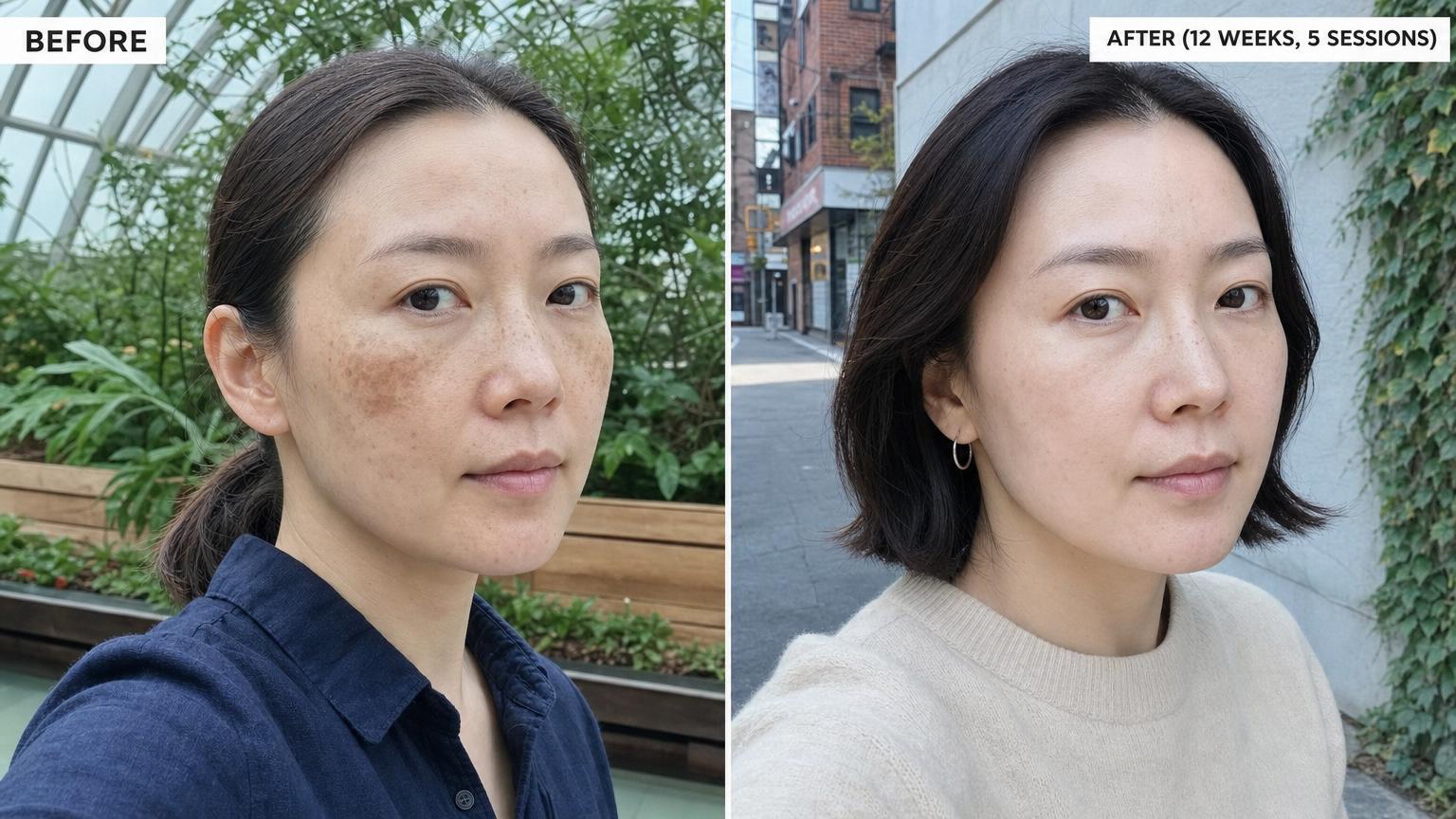
Pigmentation is not one problem. Melasma, freckles, and deeper spots need different lasers. Why aggressive laser makes melasma worse, and how to match treatment.
HIFU, thread lift, and surgery are not competing jawline treatments. They are an escalation ladder matched to your skin laxity stage. Why repeating HIFU on loose skin is the most expensive mistake.
Korean Pico is not the only answer for pigment. Accento dual-wavelength (755+1064nm) covers melasma, 잡티, vascular, tattoo, and hair removal in one Q-switched device. The case for layered pigment treatment that single-wavelength Pico cannot match.
Korean Volnewmer is monopolar RF that heats dermal collagen at 2-3mm depth over a 60-90 minute hand-mapped Korean operator protocol, with peak visible result at month 3 from a single session. Foreign patients who book expecting Thermage same-day tightening or Ultherapy SMAS structural change are working from the wrong mental model. This guide explains what Volnewmer actually is, why Korean clinics deliver it differently, the 12-week false plateau that triggers premature panic, and the five-question clinic verification checklist.
Most foreign patients searching Korean mole removal imagine a single procedure. Walk in, zap, walk out. In Seoul dermatology rooms, the first question is not which device, but which lesion. The same dark spot can be a seborrheic keratosis, an intradermal nevus, a syringoma, a milium, or a verruca, and each one needs a different method. CO2 fractional, CO2 spot, Er:YAG, Pico Q-switched, or surgical excision the real Korean signature is matching the method to the lesion. Wrong method means scarring, recurrence, hyperpigmentation. This guide walks foreign patients through the 5-lesion classification, the method-matching framework, the 8-week recovery timeline, the cost reality versus the West, and the consult-room signs that separate a thoughtful Korean derm from a one-tool clinic.
Foreign patients fly to Seoul for Fraxel Dual at roughly one quarter of Western pricing, and a meaningful share of them end up with non-Solta fractional lasers sold under the Fraxel brand name. The five-step foreign patient verification checklist — Solta authorization, dual-wavelength console (1550nm + 1927nm), device serial registration, density/energy parameter specificity, and post-Fraxel exosome aftercare protocol — separates the real Solta platform from substitution devices. The series itself rewards patience: 3 to 5 sessions over 12 to 30 weeks produces the 40 to 60 percent improvement the device was designed to deliver.