Korean Mole and Spot Removal: Why Seoul Diagnoses Before It Zaps
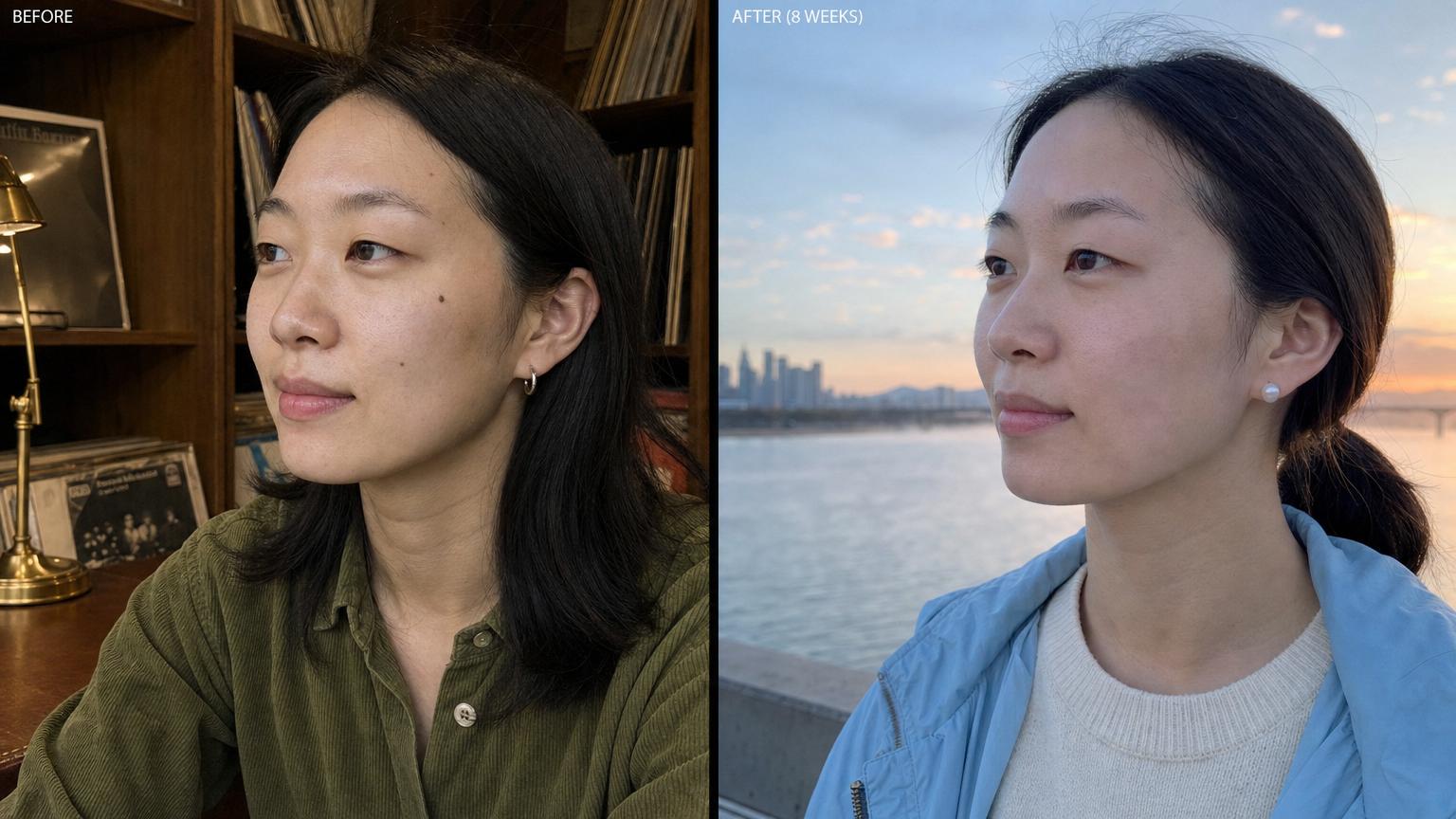
Most foreign patients searching Korean mole removal imagine a single procedure. Walk in, zap, walk out. In Seoul dermatology rooms, the first question is not which device, but which lesion. The same dark spot can be a seborrheic keratosis, an intradermal nevus, a syringoma, a milium, or a verruca, and each one needs a different method. CO2 fractional, CO2 spot, Er:YAG, Pico Q-switched, or surgical excision the real Korean signature is matching the method to the lesion. Wrong method means scarring, recurrence, hyperpigmentation. This guide walks foreign patients through the 5-lesion classification, the method-matching framework, the 8-week recovery timeline, the cost reality versus the West, and the consult-room signs that separate a thoughtful Korean derm from a one-tool clinic.