Recovering in Korea as a Foreign Patient: The Logistics No One Plans For (But Should)
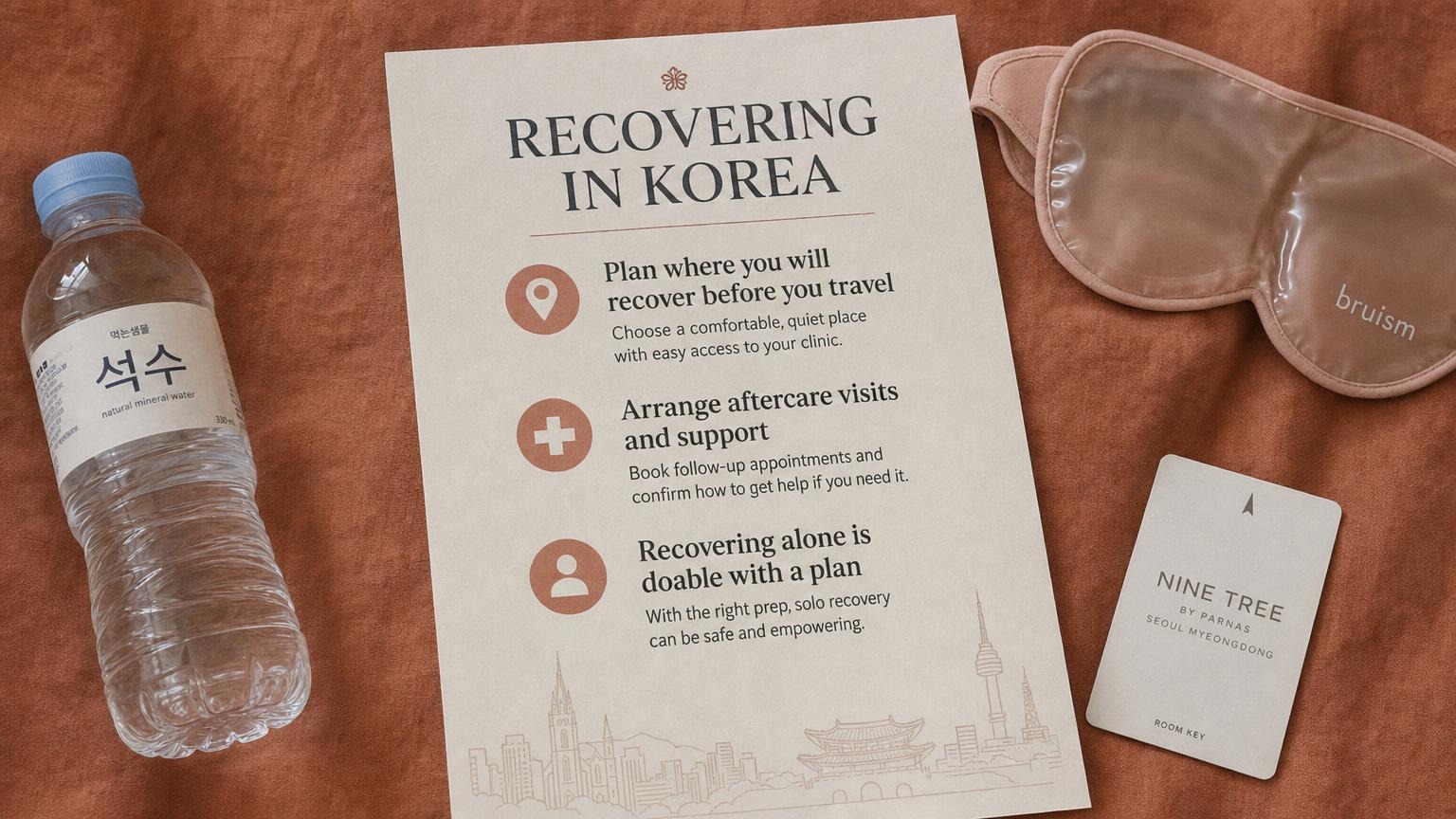
Recovering in Korea, often alone, is doable with a plan. Where to stay, arranging aftercare, managing solo recovery, and knowing when it’s safe to fly home.
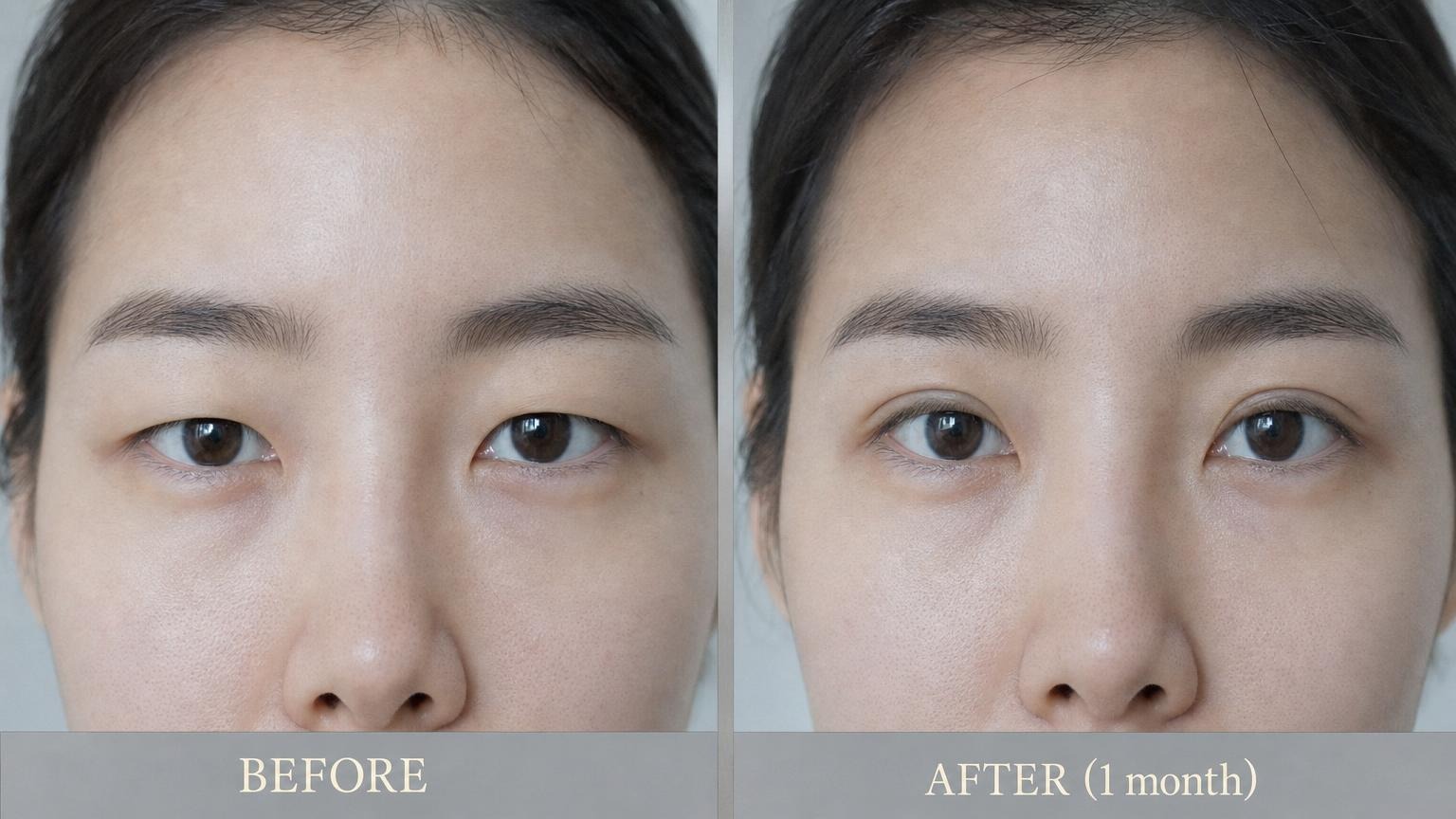
Korea’s 2026 natural adhesion double eyelid: a non-incision technique for a crease that looks natural even with eyes closed, more stable than older methods.
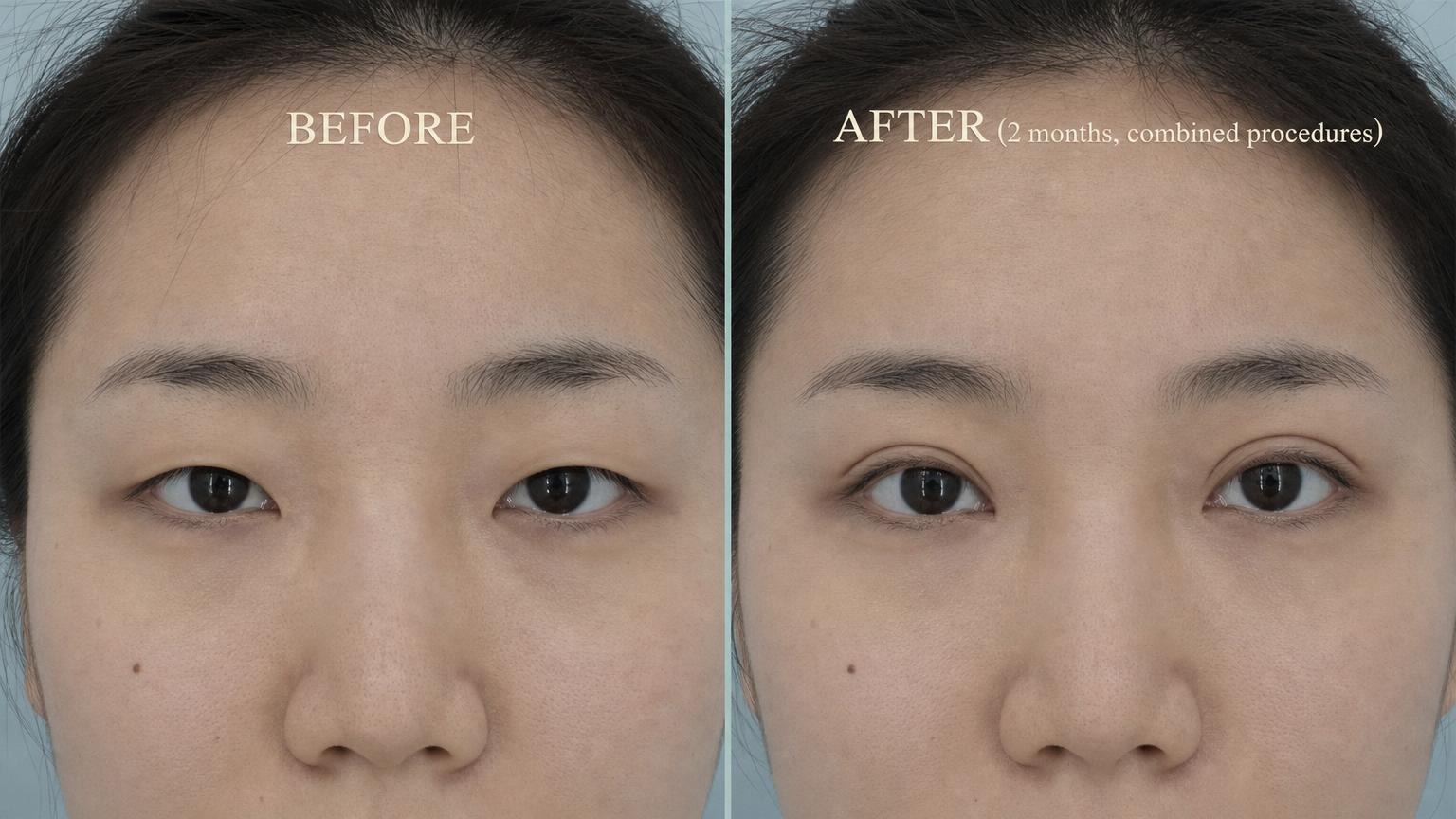
A double-eyelid crease alone often disappoints. Many eyes need a combination, crease + inner corner + ptosis correction. Which procedures pair and why.
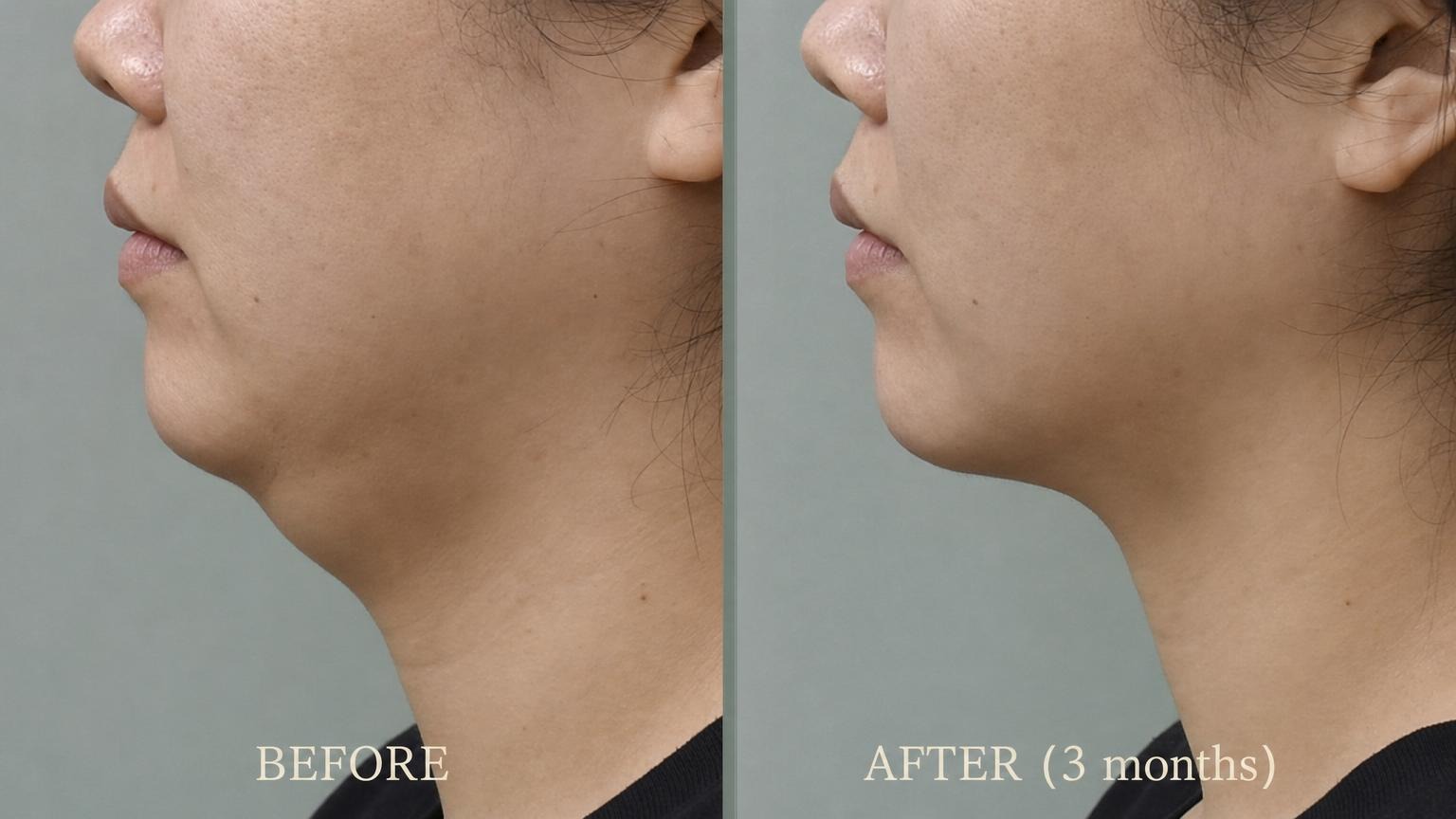
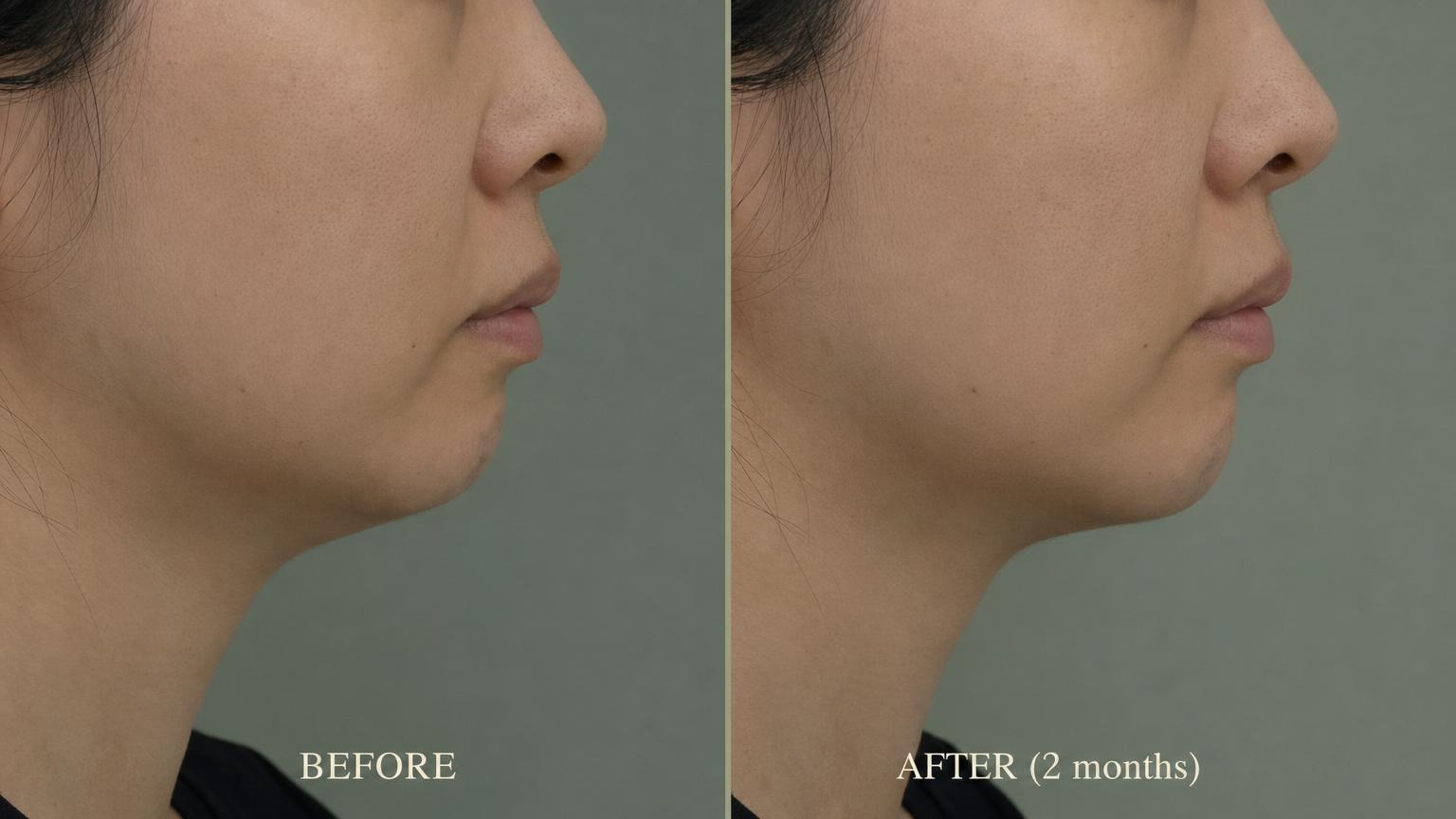
A double chin isn’t always fat. It can be sagging, a weak chin, or muscle. Why fat removal alone disappoints and chin projection is often the key.
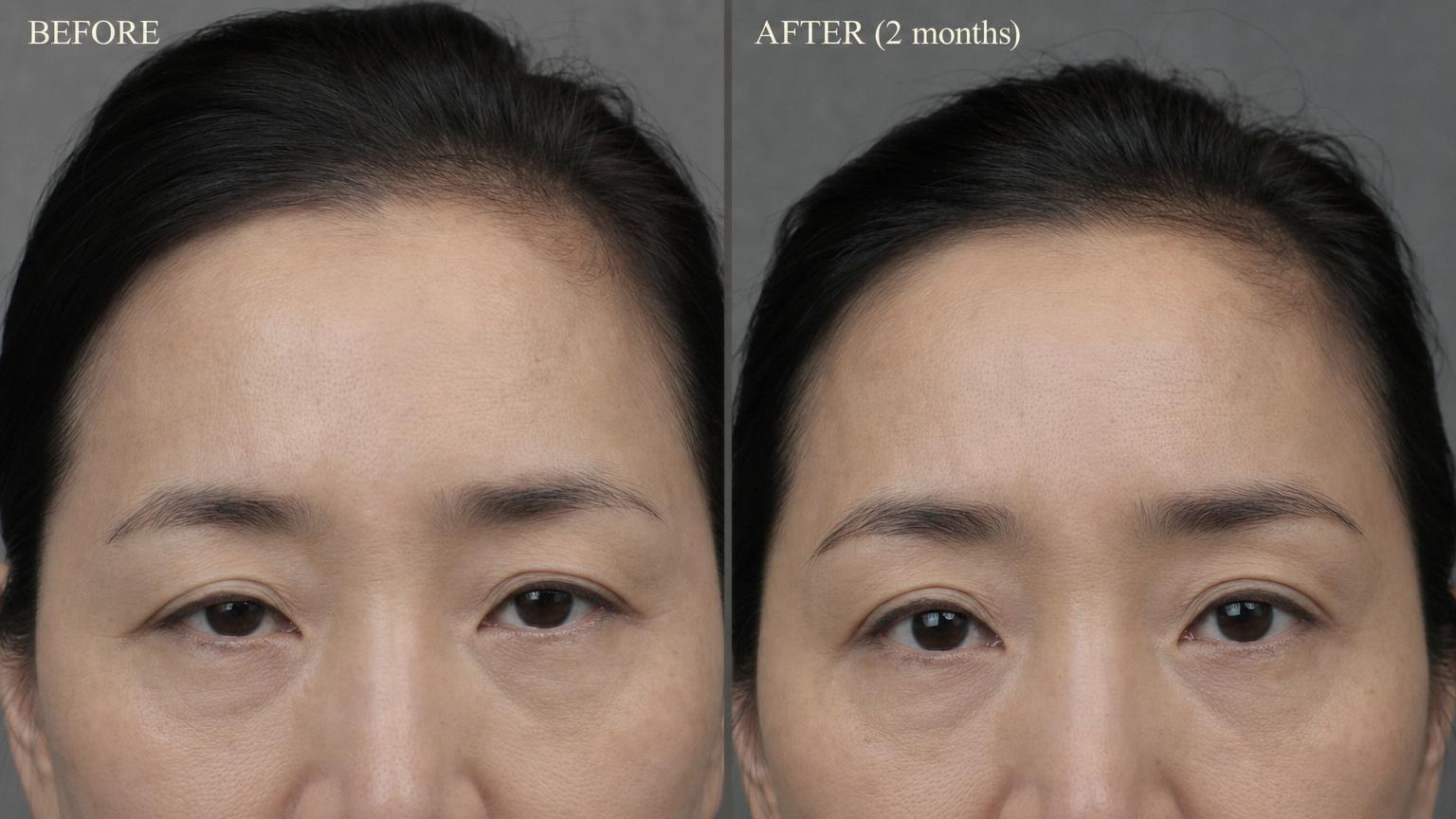
Heavy, tired eyes are frequently a dropped brow, not loose eyelid skin. Why botox can’t fix it and how the degree of descent decides the lift.
A weak chin makes your nose look big. Most chin concerns are profile balance, fixable without bone surgery, with filler, fat, or an implant.
The fear of looking westernized after Korean eye surgery is valid, but only for overdone surgery. How the natural approach preserves your eye character.
The tired look people chase in their cheeks often comes from hollow temples. Why the upper face matters, filler vs fat grafting, and keeping it subtle.
Liposuction, fat-dissolving injections, and cryolipolysis are not interchangeable. Only one physically removes fat. Which method fits which goal, and why none is a weight-loss method.
Korean surgeons run two operations for tired eyes: lower eyelid fat removal vs repositioning. Pick wrong and you hollow out by year 2. The decision tree explained.