For years she had chased glow with filler and hydrating shots, plumping and moisturizing the surface, yet her skin still looked tired and thin underneath. At a Seoul consultation she heard a different philosophy that reflects where Korean skin treatment has moved in 2026: instead of adding volume or water to the surface, the goal is to stimulate the skin to repair and rebuild itself from within. Her dull, thinning skin did not need more filling; it needed regeneration. This shift, from volume to regeneration, is the defining trend of Korean dermatology in 2026, and it reframed what she had been doing wrong. The consultation at Link Plastic Surgery can match the right regenerative approach to your skin.
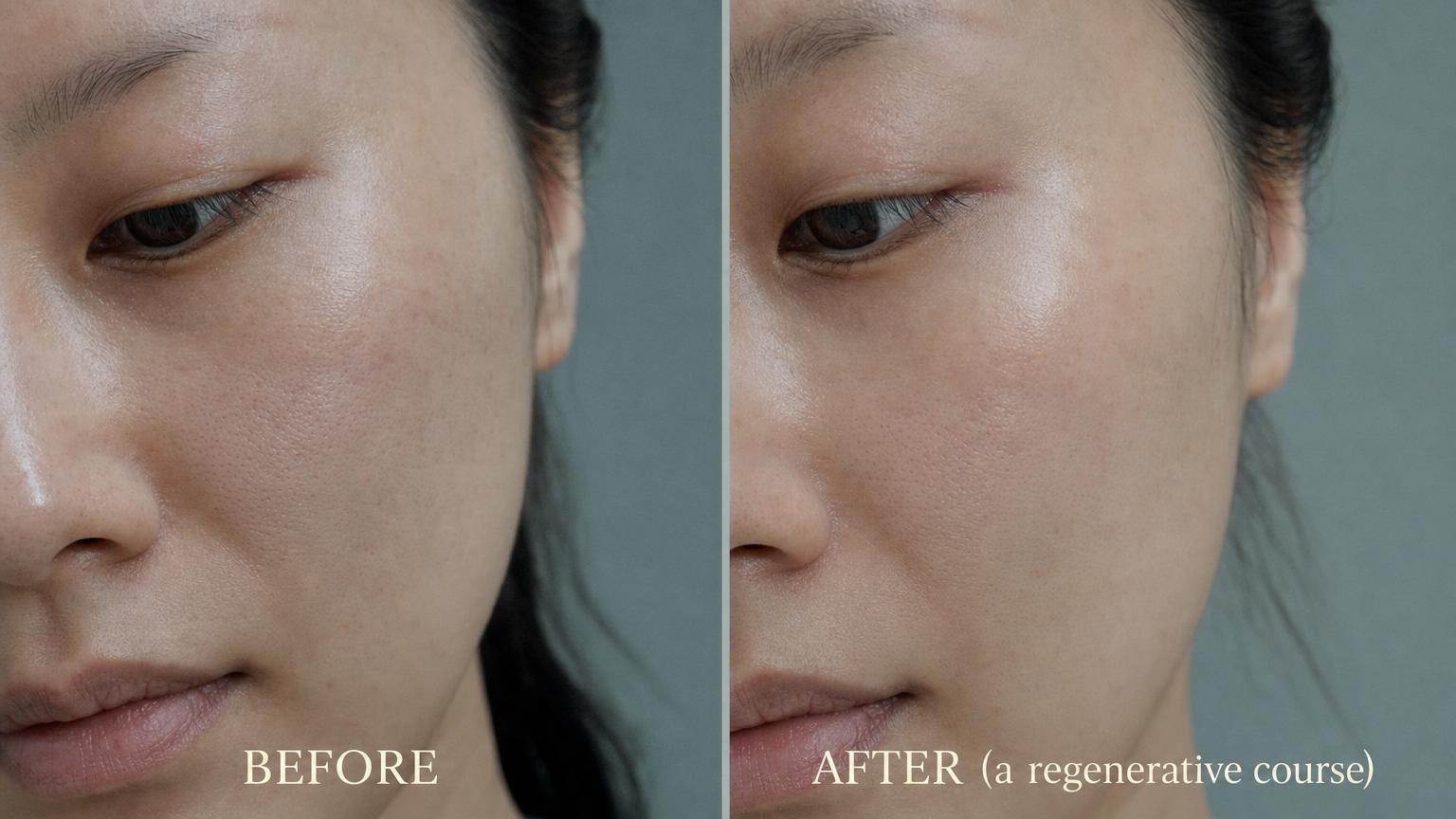
Korean skin treatment in 2026 has entered what the aesthetic field calls the era of regenerative dermatology, a definitive shift away from simply adding volume and surface hydration toward stimulating the skin’s own repair. Polynucleotide-based boosters and exosomes sit at the center of this movement. Understanding the shift from volume to regeneration, the treatments leading it, who benefits, and what to realistically expect is what helps you choose treatment that genuinely improves your skin’s quality rather than just plumping its surface.
A Shift: Volume to Regeneration
The defining change in 2026 is a shift in philosophy from filling to regenerating. The old approach was to fill and hydrate the surface, adding volume or water to make skin look temporarily plumper. The new approach is to stimulate the skin to repair and rebuild itself, improving its underlying quality rather than its surface fullness. This means skin boosters that regenerate, not just plump, and treating skin quality from within rather than masking concerns on top.
So regenerative dermatology is the 2026 shift from simply adding volume to stimulating the skin’s own repair. This is a meaningful change because it targets the cause of dull, thinning, tired skin, the deterioration of the skin’s structure, rather than temporarily disguising it. The treatments leading this shift are the regenerative skin boosters covered across our Korean skin booster guides, and they connect to the broader range of Korean petit treatments.

The Regenerative Injectables
Several treatments lead the regenerative shift, and they work differently but toward the same goal of rebuilding skin quality. Polynucleotide, best known as Rejuran, is a salmon-DNA platform that rebuilds the skin barrier and texture from within. Exosome is a cell-signaling accelerator, usually layered with microneedling or laser to speed regeneration. And collagen stimulators like PDLLA combined with HA, as in Juvelook, build collagen with subtle volume support. Crucially, these are often layered, not chosen against each other.
The pattern is that polynucleotide, exosome, and collagen stimulators lead the regenerative shift, and they are frequently combined for a comprehensive effect. A regenerative plan might pair polynucleotide for barrier and texture with exosome to accelerate healing, rather than picking one. This layering, matching different regenerative tools to different aspects of skin quality, is what defines the 2026 approach, and it is why understanding how these treatments differ, as our comparison guides explain, helps you build the right plan rather than choosing a single trending name.

Who Benefits
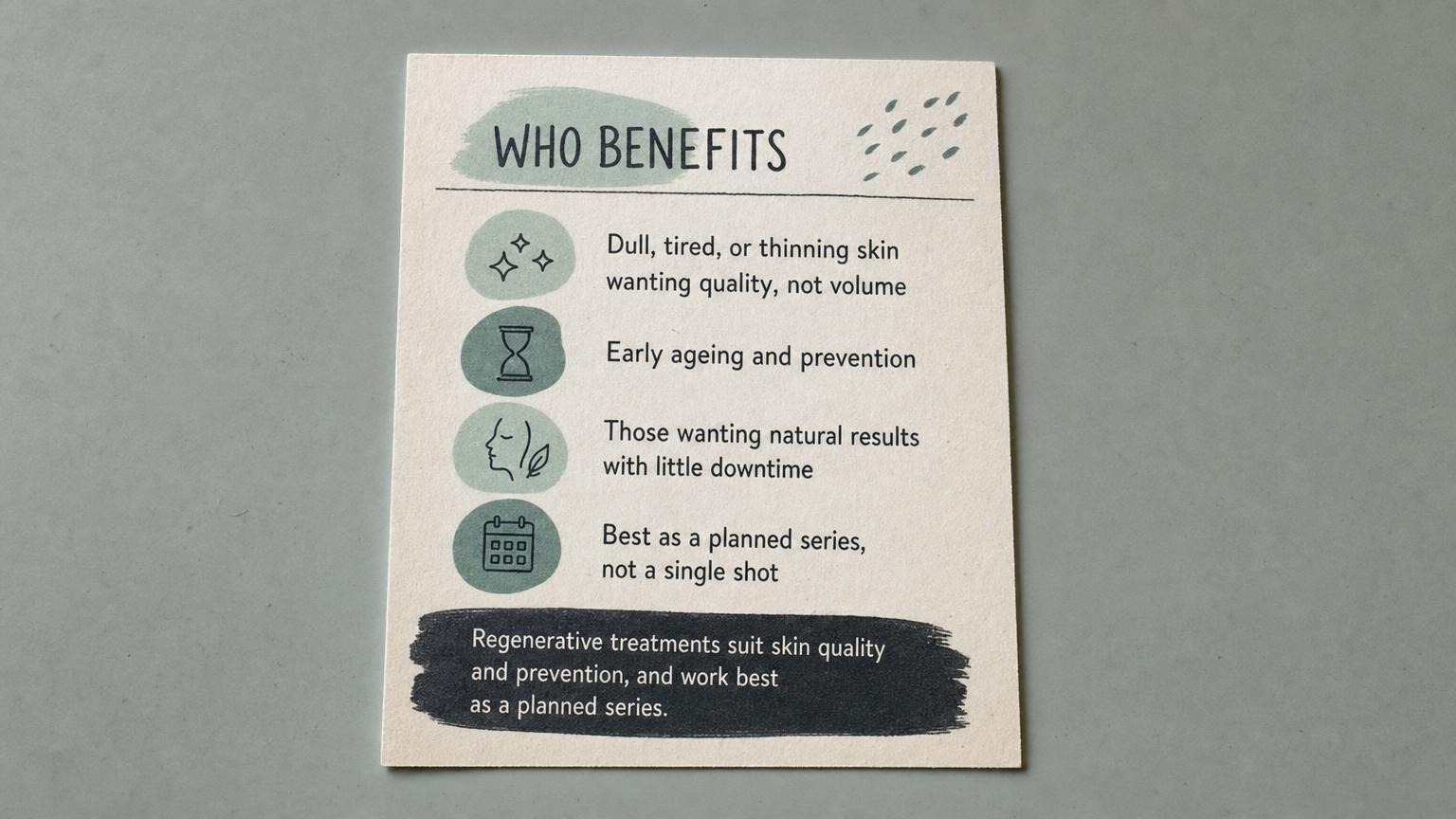
Regenerative dermatology suits particular goals and stages especially well. It benefits dull, tired, or thinning skin that wants improved quality rather than added volume, since these treatments rebuild rather than fill. It suits early ageing and prevention, working to maintain and strengthen skin before significant decline. It is ideal for those wanting natural results with little downtime, since these are injectable treatments rather than surgery. And it works best as a planned series rather than a single shot, because regeneration builds over time.
So regenerative treatments suit skin quality and prevention, and work best as a planned series. They are not primarily for volume loss, which is better addressed by volumizing treatments, or for structural concerns, which need different approaches. The regenerative shift is specifically about improving the skin’s own quality and resilience, which makes it ideal for skin that looks tired, dull, or is starting to thin, and for maintaining healthy skin over time. Matching the regenerative approach to a skin-quality goal, rather than a volume or structural one, is what makes it effective.
Realistic Expectations
Honest expectations matter, because regenerative treatment is powerful but gradual. It delivers gradual, natural improvement in skin quality over a series of sessions, not an overnight or single-session transformation. It is a maintenance approach rather than a permanent fix, since skin continues to age and the regenerative stimulus is renewed over time. And it should be matched to your skin with a real plan, rather than applied as a one-size trend.
The honest framing is that regenerative dermatology delivers gradual, natural skin-quality improvement over a series, not an instant miracle. The buzz around exosomes and polynucleotides in 2026 can create expectations of dramatic, immediate results, but the genuine benefit is steady, natural improvement in how the skin looks and feels, maintained over time. A clinic that frames it as a gradual, planned, maintained approach, matched to your skin, is being honest, whereas one promising an overnight transformation from a trending treatment is overselling.

Cost and How to Plan It
Regenerative treatment is priced per session, and because it works as a series plus maintenance, the realistic cost is the planned course rather than a single shot, often combining a few treatments. Layered plans cost more than a single treatment but address skin quality more comprehensively. These costs are generally below the equivalent abroad, part of why skin treatments now lead Korea’s medical tourism. Planning a proper regenerative series matched to your skin is more effective than chasing a single trending injectable.
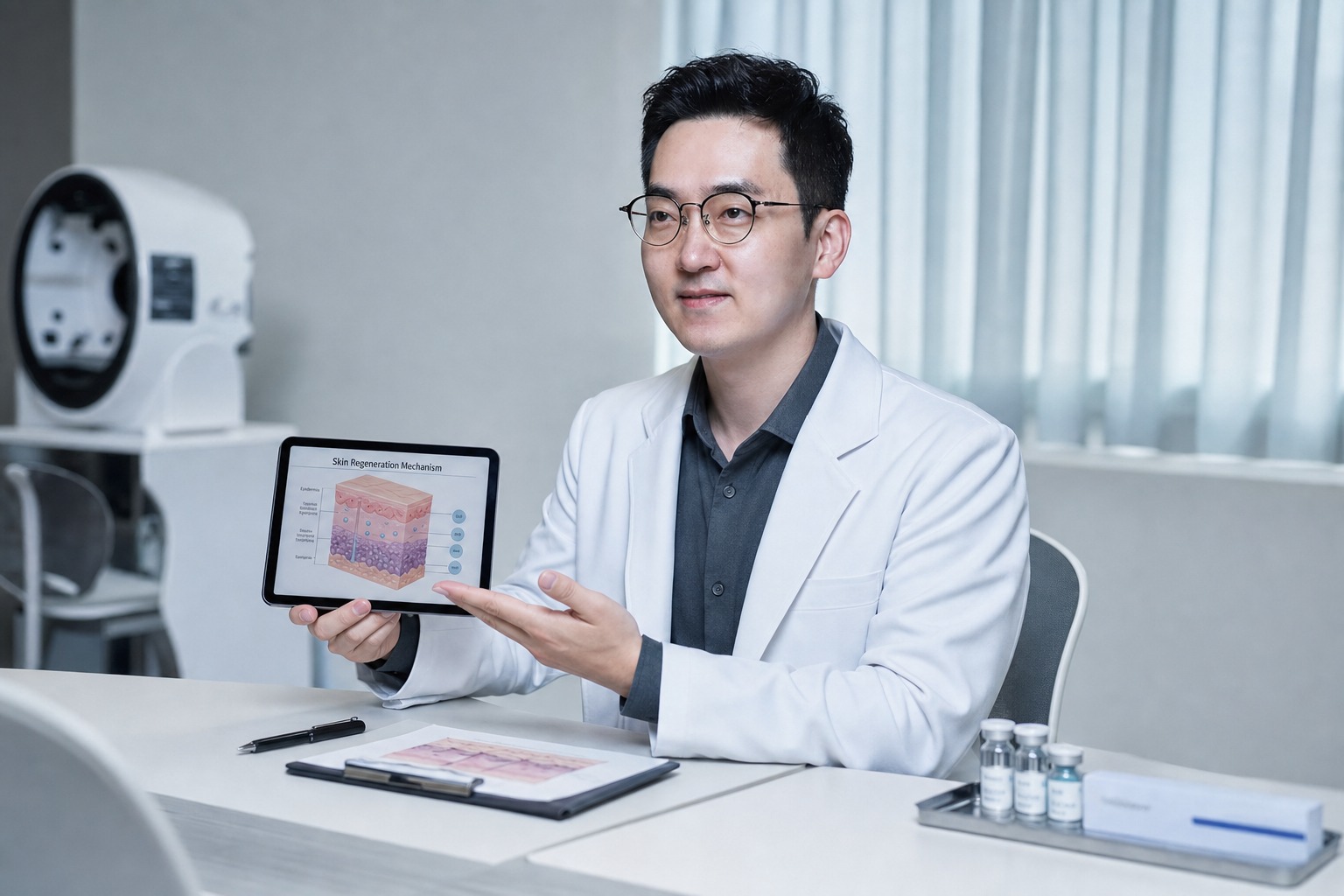
Before committing, five questions help you plan regenerative treatment well. Is my goal skin quality and regeneration rather than volume, which these treatments address best? Which regenerative treatments, polynucleotide, exosome, or collagen stimulators, suit my skin, and should they be layered? Is the plan a realistic series with maintenance rather than a one-shot promise? Are the expectations gradual and natural rather than an overnight transformation? And is the plan matched to my skin rather than a trend? A clinic that matches regenerative treatments to your skin quality and sets realistic, gradual expectations is the one to trust. For trip-planning details, visit Link Plastic Surgery’s official website.
Frequently Asked Questions
1. What is regenerative dermatology?
Regenerative dermatology is the 2026 shift in skin treatment from simply adding volume or surface hydration to stimulating the skin to repair and rebuild itself from within. Instead of filling or plumping, regenerative treatments improve the skin’s underlying quality, barrier, and texture. Polynucleotides (like Rejuran) and exosomes are at the center of this movement in Korea.
2. How is it different from regular skin boosters or filler?
Filler and hydrating shots add volume or water to the surface for a temporary plumping effect. Regenerative treatments stimulate the skin’s own repair, improving quality from within rather than masking concerns on top. The difference is treating the cause of dull, thinning skin, its structural deterioration, rather than temporarily disguising it. They address skin quality, not volume.
3. What treatments lead the regenerative trend?
Polynucleotide (Rejuran), a salmon-DNA platform that rebuilds barrier and texture; exosome, a cell-signaling accelerator usually layered with microneedling or laser; and collagen stimulators like PDLLA with HA (Juvelook). They work differently but toward rebuilding skin quality, and are frequently layered rather than chosen against each other for a comprehensive effect.
4. Who benefits most from regenerative treatment?
People with dull, tired, or thinning skin who want improved quality rather than added volume, those focused on early ageing and prevention, and anyone wanting natural results with little downtime. It works best as a planned series. It is not primarily for volume loss or structural concerns, which need different approaches; it is specifically about skin quality and resilience.
5. Is regenerative dermatology better than filler?
Neither is simply better; they do different jobs. Filler adds volume for deflation, while regenerative treatments improve skin quality from within. If your concern is dull, thinning, or tired skin, regenerative treatment addresses it; if it is lost volume, filler or fat does. Often a plan combines them, using regenerative treatments for quality and volumizers for deflation.
6. How long until I see results?
Regenerative treatment delivers gradual, natural improvement over a series of sessions rather than an overnight change. Many people notice skin feeling different to the touch before visible changes appear, with visible improvement building over weeks and a course of sessions. It is a steady, maintained approach, not an instant transformation, so patience and a planned series matter.
7. Are exosomes and polynucleotides safe?
These are established treatments widely used in Korea, administered by experienced clinicians. As with any injectable, results and safety depend on the product, technique, and provider. Note that some, like polynucleotide-based Rejuran, are not approved for injectable use in all countries including the US, which is part of why they remain prominent in Korea and other markets.
8. Do I need multiple sessions?
Yes. Regenerative treatments work best as a planned series rather than a single shot, because regeneration builds over time, followed by maintenance to sustain the result. The number of sessions depends on your skin and the treatments combined. A single session gives limited benefit; the real improvement comes from a matched series, which is how these treatments are designed to work.
9. Will it make my skin look natural?
Yes, that is a key appeal. Because regenerative treatments improve the skin’s own quality rather than adding obvious volume, the result is naturally healthier, more even, more luminous skin rather than an altered look. The improvement is in skin quality and resilience, which reads as a natural, well-rested complexion rather than a treated or filled appearance.
10. How do I plan regenerative treatment as an international patient?
Have a consultation that confirms your goal is skin quality and regeneration, matches the right regenerative treatments to your skin (possibly layered), and sets a realistic series with maintenance and gradual expectations. Plan the low-downtime sessions around your trip, with maintenance later. For scheduling details, visit Link Plastic Surgery’s official website.