Korean Exosome Therapy for Foreigners: The Treatment That Most Patients Misunderstand Before They Walk In
The most common question foreign patients ask Korean dermatology clinics about exosome therapy is “is this stem cell injection?”. The answer matters because the question itself reveals the most widespread misconception about the treatment. Exosomes are not stem cells. They are signaling vesicles released by stem cells — biological messengers that carry growth factors, mRNA, and proteins to the patient’s own skin cells. The Korean clinical model treats exosome therapy as a cell-signaling protocol that accelerates the patient’s own skin biology, almost always in combination with another active treatment (microneedling, fractional laser, or PN-based Rejuran). Foreign patients who expect a single dramatic exosome injection are misunderstanding what the treatment is and what Korean clinics actually do with it.
This guide is for the patient who has heard “exosome” mentioned in K-beauty videos, on dermatologist Instagram pages, or in TikTok skincare content, and is considering booking a session on their next Korea trip. It explains what exosomes biologically are, why Korean clinics almost never use them as standalone monotherapy, the four common Korean exosome combinations, the realistic 8-week outcome profile, and the cost comparison against equivalent Western treatments.
It draws on the Korean clinical protocol applied at dermatology and aesthetic surgery clinics including Link Plastic Surgery‘s exosome program, where the treatment has been used since the early 2020s in combination with microneedling, fractional laser, and other foundational skin treatments.
What Exosomes Actually Are (and Aren’t)
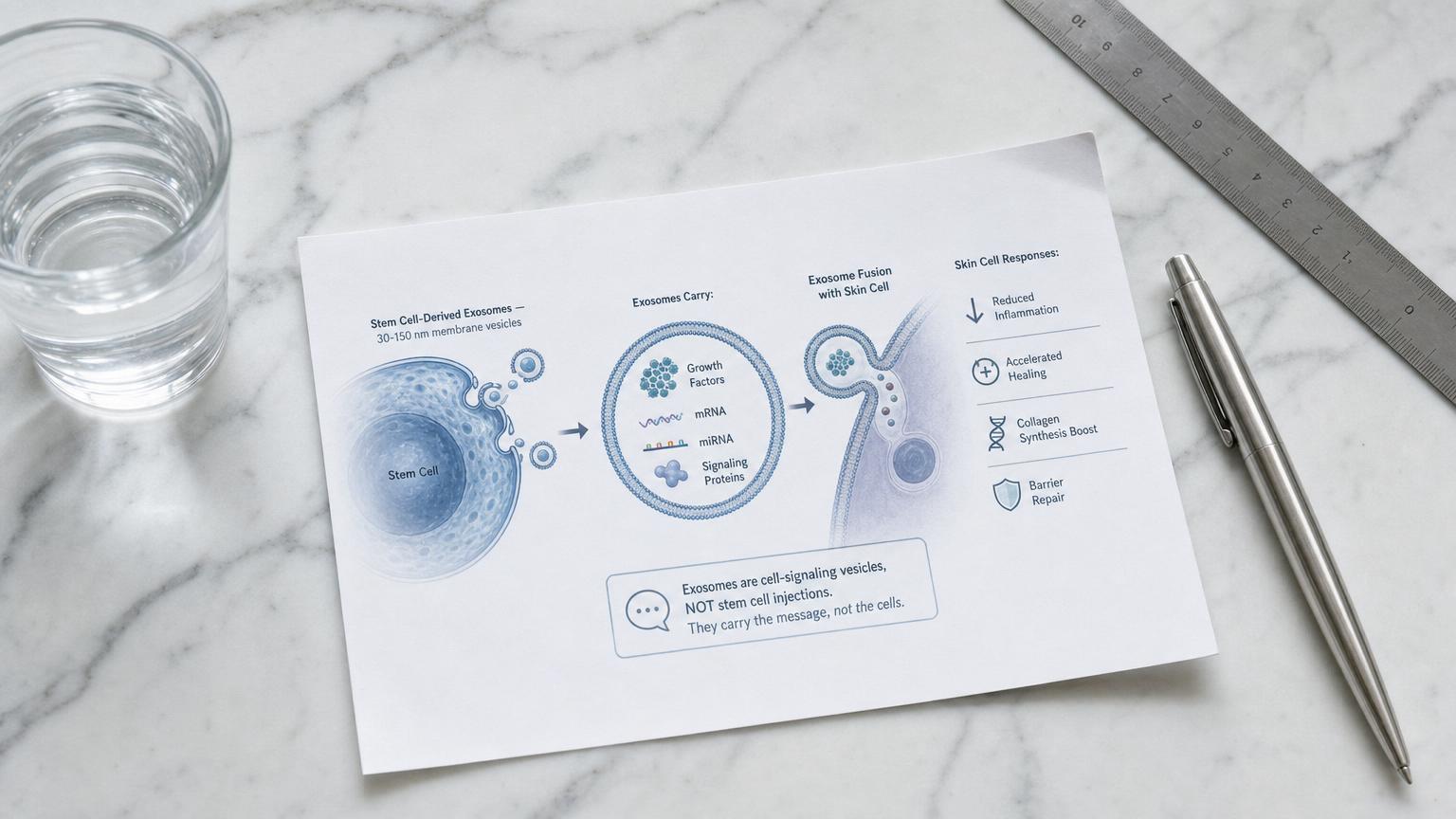
The technical definition: exosomes are small (30–150 nanometer) membrane-enclosed vesicles released by cells — including stem cells — that carry biological cargo including growth factors, proteins, mRNA, and microRNA. When exosomes are delivered to other cells (such as your skin cells), they fuse with the cell membrane and release that cargo, triggering specific biological responses including reduced inflammation, accelerated wound healing, increased collagen synthesis, and improved barrier function.
In Korean dermatology, the exosomes used are typically derived from stem cell culture media — meaning the stem cells were grown in a lab, the exosomes they released were collected and purified, and the resulting product contains the exosomes only, not the cells themselves. This is structurally and biologically different from stem cell injection.
The Misconceptions to Clear
- Exosomes are not stem cells. They are vesicles released by stem cells. The cargo is delivered; the cells themselves are not.
- Exosomes do not add volume. Unlike filler, they do not occupy physical space under the skin. They work at the cellular signaling level.
- Exosomes are not a single-shot transformation. Like Rejuran and other regeneration-class treatments, they work cumulatively over a series.
- Exosomes are typically not standalone treatment. This is the critical point most foreign patients miss. Korean clinics almost always layer exosomes with another active treatment — microneedling, fractional laser, or PN-based Rejuran — because the synergy is what produces visible results.
What They Actually Do
The validated effects of stem cell-derived exosomes on skin, based on Korean clinical experience over the last 5–7 years:
- Anti-inflammatory action. Calmed baseline redness, reduced reactive flushing, lower overall inflammatory tone.
- Accelerated healing post-procedure. Applied immediately after fractional laser or microneedling, exosomes shorten the downtime and reduce post-treatment irritation noticeably.
- Improved barrier function. Patients with compromised barriers (over-treated, sensitive, or reactive skin) often see the most dramatic improvement.
- Collagen synthesis support. Particularly when combined with microneedling channels that allow deeper exosome penetration.
- Reduced post-inflammatory pigmentation. Especially valuable for patients of color who are vulnerable to PIH after standard treatments.
What They Don’t Do (Even in Korea)
- Erase deep wrinkles caused by repeated muscle movement (those need botox).
- Replace volume in cheeks, temples, or under-eye (those need filler or fat grafting).
- Lift sagging tissue (those need HIFU, RF, or thread lift).
- Treat established melasma alone (those need targeted pigmentation lasers or topical depigmenting agents).
- Replace daily skincare (they complement it — not substitute).
The Korean Combination Protocols — Why Standalone Is Rare
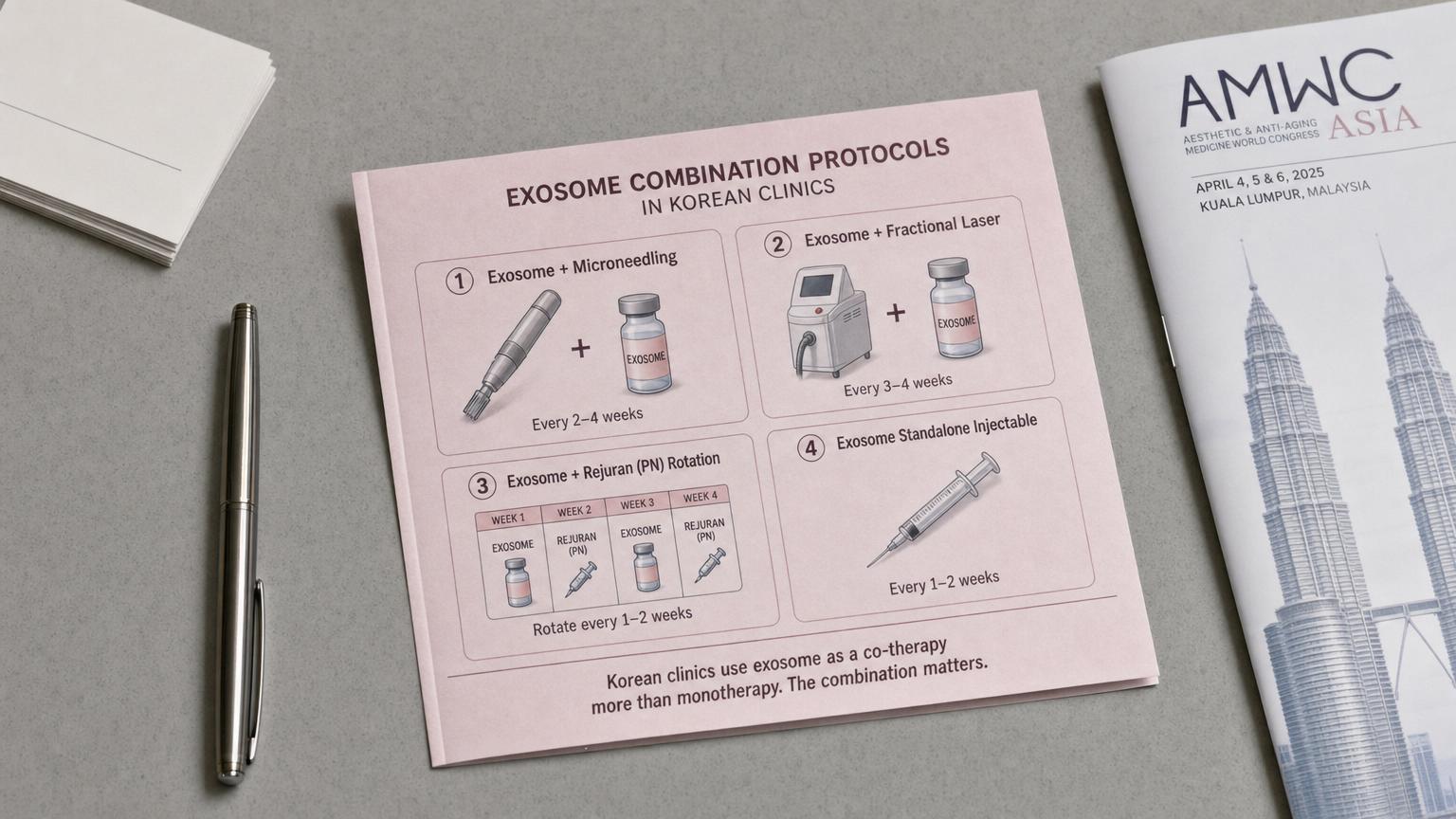
This is the single most important section of this guide and the one that consistently surprises foreign patients. Korean clinics generally do not sell standalone exosome injection sessions as the front-line option. They sell exosome therapy as a co-treatment that potentiates a primary active modality. Here are the four common Korean combinations.
1. Exosome + Microneedling (The “Booster” Protocol)
This is the most common Korean exosome application. The clinic performs a microneedling session creating micro-channels through the epidermis, then immediately applies exosome topical solution to the freshly channeled skin. The micro-channels allow the exosome cargo to penetrate deep enough to reach the active layers, where the growth factors and signaling molecules trigger the regenerative response. The treatment takes 60–90 minutes total. Most patients see noticeable improvement in skin texture, hydration, and tone after a 3-session series spaced 3–4 weeks apart.
2. Exosome + Fractional Laser (The “Healing Acceleration” Protocol)
For patients receiving fractional laser treatments (CO2, Erbium, or picosecond fractional), Korean clinics increasingly apply exosome immediately post-laser. The exosomes accelerate the healing of laser-created microthermal zones, reducing the typical post-laser downtime from 7–10 days to 4–7 days, and minimizing post-inflammatory pigmentation risk. The combination is particularly valuable for patients of Asian descent who have higher PIH risk with standard laser protocols.
3. Exosome + Rejuran (PN) — The “Layered Regeneration” Protocol
For patients with both compromised barrier function (where exosomes help) and texture/collagen depletion (where Rejuran helps), Korean clinics often alternate exosome and Rejuran sessions in a rotating series. A typical 12-week protocol might be: Week 0 Rejuran, Week 3 Exosome+microneedling, Week 6 Rejuran, Week 9 Exosome+microneedling. This addresses both the signaling layer and the structural collagen layer with complementary mechanisms.
4. Exosome Standalone Injectable (The “Sensitive Skin” Monotherapy)
For patients with too-reactive skin who cannot tolerate microneedling or laser, Korean clinics sometimes perform standalone intradermal exosome injections — small bleb-style injections across the cheeks, forehead, and chin. This is less common than the combination protocols and the visible result is more modest, but it is the appropriate choice for patients whose barrier is too compromised to undergo trauma-based treatments.
Why Combinations Outperform Monotherapy
The Korean clinical reasoning is straightforward. Exosomes work by delivering biological cargo to skin cells. That cargo is more effective when the receiving cells are in a state of active regeneration — which is precisely what microneedling and fractural laser produce. Standalone exosome injection delivers the cargo, but to skin cells in a resting state, the cargo’s effect is more subtle. The combination unlocks the full mechanism. This is why Korean clinics typically frame exosome as a co-therapy rather than a primary treatment.
The Layering Order Matters
One protocol detail that Korean clinics consistently observe but Western clinics sometimes miss: the sequence within a single session matters. Korean protocol typically performs the trauma-creating treatment (microneedling or laser) first, then immediately applies exosome topical while the micro-channels are still open and the inflammatory cascade is just beginning. Applying exosome before microneedling, or waiting until the channels have begun closing, dramatically reduces the cargo’s effective depth of penetration. This is why a clinic that performs the combination correctly produces noticeably better outcomes than one that applies the same products in a different order.
Choosing the Right Combination for Your Skin
Korean clinics generally select the combination based on three factors: the primary concern (barrier compromise vs texture vs pigmentation), the baseline skin sensitivity (some patients cannot tolerate aggressive laser), and the time the patient has available for a treatment series (some combinations require longer downtime between sessions). For a patient with sensitive reactive barrier-compromised skin, the Korean default is microneedling+exosome at conservative depth. For a patient with texture and tone concerns who can tolerate more aggressive treatment, the laser+exosome combination produces a stronger result. For a patient with both signaling and structural collagen issues, the alternating Rejuran+exosome rotation gives the most comprehensive coverage. The clinic should explain why your specific combination matches your specific skin — not default everyone to the same protocol.
The 8-Week Outcome Profile — What Patients Actually See
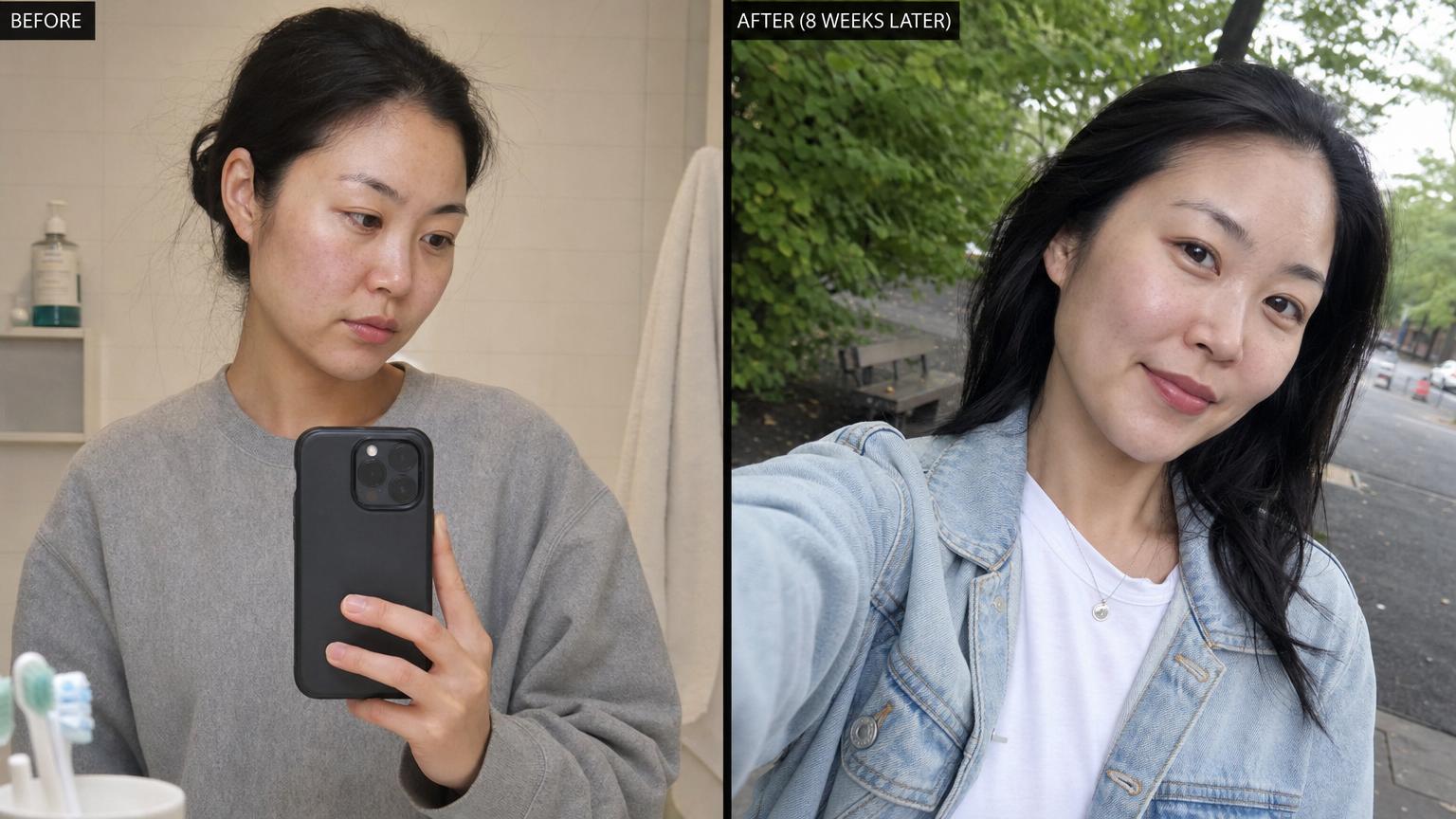
By the end of a typical 3-session combination series (microneedling + exosome, 3 sessions spaced 3 weeks apart), most patients report a consistent pattern of cumulative improvement.
Recommended for Your Recovery
Products commonly used before and after Korean exosome therapy — same items routinely recommended in the recovery instructions Seoul clinics hand out at discharge.
- COSRX Advanced Snail 96 Mucin Power Essence — Korean barrier essence to support skin between injection sessions and reduce post-procedure dryness. Check price on Amazon
- Beauty of Joseon Relief Sun SPF 50+ — lightweight Korean SPF 50+ — UV protection is critical after any injectable to prevent pigment irregularities. Check price on Amazon
- Gel Eye Mask (Cold Compress) — cold compress for periorbital or perioral micro-swelling in the 24 hours after a session. Check price on Amazon
- Arnica Montana Tablets — optional 1 to 2 day course around injection day to minimize bruising at injection points. Check price on Amazon
As an Amazon Associate, GlobalBeautySpot earns from qualifying purchases at no extra cost to you.
What Patients Actually Notice First (Week 2–4)
Before any visible change in the mirror, patients usually report two specific signals. First, skin “feels different to the touch” — softer, less reactive, less rough at the surface. Second, daily skincare absorbs differently — moisturizers and actives feel like they are penetrating rather than sitting on a barrier. These two non-visible signals arrive 2–4 weeks before the visible improvements in the mirror, and they are the most reliable early indicators that the treatment is working.
The Visible Inflection (Week 6–10)
By week 6–10, the visible changes start to register. Skin tone is more even. Subtle redness or reactive flushing is reduced. Texture is finer. Minor blemishes that previously took 7–10 days to heal now resolve in 3–5 days. Daily makeup sits better. Most patients can identify the change in side-by-side photos taken in identical lighting, even though daily mirror checks may not show dramatic transformation.
What You Will NOT Get
Dramatic magazine-cover transformation. Filtered-Instagram smoothness. Erased fine lines. Total disappearance of any pre-existing pigmentation. Korean clinics show realistic exosome outcomes in their materials, and the visible improvement is always restrained — subtle, cumulative, biological rather than dramatic. Clinics that show dramatic exosome before-and-afters are typically showing the result of the combined treatment (microneedling, laser) plus exosome, not exosome alone, and the marketing framing matters less than understanding what the protocol is actually doing.
The Maintenance Question
After the initial 3-session series, most Korean clinics recommend a single maintenance session every 4–6 months to keep the result stable. The barrier improvements and inflammatory calming achieved over the series gradually erode without periodic stimulation. Patients who maintain consistently report the stable “calm, healthy, slightly glowing” baseline that Korean dermatology has built its reputation on.
The Aftercare Protocol Korean Clinics Follow
The 5–7 days after each combination session matter as much as the session itself. Korean clinics consistently instruct: gentle cleanser only (no actives, no exfoliants, no scrubs) for 5 days, daily SPF 50+ broad-spectrum sunscreen as the highest priority, no hot showers or sauna for 48 hours, no heavy makeup for 48 hours, and no aggressive skincare products (retinol, vitamin C serum, AHA/BHA) for 7 days. Patients who follow this protocol see noticeably better outcomes than patients who return to full skincare routines too quickly. The freshly treated barrier needs the week of quiet to settle into the cumulative regenerative response.
Cost and Where Korea Wins on This Specific Treatment

Exosome therapy is now available in the US, UK, and parts of EU and Australia — but the cost difference compared to Korea is significant, and more importantly, the protocol fluency is dramatically higher in Korea where the treatment has been clinically refined since around 2018.
| Region | Per Session (Microneedling + Exosome) | 3-Session Series Total | Notes |
|---|---|---|---|
| Korea (Seoul) | KRW 350,000–600,000 (USD 260–445) | KRW 1,000,000–1,700,000 (USD 740–1,260) | Series pricing common; product brand transparent; protocol fluent |
| USA | USD 800–1,500 | USD 2,400–4,500 | Available in select derm clinics; combination not always offered |
| UK / EU | GBP 450–800 | GBP 1,350–2,400 | Variable; product source often unclear; protocol experience uneven |
| Australia | AUD 650–1,000 | AUD 1,950–3,000 | Limited; standalone monotherapy more common than combination |
The price advantage is real but the more meaningful Korean advantage is protocol experience. Korean dermatology clinics have been refining exosome combination protocols for around 5–7 years, settling into specific session spacing, microneedling depth, and product brand selection that Western clinics have less cumulative experience with. The product itself is available globally — what differs is the clinical judgment about when, with what, and at what depth to deploy it.
If you are coordinating multiple Korean skin treatments in a single trip, this guide pairs naturally with Korean Rejuran skin booster (the alternating combination explained in protocol 3 above), with Juvelook collagen booster (different indication — volume restoration rather than barrier repair), and with the broader petit treatment menu at Link Plastic Surgery’s English consultation page.
Five Questions to Ask Any Clinic
- What exosome product brand do you use, and what is its source? Korean clinics use specific manufacturer brands with traceable source documentation. A clinic that cannot or will not specify the product brand is using something it would rather you not check.
- Do you typically use exosome as standalone monotherapy or as a combination treatment? A clinic that defaults everyone to standalone exosome injection without explaining the combination options is fitting your treatment to their menu rather than to the biology.
- What combination would you recommend for my specific skin concerns? A clinic that explains why microneedling+exosome vs. laser+exosome vs. Rejuran+exosome differs for your case is applying real clinical judgment. A clinic that recommends the same protocol to every patient is selling, not treating.
- How many sessions do you recommend before evaluating outcome? The honest answer is 3 sessions over 8–12 weeks, with outcome evaluation at week 8. Any clinic promising you results in 1–2 sessions is misrepresenting the biology.
- What is your post-treatment protocol for the next 7–14 days? Korean clinics provide specific aftercare instructions — gentle cleanser only, no actives for 5–7 days, no sun exposure, SPF 50+ daily, no heat for 48 hours. A clinic that hands you a vague “be gentle for a few days” instruction is not treating the protocol seriously.
Frequently Asked Questions
Is exosome therapy approved and regulated in Korea?
Korean clinical use of exosomes in aesthetic and dermatological contexts is well-established and the products used in licensed clinics come from regulated manufacturers. The Korean regulatory framework specifically addresses cosmetic and aesthetic use, and the products used in reputable clinics are sourced from documented Korean or international manufacturers. When evaluating any clinic, ask specifically about the product brand and manufacturer.
Why is exosome usually combined with microneedling?
Microneedling creates micro-channels through the epidermis that allow exosome cargo to reach the active layers of the dermis where the regenerative response happens. Without those channels, topical exosome largely stays at the surface where its biological effect is much more modest. The combination unlocks the depth-of-action that makes the treatment clinically meaningful.
How is exosome different from PRP or Rejuran?
PRP uses growth factors from the patient’s own blood. Rejuran uses polynucleotides derived from salmon DNA. Exosomes are vesicles released by stem cells carrying growth factors and signaling proteins. All three target regeneration but through different mechanisms. PRP is autologous (your own material). Rejuran activates fibroblasts via DNA fragments. Exosomes deliver pre-packaged cargo. They are sometimes combined; they are not interchangeable.
Can men get exosome therapy?
Yes — Korean clinics treat male patients commonly, particularly for post-acne barrier issues, sensitive reactive skin, and post-laser recovery. The protocol is identical to the female patient protocol.
What age range benefits most?
Patients in their mid-twenties through fifties typically see the most clearly visible benefit. Younger patients (early twenties) sometimes use exosome for acne barrier issues. Older patients (sixties+) still benefit but the regenerative capacity of baseline skin is reduced, so the visible improvement is more subtle.
Can I exercise after a session?
Light activity yes, immediately. Vigorous exercise (heavy sweating, sauna, hot yoga) should wait 48 hours to avoid additional inflammation and to let microneedling channels close. Swimming should wait 72 hours.
What if I’m on Accutane or recently completed a course?
If currently on Accutane or within 6 months of finishing, exosome treatments paired with microneedling or laser are generally not recommended because of healing concerns. Wait until at least 6 months after finishing Accutane before resuming aesthetic skin treatments. Standalone topical exosome (without microneedling) may be acceptable earlier with clinic clearance.
How long does the calming/healing effect last?
The inflammatory calming and barrier improvements achieved during a 3-session series typically hold for 4–6 months without maintenance. With a single maintenance session every 4–6 months, the result is stable. Without maintenance, the baseline gradually returns to pre-treatment over 6–12 months.
Does the combination with Rejuran really work better?
Korean clinics that have used both treatments for years generally report that alternating exosome and Rejuran in a single rotating series produces better outcomes than either alone for patients with both barrier issues and texture concerns. The two mechanisms are complementary — exosome addresses signaling and inflammation, Rejuran addresses collagen activation. For patients with primarily one concern, a single-modality series may be sufficient.
What does a typical Korean exosome session feel like?
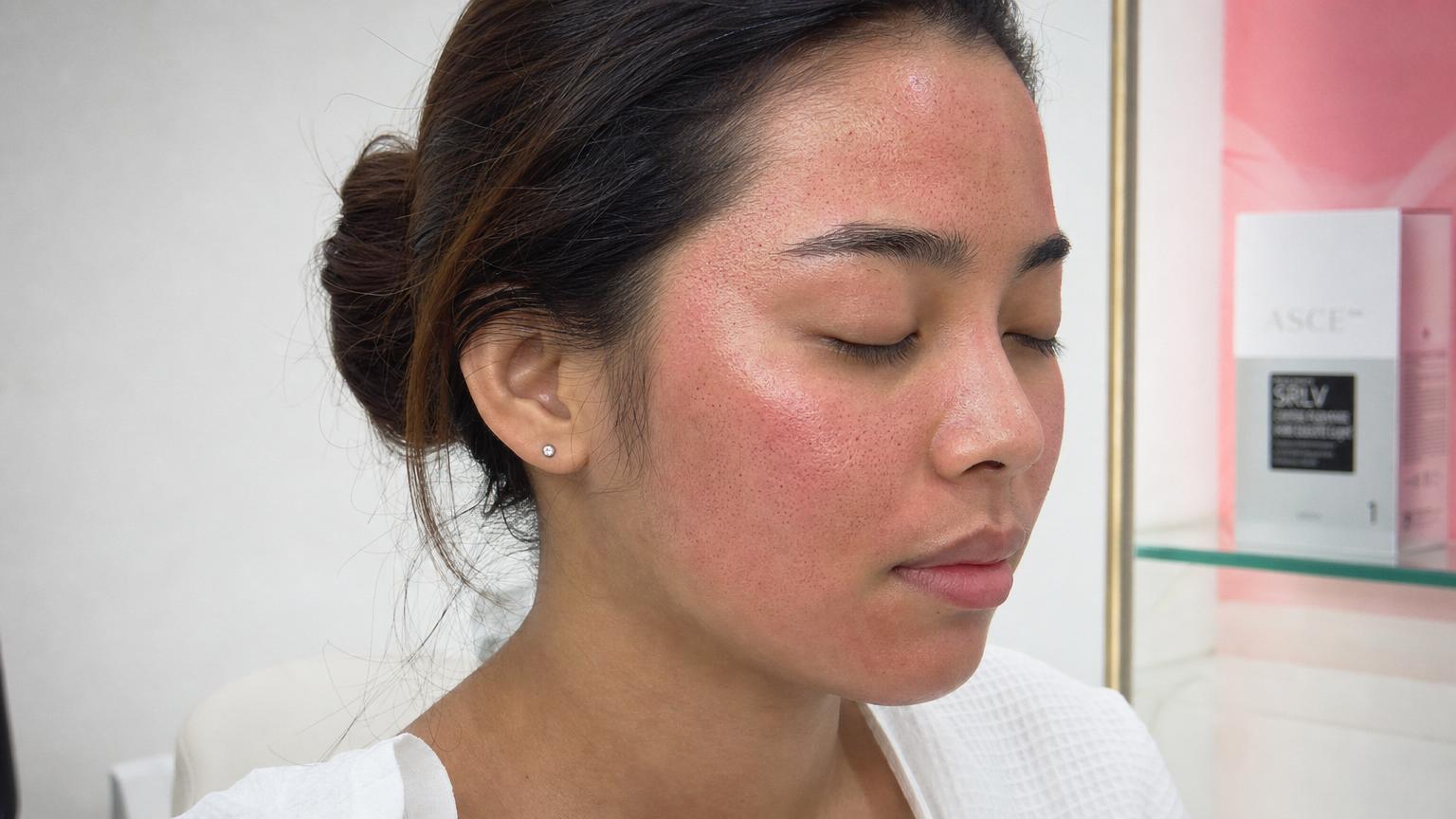
The microneedling component is sometimes mildly uncomfortable (described as “small scratchy sensation”) but topical numbing cream is applied for 20–30 minutes before treatment, significantly reducing discomfort. The exosome topical application after microneedling is comfortable. Total session time is 60–90 minutes. Immediate post-treatment shows mild flushing and pinpoint redness that fades over 24–48 hours.
Closing
Korean exosome therapy is one of the most clinically refined skin treatments in the entire Korean dermatology playbook — but only because Korean clinics have learned to treat it as a combination protocol rather than a single-shot monotherapy. Foreign patients who book a single exosome session expecting transformation are misunderstanding the treatment; foreign patients who commit to the combination series (microneedling+exosome, laser+exosome, or rotating with Rejuran) consistently report the calm, restored, naturally healthy skin baseline that the K-beauty aesthetic is built on.
If you are planning a Korea trip and want to add exosome therapy to your itinerary, plan for the combination protocol — typically 3 sessions over 8–12 weeks. Choose a clinic that specifies the product brand transparently, explains why specific combinations match specific skin concerns, and provides a clear aftercare protocol. Clinics that have built reputations in Korean skin treatment — including Link Plastic Surgery’s exosome page — will tell you upfront which combination fits your skin rather than defaulting everyone to the same protocol.
The mental model worth holding: exosome therapy is not a stem cell injection. It is a biological signaling protocol that potentiates whatever active treatment your skin actually needs. That framing matches the biology, sets the correct expectations, and produces the gradual, restrained improvement that Korean dermatology has built its global reputation on.