Belly Button Surgery in Korea: Real Before-and-After Photos From 3 Patients
Belly button surgery is one of those procedures that most people outside Korea have never heard of. Inside Korea, it is quietly one of the most requested minor body procedures, particularly among women who have been through pregnancy or had a tummy tuck and are unhappy with how their navel healed.
The procedure is called umbilicoplasty. It takes about 30 minutes under local anesthesia, costs a fraction of what most cosmetic surgeries run, and has a recovery period measured in days rather than weeks. Yet finding real patient photos is almost impossible, because nobody talks about it publicly.
I coordinated consultations for three patients who had belly button surgery at clinics in Seoul, and all three agreed to share their recovery photos. These are unretouched images taken during their actual healing process.
Key Takeaways
- Umbilicoplasty is a 30-minute procedure under local anesthesia with 5 to 7 days of recovery.
- Korean surgeons aim for a vertical oval navel shape, which is considered the aesthetic standard in Korea.
- Cost in Korea: $500 to $1,500. US equivalent: $2,000 to $4,000.
- Most common candidates: post-pregnancy patients and those dissatisfied with navel shape after abdominoplasty.
- All three patients reported being satisfied with results within 1 month of surgery.
Case 1: 1 Month Post-Op Recovery
This patient had her belly button reshaped after pregnancy left her with a stretched, horizontal navel. She documented her recovery at 1 month post-op.
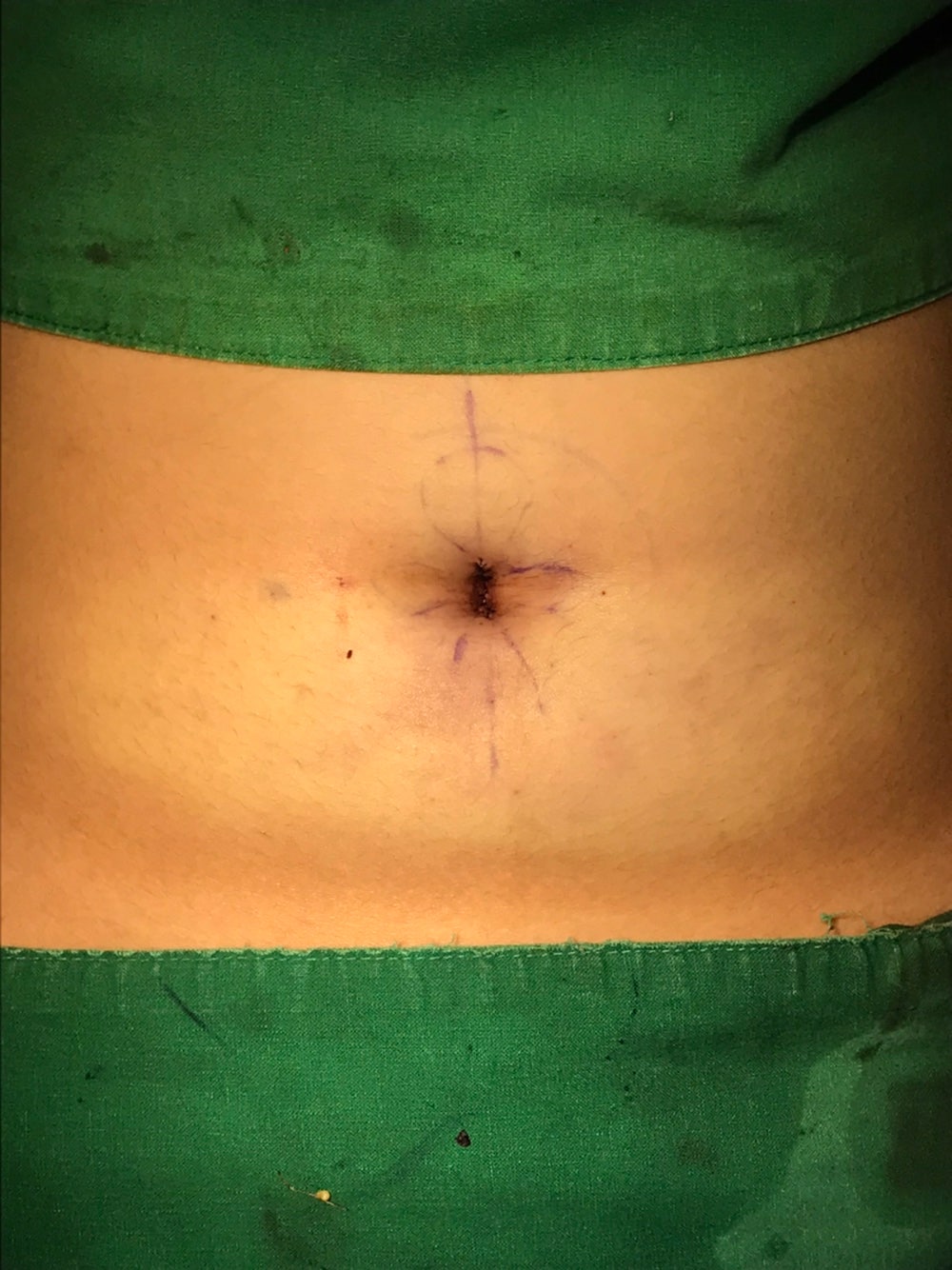
Before Surgery
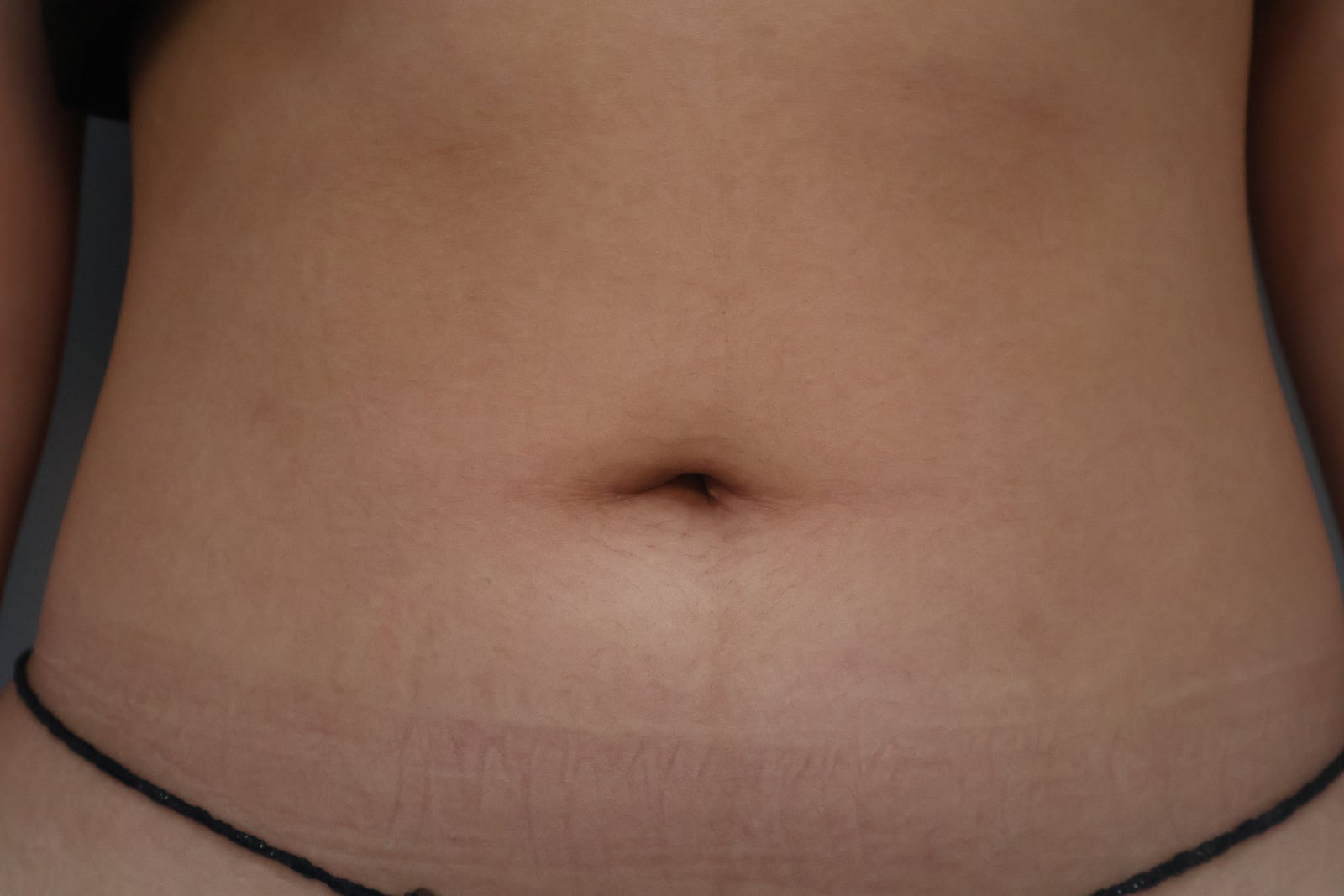
1 Month Post-Op
“One month since my belly button surgery. The scar is fading nicely and the shape is exactly what I wanted. I wish I had done this sooner.” — Patient review #1005, January 2026, translated from Korean
Case 2: 31 Days Post-Op
This patient had a protruding (“outie”) belly button that she had been self-conscious about since adolescence. The surgeon reshaped it into a natural inward navel.
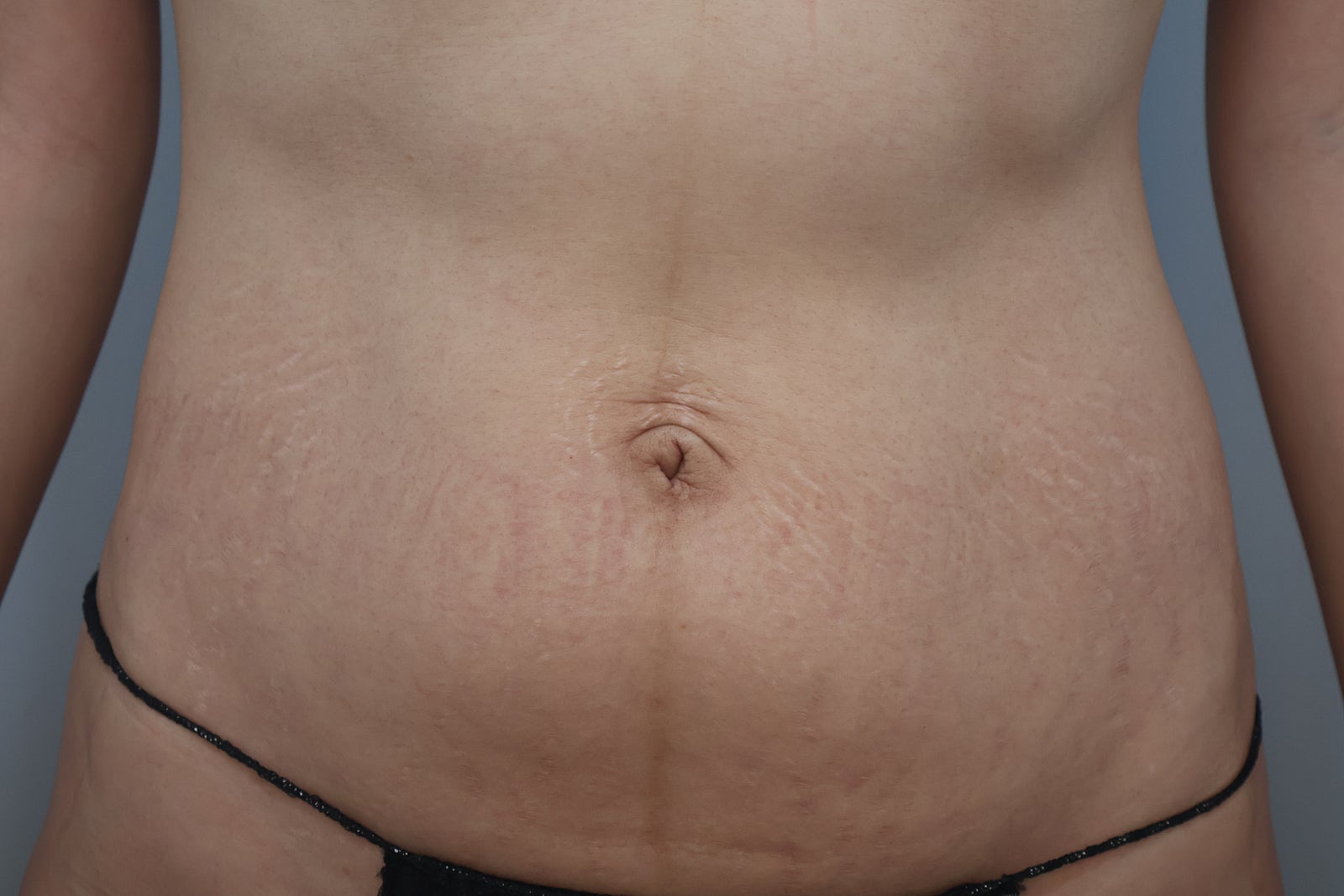
Before Surgery
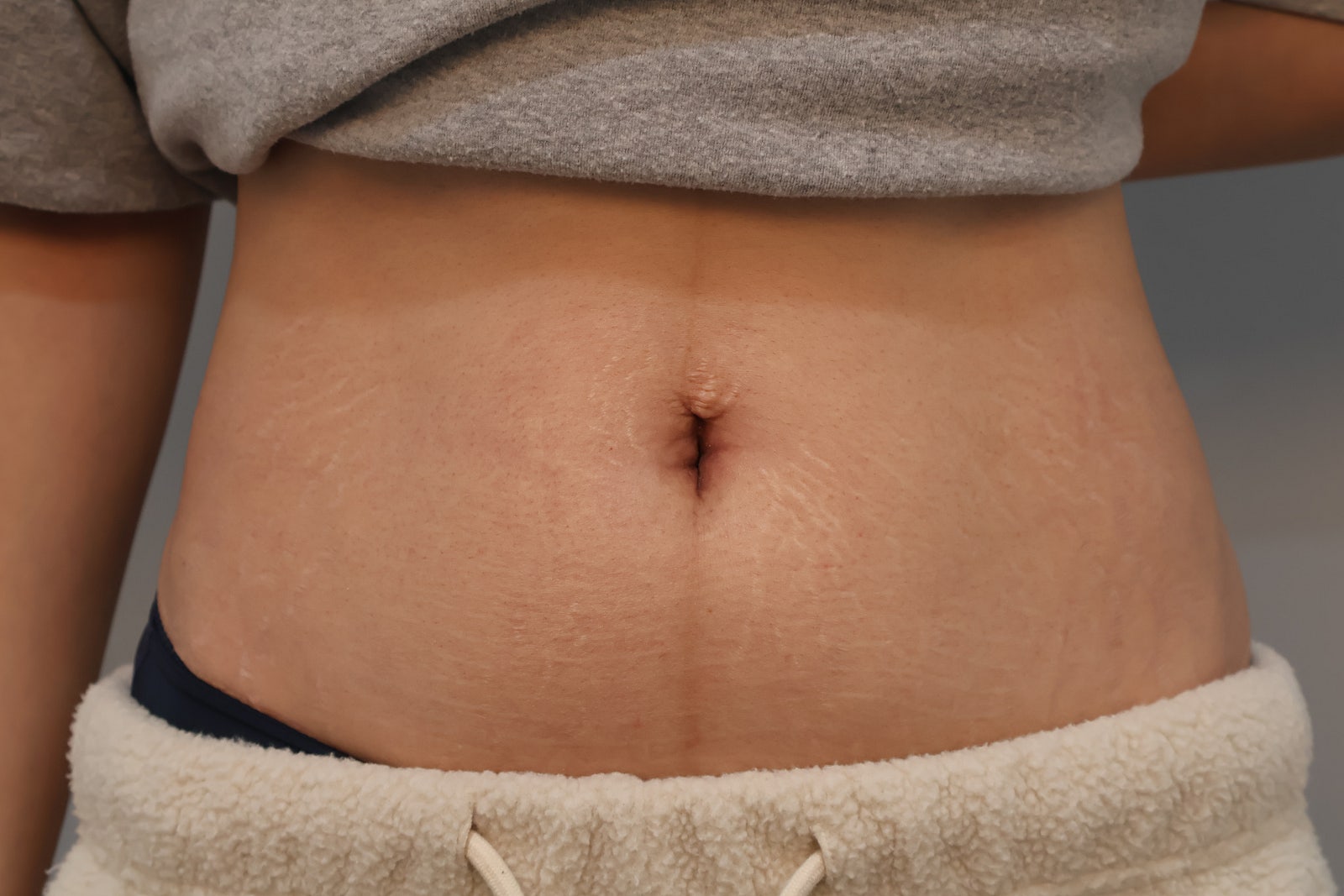
31 Days Post-Op
“Day 31 after belly button surgery. The healing has been straightforward and the result looks natural. Very satisfied with how it turned out.” — Patient review #994, December 2025, translated from Korean
Case 3: Healed Result
This patient wanted a more defined, narrower navel shape. Her surgeon used the vertical oval technique that has become the standard approach at most Korean clinics.
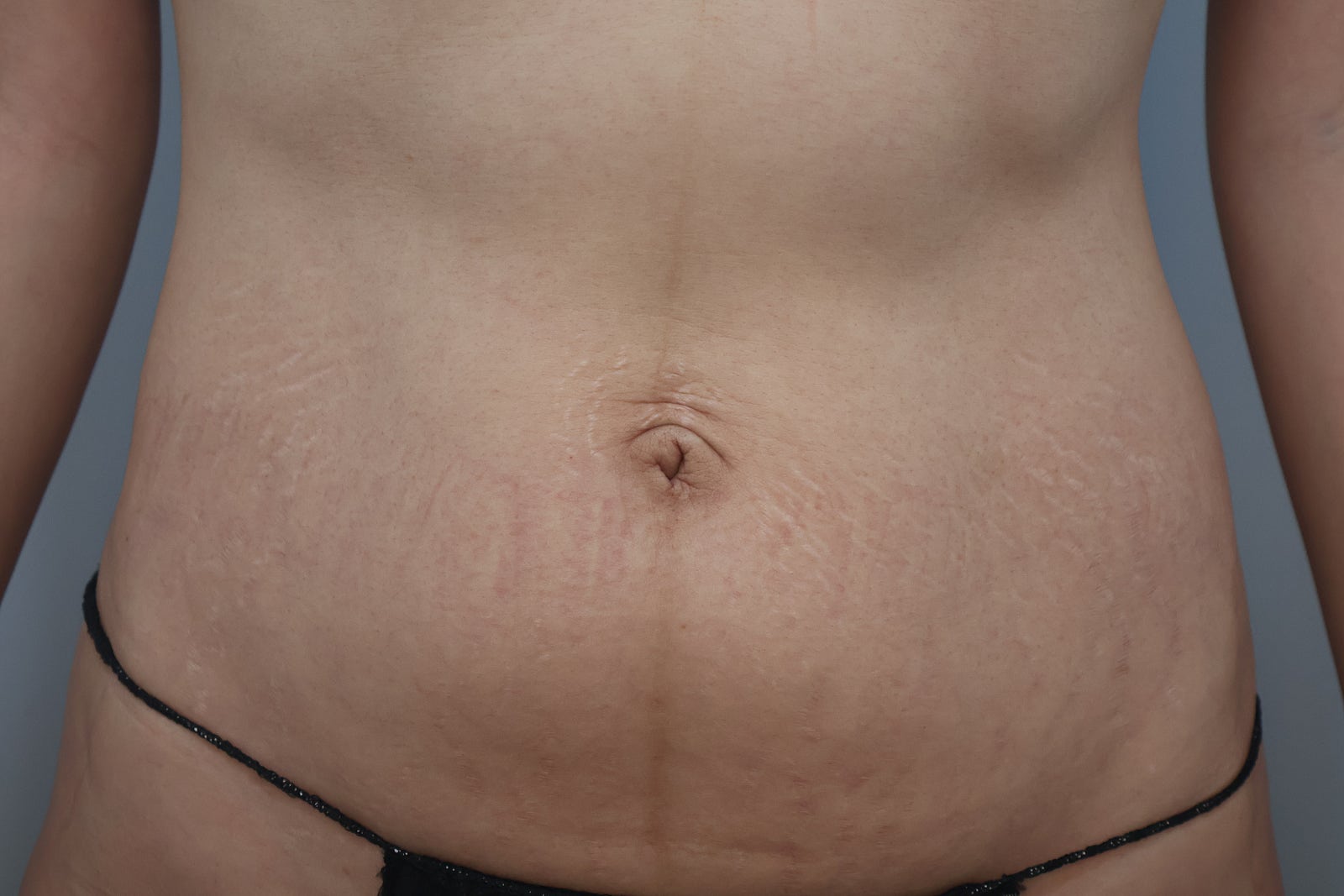
Before Surgery
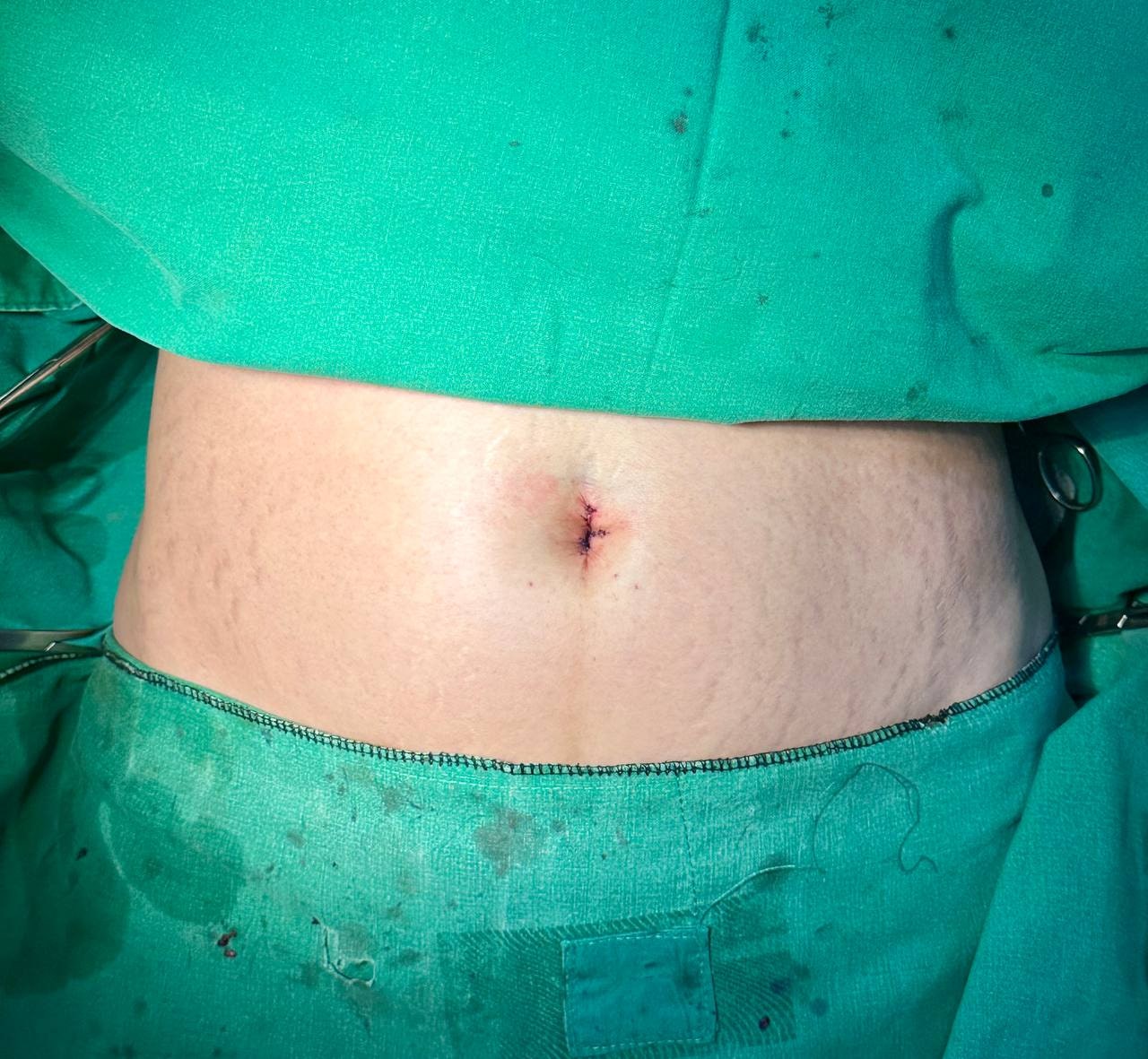
After Surgery
“Really happy with my belly button surgery result. It looks completely natural now.” — Patient review #986, November 2025, translated from Korean
Why Belly Button Surgery Is So Popular in Korea
There are two main groups of patients who seek umbilicoplasty in Korea.
The first group is post-pregnancy women. Pregnancy stretches the abdominal wall and often distorts the navel, leaving it wider, flatter, or protruding. Many women who get a tummy tuck are unhappy with how the surgeon reconstructed the belly button during that procedure. Umbilicoplasty can fix this as a standalone correction.
The second group is patients who simply dislike their natural navel shape. Some people are born with protruding belly buttons, overly wide navels, or asymmetric shapes. In Korea, the aesthetic ideal is a small, vertically oriented oval navel with a slight inward depth. It is a subtle feature, but one that Korean patients pay attention to, particularly when wearing crop tops or swimwear.
The Korean Vertical Oval Technique
Korean surgeons have refined belly button reshaping into a specific technique that targets the vertical oval shape. The procedure involves:
- Excess skin removal: The surgeon trims redundant skin around the navel opening.
- Internal suturing: The underlying tissue is sutured to create depth and a natural inward curve.
- Reshaping: The remaining skin is shaped into a vertical oval and sutured with fine dissolvable stitches.
The entire procedure takes approximately 30 minutes under local anesthesia. General anesthesia is not required. At Link Plastic Surgery, belly button surgery is one of their listed specialties, and the clinic performs it frequently enough that the approach has been standardized for consistent results.
Belly Button Surgery Cost: Korea vs. United States
| Procedure | Korea (Seoul) | United States |
|---|---|---|
| Umbilicoplasty (standalone) | $500 to $1,500 | $2,000 to $4,000 |
| Umbilicoplasty + mini tummy tuck | $2,000 to $4,000 | $5,000 to $9,000 |
| Belly button revision (after tummy tuck) | $800 to $1,800 | $2,500 to $5,000 |
Korean prices include the surgeon fee, local anesthesia, facility use, and all post-operative follow-up visits. There are no additional charges.
Recovery Timeline
| Timeline | What Happens |
|---|---|
| Day 1 to 2 | Mild soreness, dressing in place, avoid bending at the waist |
| Day 3 to 5 | Soreness fades, can return to desk work, keep dressing dry |
| Day 5 to 7 | Suture check or removal (if non-dissolvable), light activity resumes |
| Week 2 to 3 | Swelling subsides, shape becomes visible, scar still pink |
| Month 1 to 3 | Scar matures and fades, final shape settles |
Because the incisions are hidden inside the navel, scarring is virtually invisible once healed. Most patients report that the scar is undetectable by month 3.
Who Is a Good Candidate
- Women whose belly button changed shape after pregnancy or C-section
- Patients unhappy with navel appearance after tummy tuck or abdominoplasty
- Anyone with a naturally protruding (“outie”) belly button
- Patients with an overly wide, asymmetric, or horizontally stretched navel
- People who avoid crop tops or swimwear due to navel self-consciousness
The procedure is not recommended for patients with active umbilical hernias (which require surgical hernia repair first) or those with keloid-prone scarring in the abdominal area.
Recommended for Post-Surgery Recovery
Products commonly used during recovery from belly button surgery.
- Arnica Montana Tablets — reduces bruising and inflammation, start before surgery. Check price on Amazon
- COSRX Snail Mucin Essence — supports skin healing and hydration around the surgical area. Check price on Amazon
- Silicone Scar Sheets — apply after sutures dissolve to minimize scarring inside the navel. Check price on Amazon
- Beauty of Joseon Relief Sun SPF 50+ — protect the area from hyperpigmentation if exposed to sun. Check price on Amazon
As an Amazon Associate, GlobalBeautySpot earns from qualifying purchases.
Considering Belly Button Surgery in Korea?
Get a free remote consultation with a board-certified surgeon at Link Plastic Surgery. Send your photos through WhatsApp or KakaoTalk for a preliminary assessment and cost estimate.
Related Articles
- Korean Rhinoplasty Results at 1 Month: What Your Nose Actually Looks Like During Recovery
- Alar Reduction in Korea: What Nostril Narrowing Surgery Actually Looks Like
- Full Face Fat Grafting in Korea: Real Cases With Recovery Photos
- Planning Plastic Surgery in Korea: The Complete Medical Tourism Guide
Patient photos from verified reviews at Korean plastic surgery clinics. Published with patient consent. Results may vary.