She booked the cheapest filler deal she could find for her under-eyes, drawn by a price far below everyone else, and ended up with lumpy, bluish swelling that took months and a dissolving injection to fix. The under-eye, she learned afterward, is one of the most advanced and unforgiving areas in the face, demanding a specific thin product and an expert hand, and the bargain clinic had used the wrong filler injected the wrong way. The lesson was not that filler is dangerous, but that the product, the area, and above all the injector are what matter, not the price. The consultation at Link Plastic Surgery often starts by matching the right filler to the right area in the right hands.
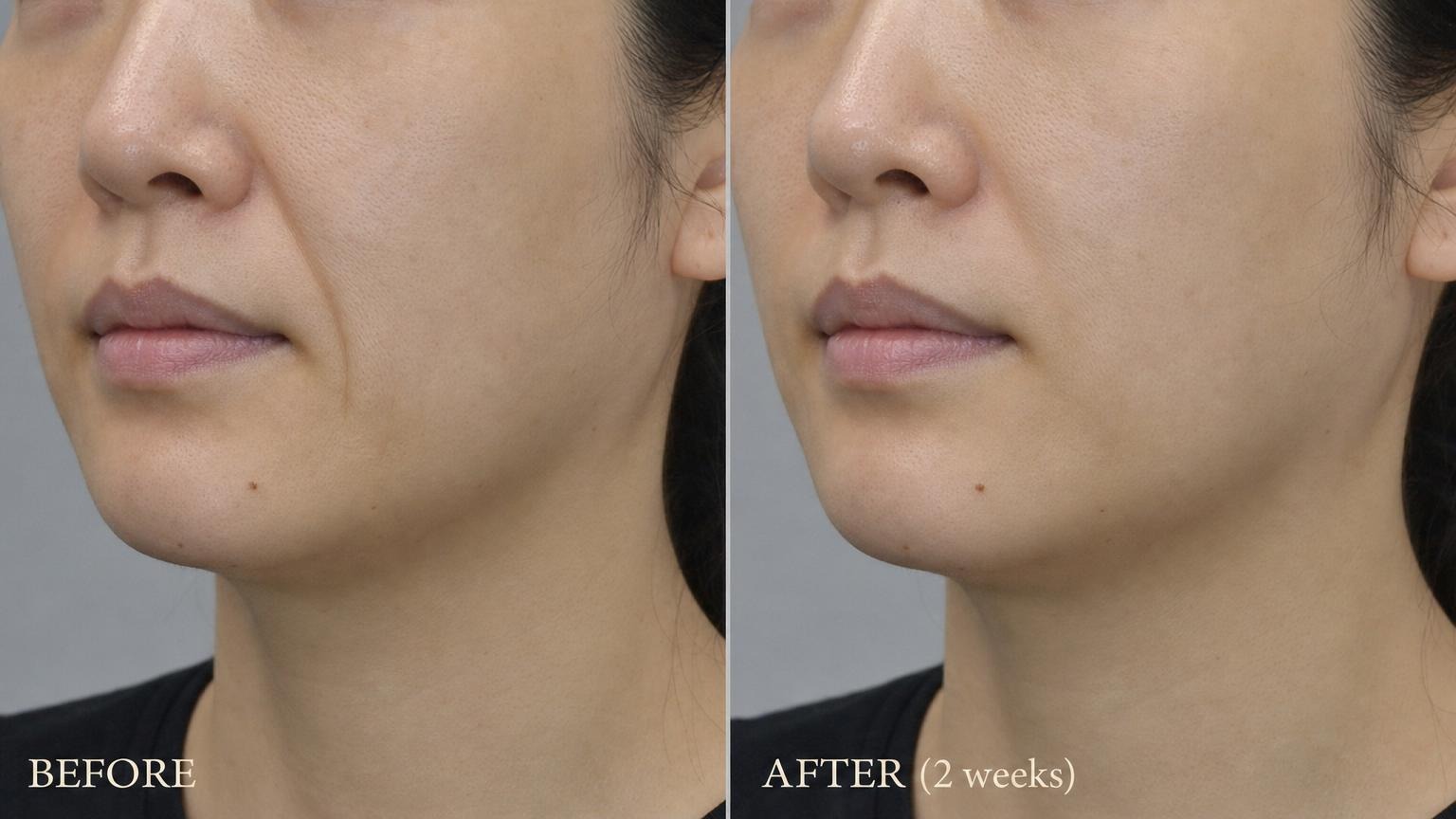
Filler is one of the most popular treatments foreign patients seek in Korea, and it is also one of the most misunderstood, often treated as a single interchangeable product. In reality, fillers vary by type, the product is matched to each area, longevity differs across the face, and safety depends far more on the injector than on the filler itself. Understanding these four things, type, area, longevity, and above all safety, is what turns filler from a risky bargain into a reliable, natural enhancement.
Fillers Are Not All the Same
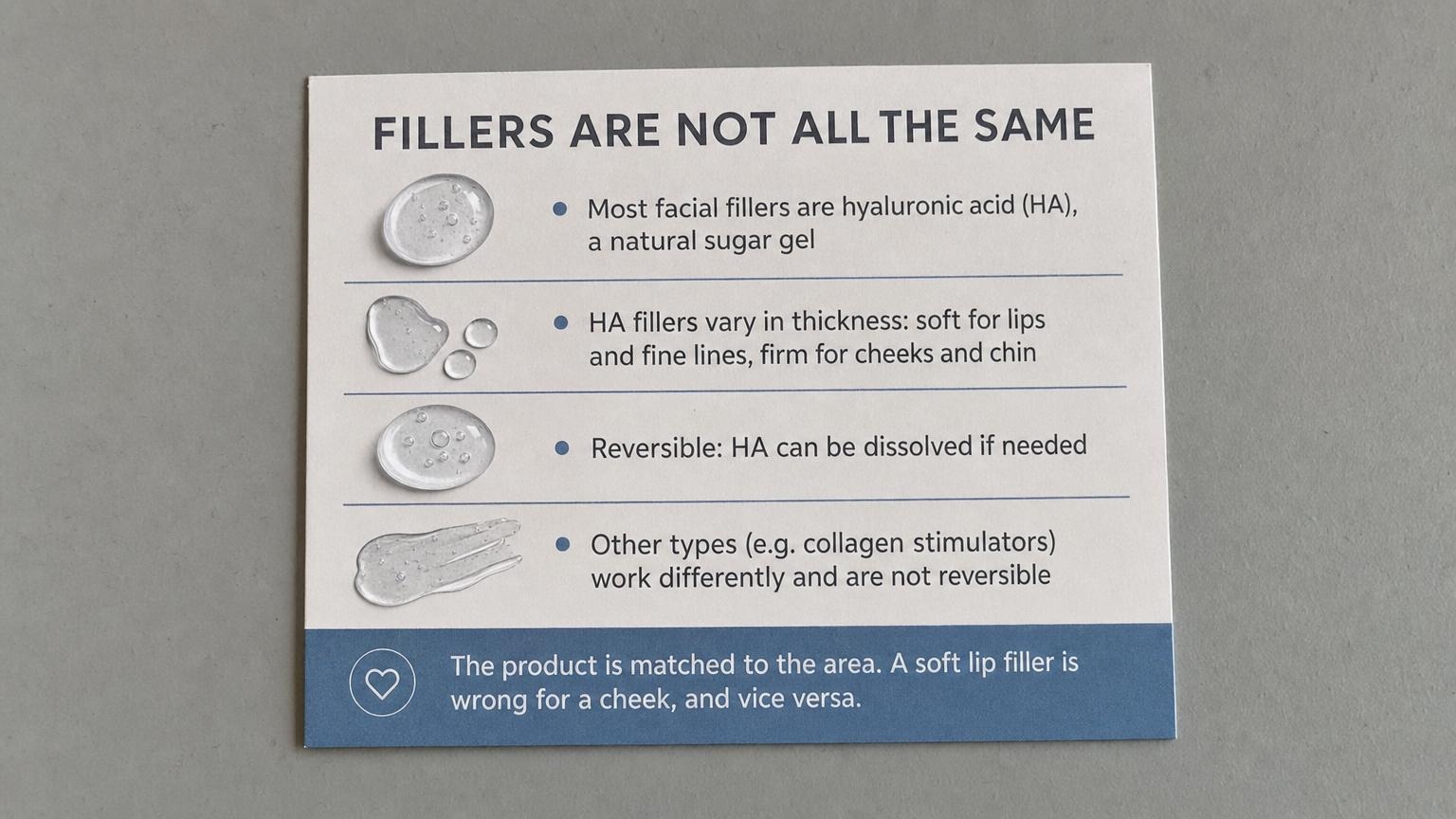
The first misconception to clear is that all filler is one thing. Most facial fillers are hyaluronic acid, or HA, a sugar molecule that occurs naturally in the body and holds water to add volume. But HA fillers vary in thickness: soft, fluid formulations for lips and fine lines, and firmer, more structured ones for cheeks and chin. A key advantage of HA is that it is reversible, meaning it can be dissolved with an enzyme if there is a problem or an unwanted result, which is a major safety feature. Other types of filler, such as collagen stimulators, work by a different mechanism and are not reversible.
The practical takeaway is that the product is matched to the area: a soft lip filler is wrong for a cheek, and a firm cheek filler is wrong for lips. Using the wrong consistency in the wrong place is a common cause of poor results. This matching of product to purpose is part of the broader logic of Korean petit treatments, where the right tool for the specific goal is the whole point.
Filler by Area
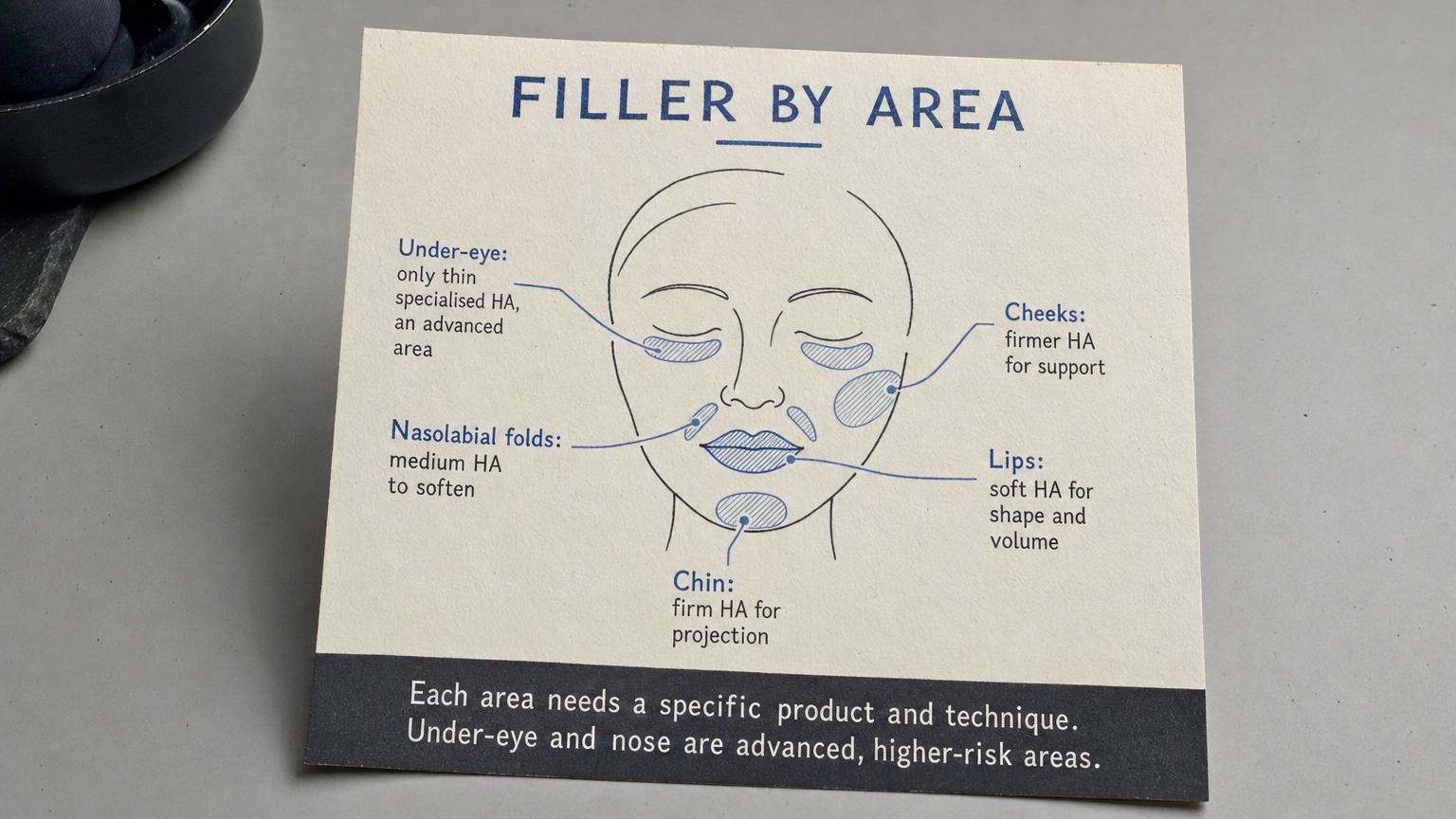
Each part of the face calls for a particular product and technique, and knowing the map helps you understand a good treatment plan. Lips take a soft HA for shape and volume, an area covered in depth in our guide to Korean lip filler. Nasolabial folds, the lines from nose to mouth, take a medium HA to soften them. Cheeks take a firmer HA for support and lift. The chin takes a firm HA for projection. And the under-eye takes only a thin, specialised HA and is one of the most advanced, higher-risk areas.
The important point is that each area needs a specific product and technique, and some areas, notably the under-eye and the nose, are advanced, higher-risk zones that demand real expertise. A clinic that uses the same filler everywhere, or treats a high-risk area casually, is cutting corners. Where a more lasting or structural change is wanted, fat can be an alternative to filler, connecting to the principles of facial fat grafting.
How Long It Lasts
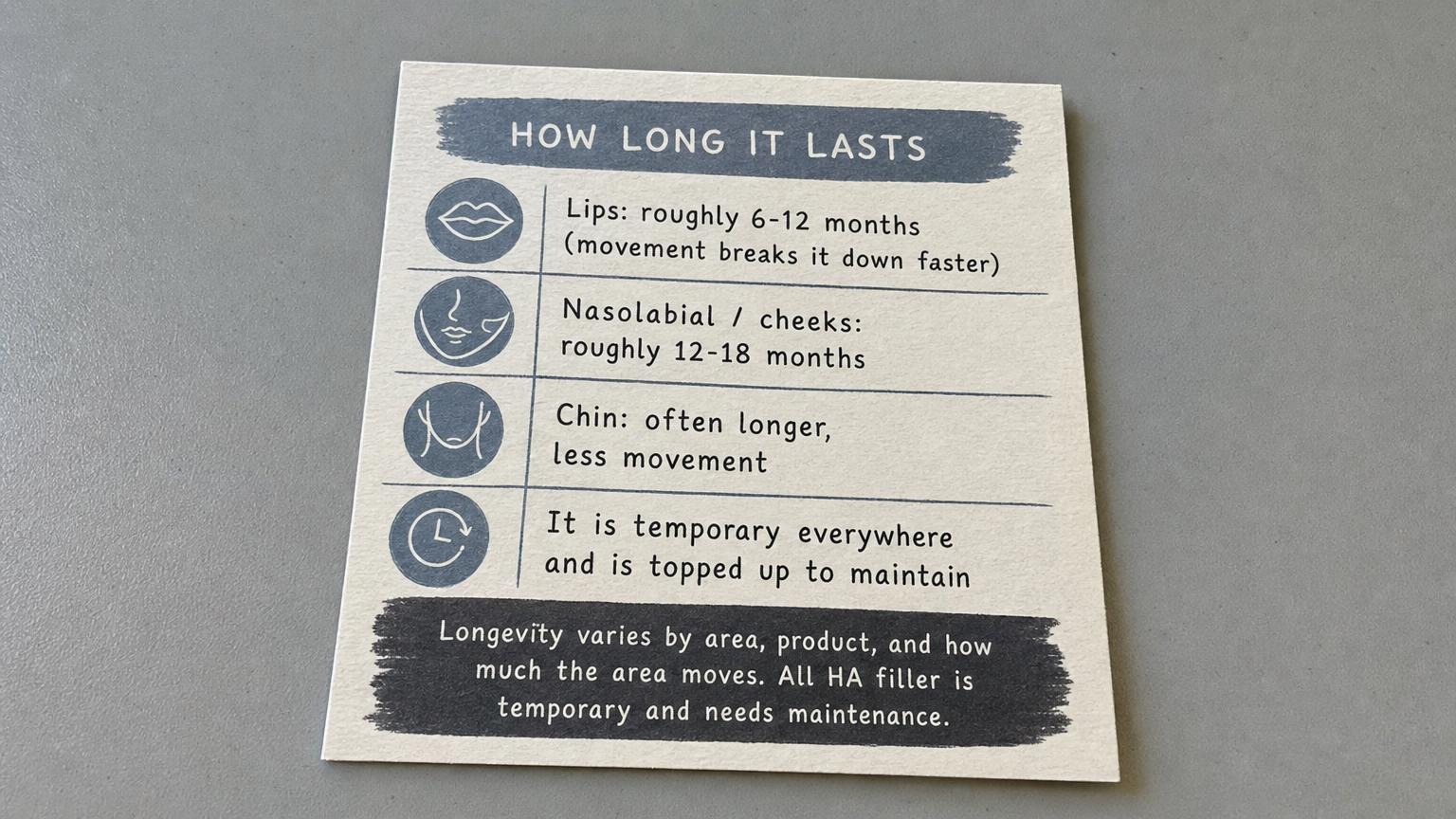
Longevity is one of the most common questions, and the honest answer is that it varies by area, product, and movement. Lip filler lasts roughly six to twelve months, breaking down faster because the lips move constantly. Nasolabial and cheek filler lasts roughly twelve to eighteen months. Chin filler often lasts longer because the area moves less. Across the board, HA filler is temporary everywhere and is topped up to maintain the result.
Recommended for Your Recovery
Products commonly used before and after Korean filler guide types areas longevity — same items routinely recommended in the recovery instructions Seoul clinics hand out at discharge.
- Arnica Montana Tablets — start 3 days before facial surgery to reduce bruising in the treated area. Check price on Amazon
- Silicone Scar Sheets — for procedures with visible incisions, apply from week 3 onward to support scar maturation. Check price on Amazon
- Beauty of Joseon Relief Sun SPF 50+ — daily Korean SPF 50+ to protect freshly treated facial skin. Check price on Amazon
- COSRX Advanced Snail 96 Mucin Power Essence — Korean snail mucin essence to support the post-procedure skin barrier. Check price on Amazon
As an Amazon Associate, GlobalBeautySpot earns from qualifying purchases at no extra cost to you.
This temporary nature is both a limitation and a feature. It means filler requires maintenance and ongoing cost, but it also means nothing is permanent, so an unwanted result fades or can be dissolved. Understanding that filler is an ongoing, adjustable treatment rather than a one-time permanent change sets the right expectation. The areas that move most need topping up soonest, which is worth knowing when you plan both your budget and your trips.
Safety Is the Real Question
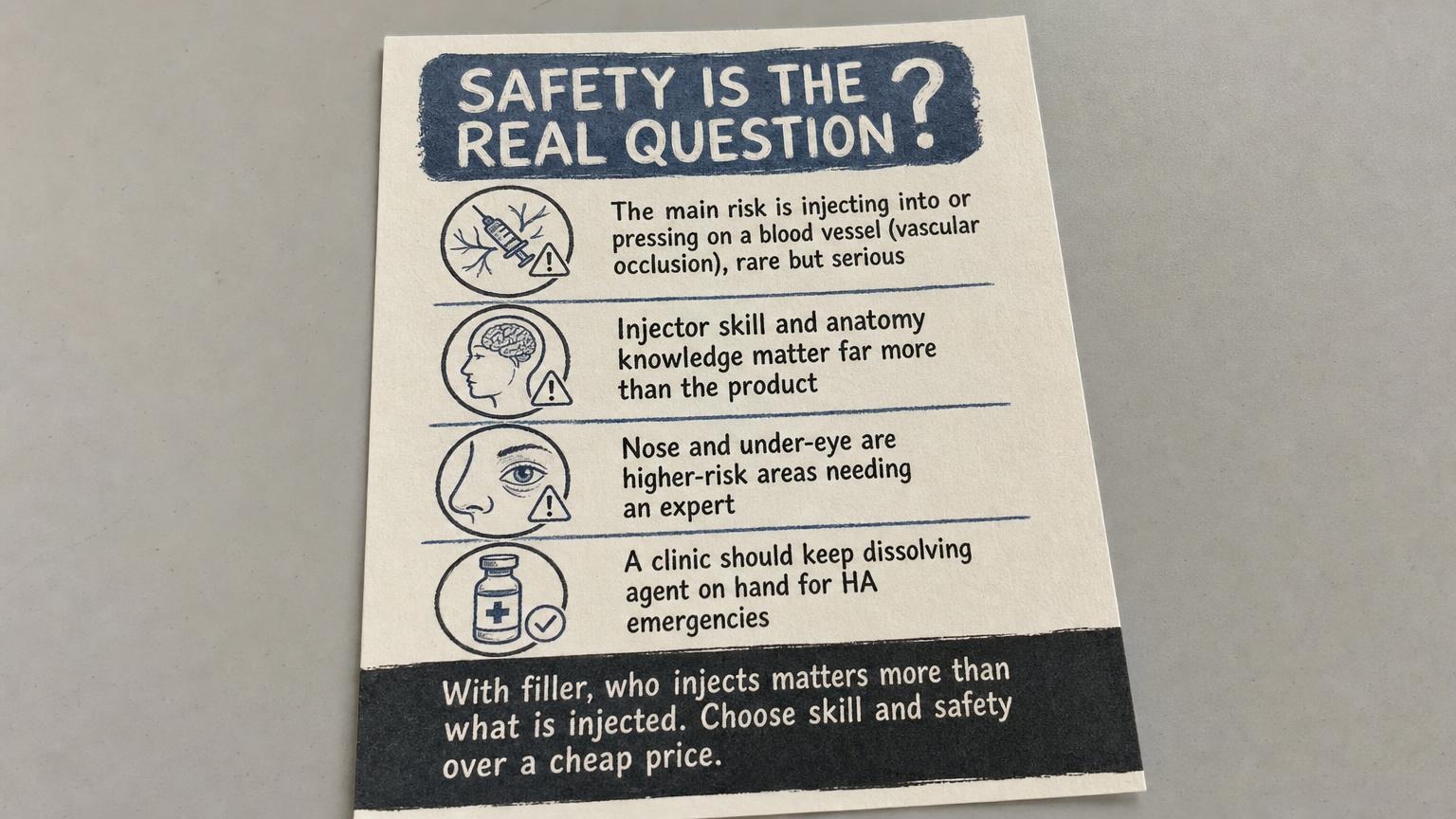
Of everything about filler, safety is what matters most, and it is the part bargain-seekers most often ignore. The main serious risk is filler being injected into or pressing on a blood vessel, called vascular occlusion, which is rare but can cause serious harm if mishandled. What protects against this is not the brand of filler but the injector’s skill and knowledge of facial anatomy, which matter far more than the product. The nose and under-eye are higher-risk areas where vessel-related complications are more likely, demanding genuine expertise.
A safe clinic also keeps the dissolving agent on hand to manage an HA emergency immediately. The single most important decision you make with filler is who injects it, not what is injected or what it costs. Choosing skill and safety over a cheap price is the entire lesson, because a bargain from an unskilled injector in a high-risk area is how the worst complications happen. With filler, who holds the needle is the question that matters.
Cost and How to Verify the Plan
Filler is priced per syringe or per area, and prices vary, but the cheapest deal is precisely where the risk concentrates, because skill and safety cost something. The realistic figure accounts for the area, the product, and ongoing maintenance, since filler is temporary. These costs are generally below the equivalent abroad, but the saving should never come from an unskilled injector. Paying for a skilled hand in a safe clinic is the part of the price you should not cut.

Before committing, five questions tell you whether a clinic prioritises safety or price. Who is injecting, and what is their experience, especially for a high-risk area like the under-eye or nose? Is the filler an HA that can be dissolved if needed, and is the dissolving agent kept on hand? Is the specific product matched to the specific area? How long will it last in my case, and what is the maintenance? And is the price suspiciously low, and if so, why? A clinic that leads with injector skill, area-matched products, and safety, not the lowest price, is the one to trust. For trip-planning details, visit Link Plastic Surgery’s official website.
Frequently Asked Questions
1. Are all fillers the same?
No. Most facial fillers are hyaluronic acid (HA), but they vary in thickness, soft for lips and fine lines, firm for cheeks and chin, and the product is matched to the area. Some fillers, like collagen stimulators, work differently and are not reversible. Using the wrong type in the wrong area is a common cause of poor results.
2. What is the safest type of filler?
Hyaluronic acid (HA) fillers are favoured partly because they are reversible, meaning they can be dissolved with an enzyme if there is a problem or unwanted result. This reversibility is a major safety feature. That said, safety depends far more on the injector’s skill and anatomy knowledge than on the product itself.
3. Which areas can be treated with filler?
Common areas include lips (soft HA), nasolabial folds (medium HA), cheeks (firm HA for support), and chin (firm HA for projection). The under-eye can be treated only with a thin, specialised HA and is an advanced, higher-risk area. The nose is also higher-risk. Each area needs a specific product and technique.
4. How long does filler last?
It varies by area and movement. Lips last roughly 6-12 months, breaking down faster because they move constantly; nasolabial folds and cheeks roughly 12-18 months; the chin often longer because it moves less. All HA filler is temporary and is topped up to maintain the result, so it is an ongoing treatment rather than permanent.
5. Is filler dangerous?
It is generally safe in skilled hands, but the main serious risk is filler being injected into or pressing on a blood vessel (vascular occlusion), which is rare but serious. The injector’s skill and anatomy knowledge are what protect against this, far more than the product. High-risk areas like the nose and under-eye demand real expertise.
6. Why is the under-eye filler considered advanced?
The under-eye has delicate skin, complex anatomy, and nearby vessels, so it requires a specific thin product and an expert technique. Done wrong, it can cause lumps, bluish discolouration, or vessel-related complications. It is one of the areas where injector skill matters most, and bargain or inexpert treatment most often goes wrong here.
7. Can filler be removed if I don’t like it?
If it is a hyaluronic acid (HA) filler, yes, it can be dissolved with an enzyme injection, which is a major safety advantage and one reason HA is so widely used. Non-HA fillers, such as collagen stimulators, are not reversible. This is why a clinic should keep the dissolving agent on hand for HA treatments.
8. Does the brand of filler matter most?
Less than people think. While quality products matter, the injector’s skill and knowledge of anatomy matter far more, especially in high-risk areas. A skilled injector with a standard product is safer than an unskilled one with a premium brand. Who injects is the most important decision, not which brand is used.
9. Why should I avoid the cheapest filler deal?
Because skill and safety cost something, and the cheapest deals often cut exactly there. Filler complications, especially vessel-related ones in high-risk areas, usually come from inexpert injection, not the product. A bargain from an unskilled injector in a delicate area is how the worst outcomes happen, so price should not be the deciding factor.
10. How do I plan filler treatment as an international patient?
Choose a clinic based on injector skill and safety, confirm the filler is reversible HA with dissolving agent on hand, and have the product matched to each area. Plan for maintenance since filler is temporary, and treat high-risk areas like the under-eye only with an expert. For scheduling details, visit Link Plastic Surgery’s official website.