She came to Seoul for forehead botox and left with a treatment plan she had never imagined: a small amount in her jaw muscle to slim a square jawline, a touch in her shoulders to ease the bulky trapezius that made her neck look short, and a note to consider it for the excessive underarm sweating that had bothered her for years. She had thought botox was only for wrinkles. The clinician explained that it is really a way to relax an overactive muscle or reduce a gland’s activity, and wrinkles are simply the most famous of many uses. The consultation at Link Plastic Surgery often starts by explaining what the treatment actually does, because that opens up far more than line-smoothing.
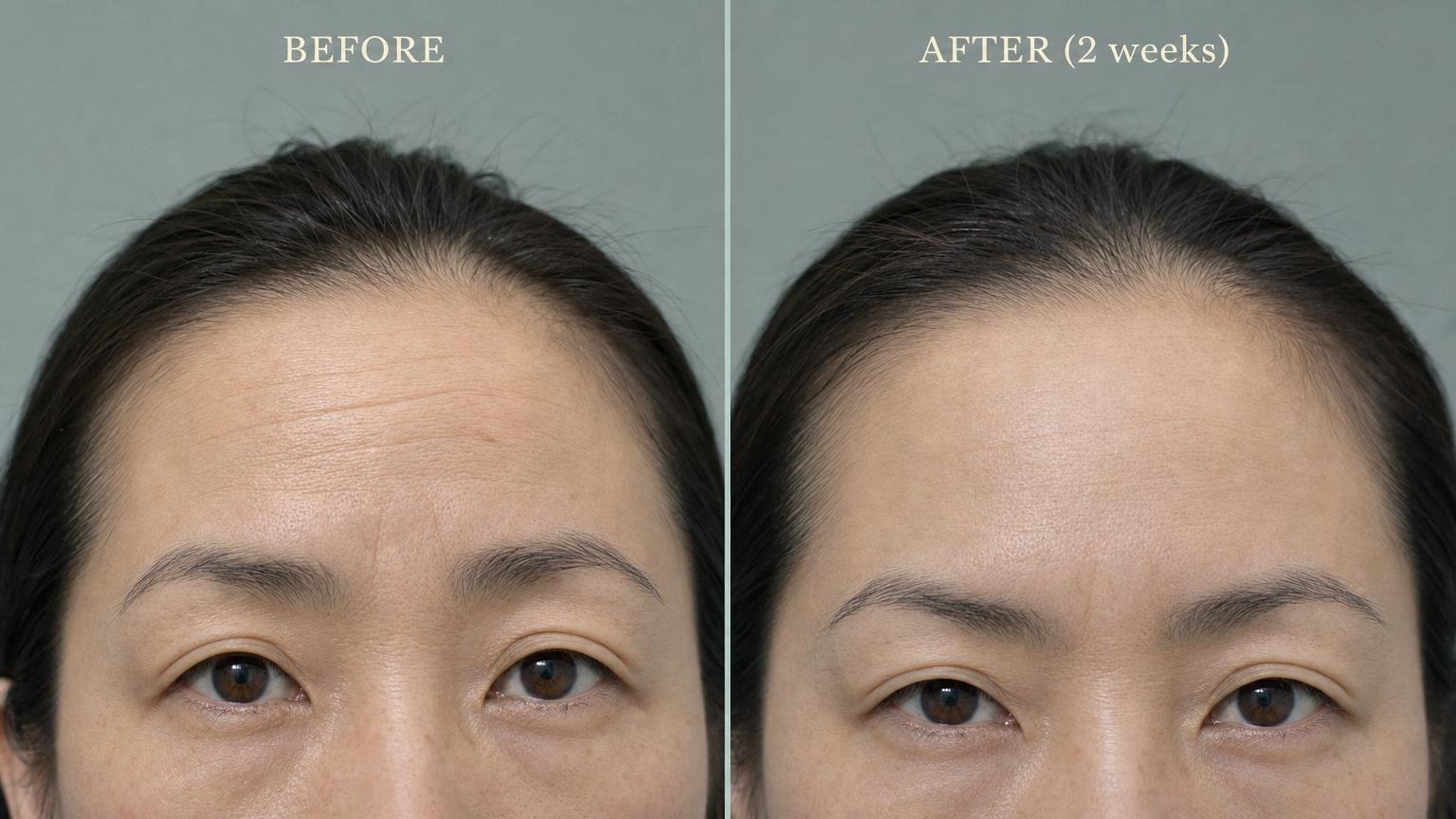
Botox is among the most familiar treatments foreign patients know, and almost everyone associates it with facial wrinkles. But that is only one application of a treatment whose real action is relaxing a specific muscle or reducing a gland’s activity, and Korean clinics use it across a surprisingly wide range of cosmetic and functional concerns. Understanding what it actually does, and the many things that follow from that, reveals uses most people never consider.
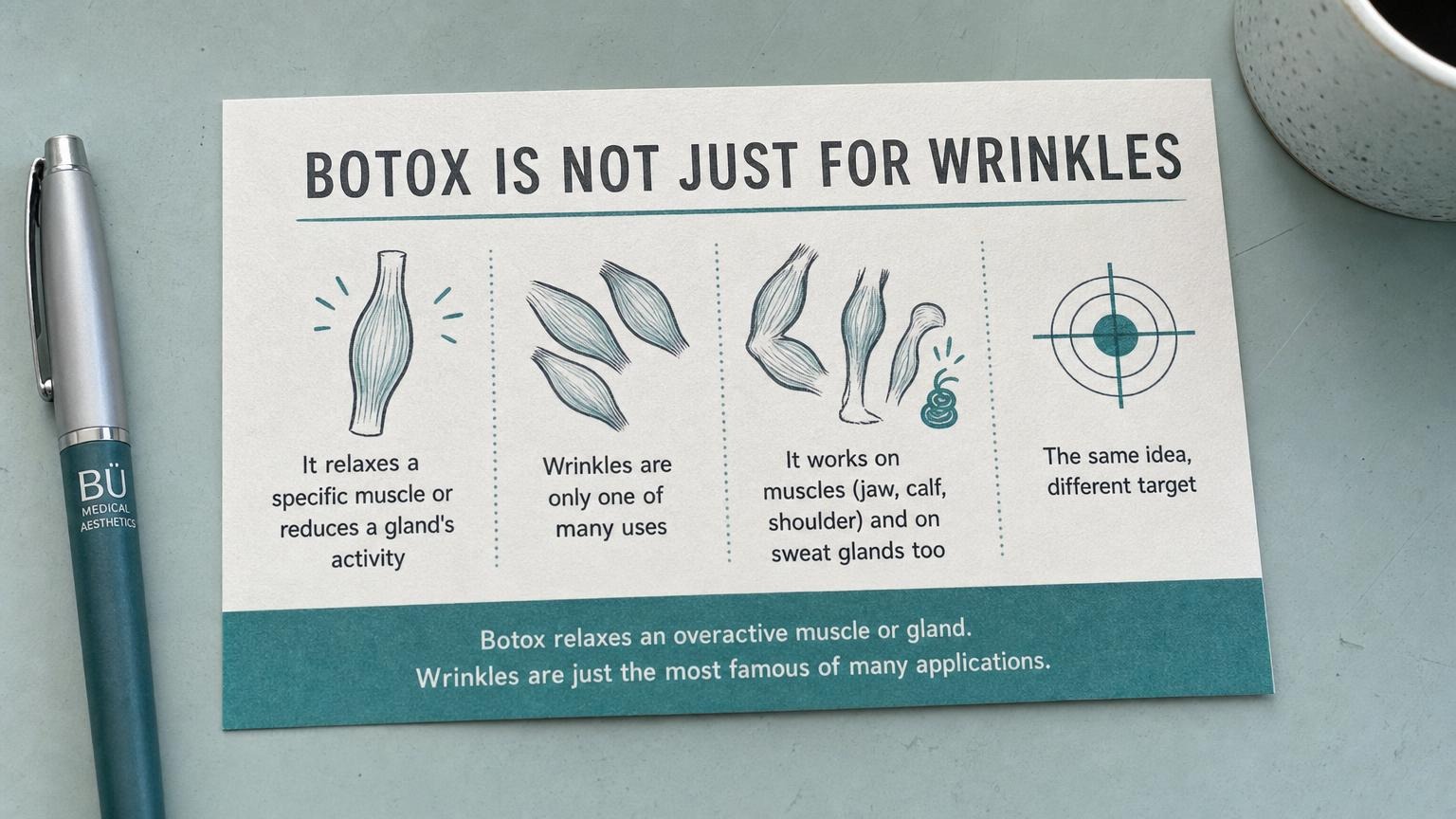
Botox Is Not Just for Wrinkles
The key to understanding botox’s range is grasping what it fundamentally does: it relaxes a specific overactive muscle, or reduces the activity of a sweat gland. Wrinkles caused by repeated muscle movement are softened because the muscle is relaxed, but that same muscle-relaxing action applies anywhere a muscle is overactive, and the gland-calming action applies to sweating. So wrinkles are only one of many uses, not the whole picture. It works on muscles in the jaw, calf, and shoulder, and on sweat glands, all from the same basic idea aimed at a different target.
Once you see it this way, the breadth makes sense: any concern caused by an overactive muscle or gland is a potential application. This is the same matched-tool logic that runs through Korean petit treatments generally, where understanding the mechanism opens up the right uses. Botox is best understood not as a wrinkle product but as a precise way to quiet an overactive muscle or gland.
Cosmetic Uses Beyond Lines
On the cosmetic side, the uses extend well past expression lines. Expression lines on the forehead, between the brows, and at the corners of the eyes are softened, ideally without freezing the face. The jaw muscle, the masseter, can be relaxed to slim a square jaw over several weeks, one of the most popular non-surgical face-slimming uses. The shoulder muscle, the trapezius, can be relaxed to soften a bulky shoulder line and lengthen the neck’s appearance. The calf muscle can be softened for a slimmer lower-leg shape. And a gummy smile can be improved by relaxing the muscle that lifts the lip too high, reducing gum show.
These uses share the same principle of relaxing an overactive muscle, applied to different areas of the body for an aesthetic effect. The jaw-slimming use in particular is a cornerstone of Korean face contouring without surgery. Each is dosed and placed for the specific muscle and goal, which is why they are best done by someone experienced with the full range rather than just facial lines. The breadth of these applications is part of why botox anchors so many Korean cosmetic plans.

Functional Uses
Beyond appearance, the same action treats genuinely functional concerns. Excessive sweating, known as hyperhidrosis, of the underarms or palms is reduced by calming the sweat glands, a use that can be life-changing for people who struggle with it. Teeth grinding and clenching, known as bruxism, is eased by relaxing the overactive jaw muscle responsible, which can relieve jaw tension and protect the teeth, with the added cosmetic benefit of slimming the jaw. And tension from an overworked muscle can be eased in the same way.
Recommended for Your Recovery
Products commonly used before and after Korean botox beyond wrinkles uses guide — same items routinely recommended in the recovery instructions Seoul clinics hand out at discharge.
- Arnica Montana Tablets — start 3 days before facial surgery to reduce bruising in the treated area. Check price on Amazon
- Silicone Scar Sheets — for procedures with visible incisions, apply from week 3 onward to support scar maturation. Check price on Amazon
- Beauty of Joseon Relief Sun SPF 50+ — daily Korean SPF 50+ to protect freshly treated facial skin. Check price on Amazon
- COSRX Advanced Snail 96 Mucin Power Essence — Korean snail mucin essence to support the post-procedure skin barrier. Check price on Amazon
As an Amazon Associate, GlobalBeautySpot earns from qualifying purchases at no extra cost to you.
These functional uses show that botox is not purely cosmetic; the same muscle- and gland-relaxing action that softens a line also reduces sweating and relieves clenching. Many people are surprised that a treatment they associate with appearance can address a sweating or grinding problem they have lived with for years. A clinic experienced across these uses can often solve more than the patient came in for, as in the case of the woman whose forehead consultation uncovered solutions for her jaw, shoulders, and sweating.

Natural, Not Frozen
Across all these uses, the goal is a softened or relaxed result, not a frozen or obvious one. For facial lines especially, the dose and placement are matched to you so that expression is preserved; the aim is softened, not frozen or shiny-tight. Results build over a few days rather than instantly, and they are temporary everywhere, repeated to maintain. The frozen, expressionless look that botox is sometimes blamed for comes from too much product or poor placement, not from the treatment itself.
This is why an experienced, conservative hand matters as much here as with any treatment. Done well, botox softens lines or slims a muscle while you still look entirely like yourself, with natural movement intact. The temporary nature is also reassuring: an unwanted result fades, and the dose can be refined next time. A clinic that aims for natural softening rather than a maximally frozen look, in the same spirit as the broader range of Korean petit treatments, is the one delivering the result most patients actually want.

Cost and How to Verify the Plan
Botox is priced by area and by the amount used, so a forehead treatment, jaw slimming, shoulder relaxation, and sweating treatment each carry their own cost, and the amount needed varies by muscle size. Because it is temporary, the realistic figure is the maintenance over time, typically repeated every few months for cosmetic uses. These costs are generally below the equivalent abroad, which is part of why combined botox plans are popular on Seoul trips.

Before committing, five questions tell you whether a clinic understands the full range or just does foreheads. Is the clinician experienced with the specific use I want, whether jaw, shoulder, calf, or sweating? Will the dose and placement preserve natural expression rather than freeze it? How long will it last for my specific use, and what is the maintenance? Could other concerns of mine, such as clenching or sweating, also be addressed? And is the plan conservative, aiming for natural softening? A clinician fluent across cosmetic and functional uses, who aims for natural results, is the one to trust. For trip-planning details, visit Link Plastic Surgery’s official website.
Frequently Asked Questions
1. What can botox treat besides wrinkles?
A great deal. Because it relaxes an overactive muscle or reduces a gland’s activity, it is used to slim the jaw muscle, soften a bulky shoulder, slim a muscular calf, improve a gummy smile, reduce excessive sweating, and ease teeth grinding, in addition to softening expression lines. Wrinkles are only the most famous of many uses.
2. How does botox slim a square jaw?
By relaxing the masseter, the jaw muscle that can become overdeveloped from clenching or grinding and make the lower face look square. As the muscle relaxes over several weeks, it slims, tapering the jawline. This is one of the most popular non-surgical face-slimming uses, and it has the bonus of easing clenching if that is present.
3. Can botox help with excessive sweating?
Yes. For hyperhidrosis, botox calms the sweat glands in areas like the underarms or palms, significantly reducing sweating for a period before it is repeated. For people who struggle with excessive sweating, this functional use can be genuinely life-changing, and it comes from the same gland-calming action, not a separate treatment.
4. Does botox help with teeth grinding?
It can. Relaxing the overactive jaw muscle responsible for clenching and grinding (bruxism) eases the tension and can protect the teeth, while also slimming the jaw as a cosmetic bonus. It is a functional use of the same muscle-relaxing action, and people who grind their teeth often appreciate both the relief and the slimming.
5. Will botox freeze my face?
It should not, when done well. The frozen, expressionless look comes from too much product or poor placement, not from botox itself. With the dose and placement matched to you, expression is preserved and the result is softened rather than frozen. An experienced, conservative hand is what keeps it natural while still smoothing lines.
6. Can botox slim my shoulders or calves?
Yes, using the same principle. Relaxing the trapezius (shoulder) muscle can soften a bulky shoulder line and make the neck look longer, and relaxing the calf muscle can slim a muscular lower leg. These body uses are dosed for the larger muscles involved and are best done by someone experienced with them, not just facial botox.
7. How long does botox last?
It is temporary everywhere, typically lasting a few months for cosmetic facial uses before being repeated, with body-muscle and sweating uses sometimes lasting longer. Results build over a few days rather than instantly. Because it is temporary, it requires maintenance, but it also means any result fades and the dose can be refined over time.
8. What is a gummy smile treatment with botox?
A gummy smile, where a lot of gum shows when smiling, can be improved by relaxing the muscle that lifts the upper lip too high, so the lip lifts less and less gum shows. It is a subtle, precise use of the muscle-relaxing action, and it is temporary, repeated to maintain the effect, like other botox uses.
9. Is botox safe for all these uses?
Botox is a well-established treatment across these cosmetic and functional uses when administered by an experienced clinician at appropriate doses. As with any treatment, the right dose, placement, and an experienced hand matter, particularly for body muscles and functional uses. The temporary nature also means results, wanted or not, do not last indefinitely.
10. How do I plan botox treatment as an international patient?
Have a consultation that explores not just the wrinkles you came for but any other concerns, such as jaw slimming, shoulder relaxation, sweating, or clenching, that the same treatment can address. Confirm the clinician is experienced with your specific use and aims for natural results. For scheduling details, visit Link Plastic Surgery’s official website.