The Photos Clinics Show You Are Cherry-Picked. Here’s What Each Day Actually Looks Like.
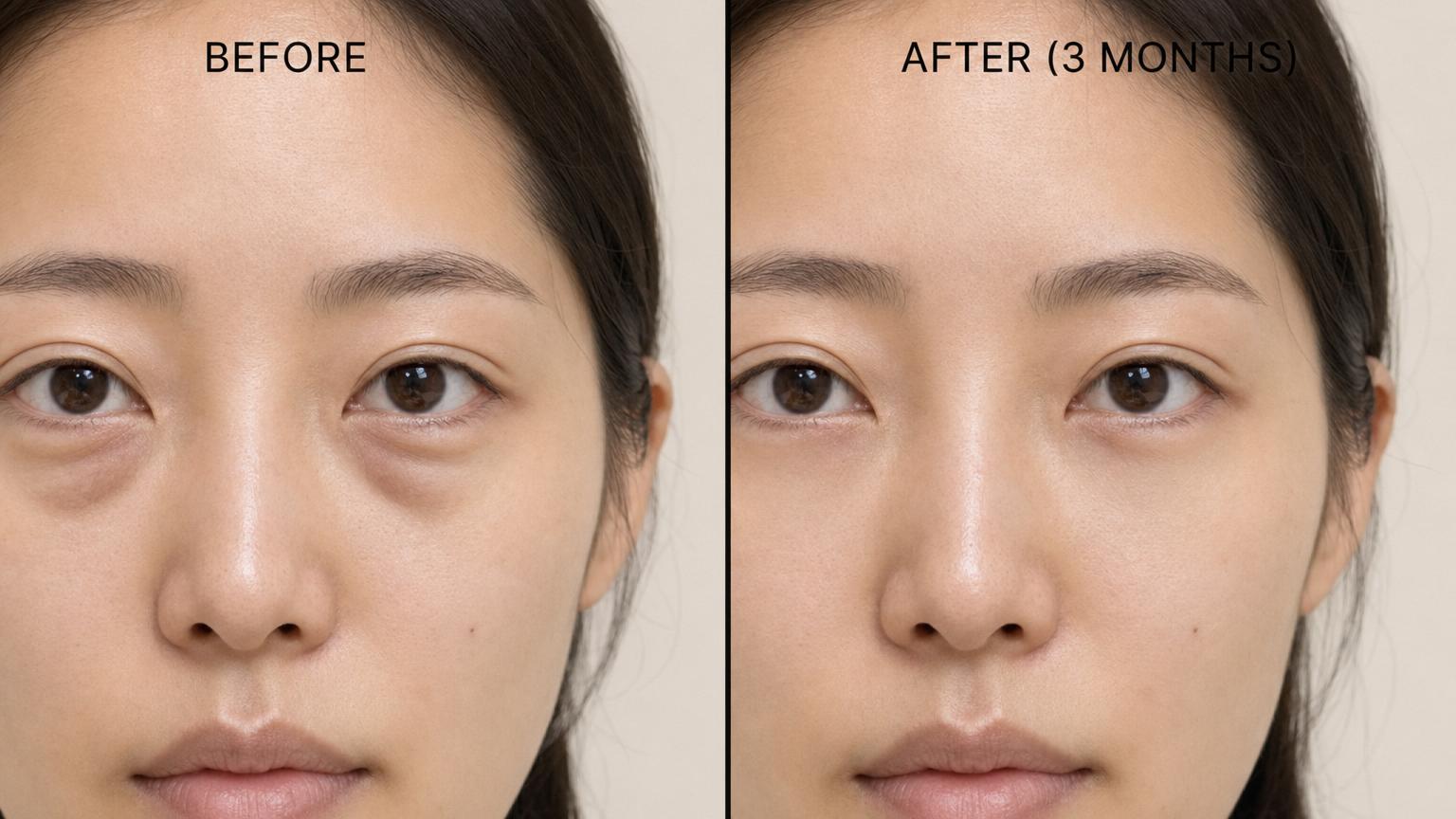
Every Korean clinic posts the three-month after-photo. Smooth lid-cheek transition, no swelling, glowing skin. That photo is real. It just leaves out the eight weeks of looking like you lost a fight that came before it.
If you are flying in from another country, the timeline you actually need is the one nobody publishes — what your face looks like on day one when the swelling is at its worst, on day seven when most patients quietly slip back into the office, and on day fourteen when makeup finally covers the last yellow bruise. This guide walks through each of those days with photo references and timing notes from real Korean patients.
- Day 1 is uncomfortable but not painful — heavy swelling, eyes feel pressured, no incision pain because the local anesthetic blocks it.
- Day 2–3 is the worst visible day — bruising peaks, swelling tightest, you will text a friend a panicked photo.
- Day 7 is when most Korean patients return to office work, often wearing sunglasses for the commute. Bruising has shifted from purple to yellow.
- Day 14 is when light makeup makes you look mostly normal again. Concealer covers what is left.
- Month 1 is when the result starts to look like the result. Friends say you look “rested” without knowing why.
- Month 3 is the final settled outcome — the photo the clinic actually publishes.
- Plan to fly home no earlier than day 7. Day 5 is technically possible but you will be uncomfortable in airport lighting.
Day 0 to Day 3 — The Days That Look Worse Than They Feel
This is the stretch most patients underestimate. Pain is genuinely minimal because the procedure is fast and the local anesthetic blocks discomfort for hours afterward. The visual is the part that catches people off guard.
Day 0 — surgery day
You arrive at the clinic, change into a gown, and meet the surgeon for the final design check. The under-eye fat repositioning procedure itself takes about thirty minutes. Korean clinics use IV sedation paired with local anesthetic — you sleep through it and wake up groggy with cold compresses already on your eyes.
You leave the clinic about an hour after the surgery ends. No bandages, no eye patches, just antibiotic eye drops and an ice pack schedule. You can see, but everything is slightly blurry from the ointment.
Day 1 — the morning after
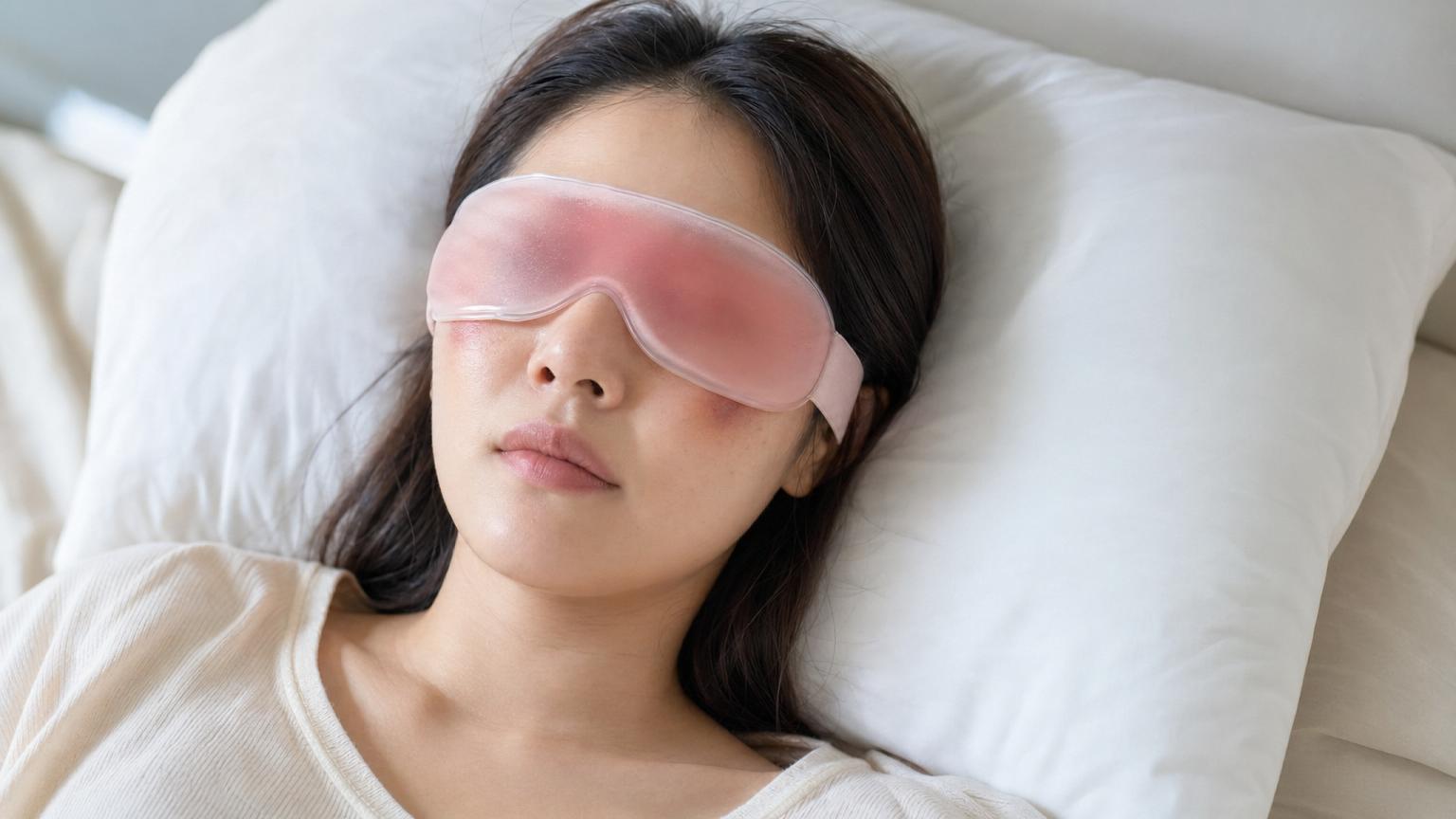
You wake up to puffy eyelids that feel heavy. Vision is fine but the area feels tight. The pressure sensation is the dominant feeling, not pain. Most patients describe it as “wearing swim goggles too tight” rather than discomfort.
The icing schedule starts now — every two hours during waking hours, ten to fifteen minutes per session, for the first 48 hours. This is the single most important thing you can do for your recovery.
Cafe reviews from Link Plastic Surgery patients consistently emphasize the icing protocol pays off — one Day-7 review explicitly noted that following the post-op care instructions made bruising and swelling come down faster than expected.
Day 2 to Day 3 — peak swelling, peak panic
This is the worst-looking day. Bruising peaks. The lower lids are visibly puffy. Color shifts from a faint pink at hour 24 to a real purple-blue by hour 60. You will look in the mirror and quietly panic.
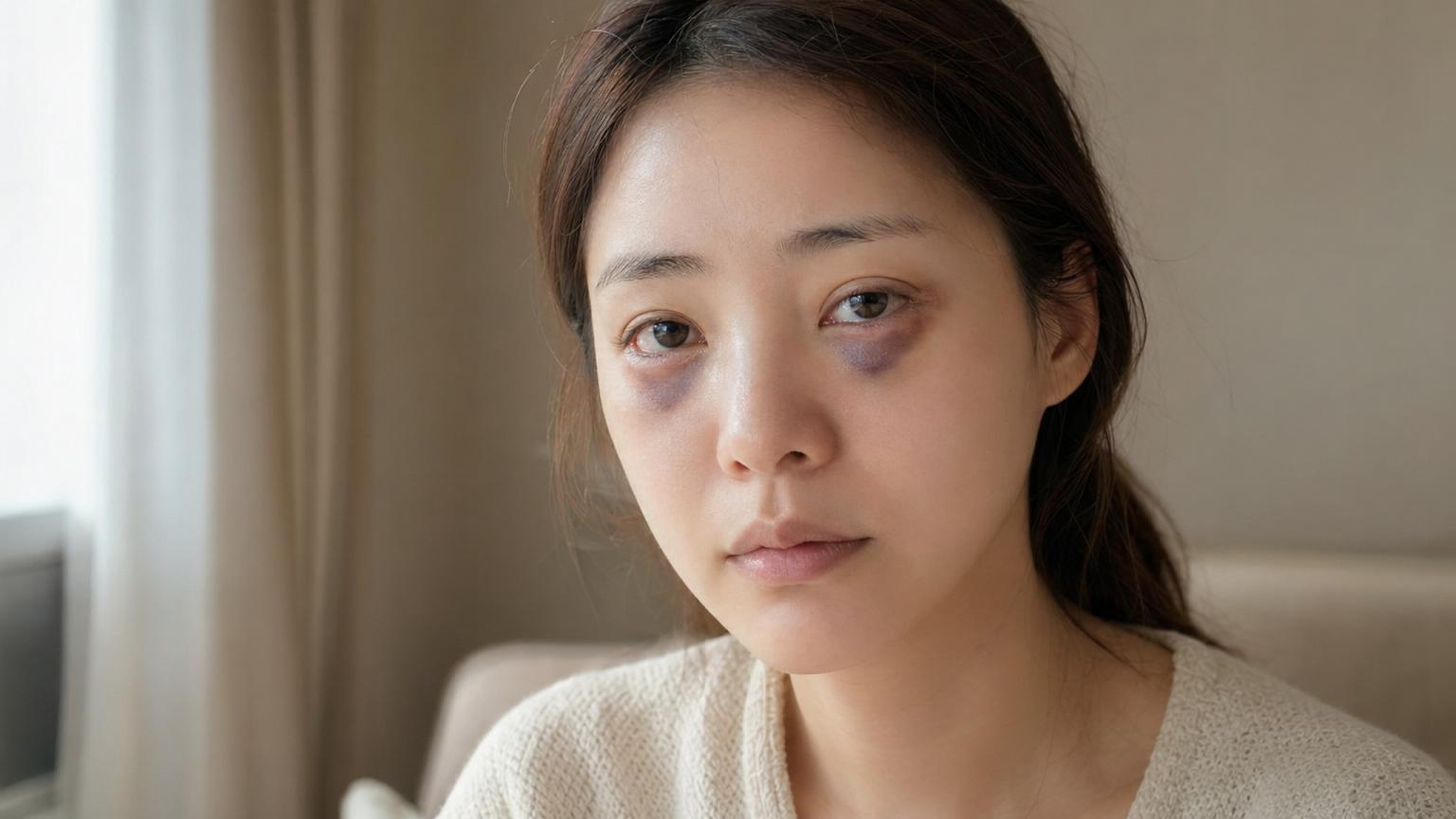
Do not panic. This is the body doing exactly what it is supposed to do. Blood vessels that were disturbed during the repositioning are leaking small amounts into surrounding tissue and the body is starting cleanup. The lymphatic system has not caught up yet, which is why the swelling looks worst now and starts dropping fast on day four.
Sleep with your head elevated on two pillows. Keep icing every two hours. Avoid bending forward, no hot showers, no alcohol, no salty food. The first 72 hours are the period where you can either accelerate or slow your own recovery by twenty percent.
Day 4 to Day 14 — The Social Recovery Window
Day four is when patients consistently report feeling “okay enough to do something other than ice my face.” Bruising starts shifting color from purple to yellow-green, swelling drops noticeably, and the worst is behind you.
Day 4 to Day 6 — the slow return to feeling normal
You can read, work on a laptop, take walks. The swelling is now perhaps half of what it was on day two. The under-eye area still looks darker than usual, but it stops looking alarming.
Most Korean patients use this stretch to catch up on home tasks, light video calls, and the kind of work that does not require leaving the house. International patients flying out around day five often do so wearing sunglasses for the entire airport experience and are functional but not photogenic.
Day 7 — back to work, with sunglasses

This is the day Korean patients consistently return to their normal lives. Office work, coffee meetings, errands. Bruising has shifted to yellow-green and is mostly hidden by sunglasses outdoors and concealer indoors. Swelling is down to a level a stranger would not notice.
Multiple Day-7 reviews from a Korean clinic community describe the same pattern — back to office work without major adjustment, the under-eye looking lighter than before surgery, the face looking “brighter overall.” One review at the seven-day mark noted simply that the recovery had been faster than expected and the results were already visible enough to justify the choice.
If you are flying internationally, this is the realistic earliest day. Day five is possible but uncomfortable. Day seven is comfortable.
Day 8 to Day 14 — light makeup, mostly normal
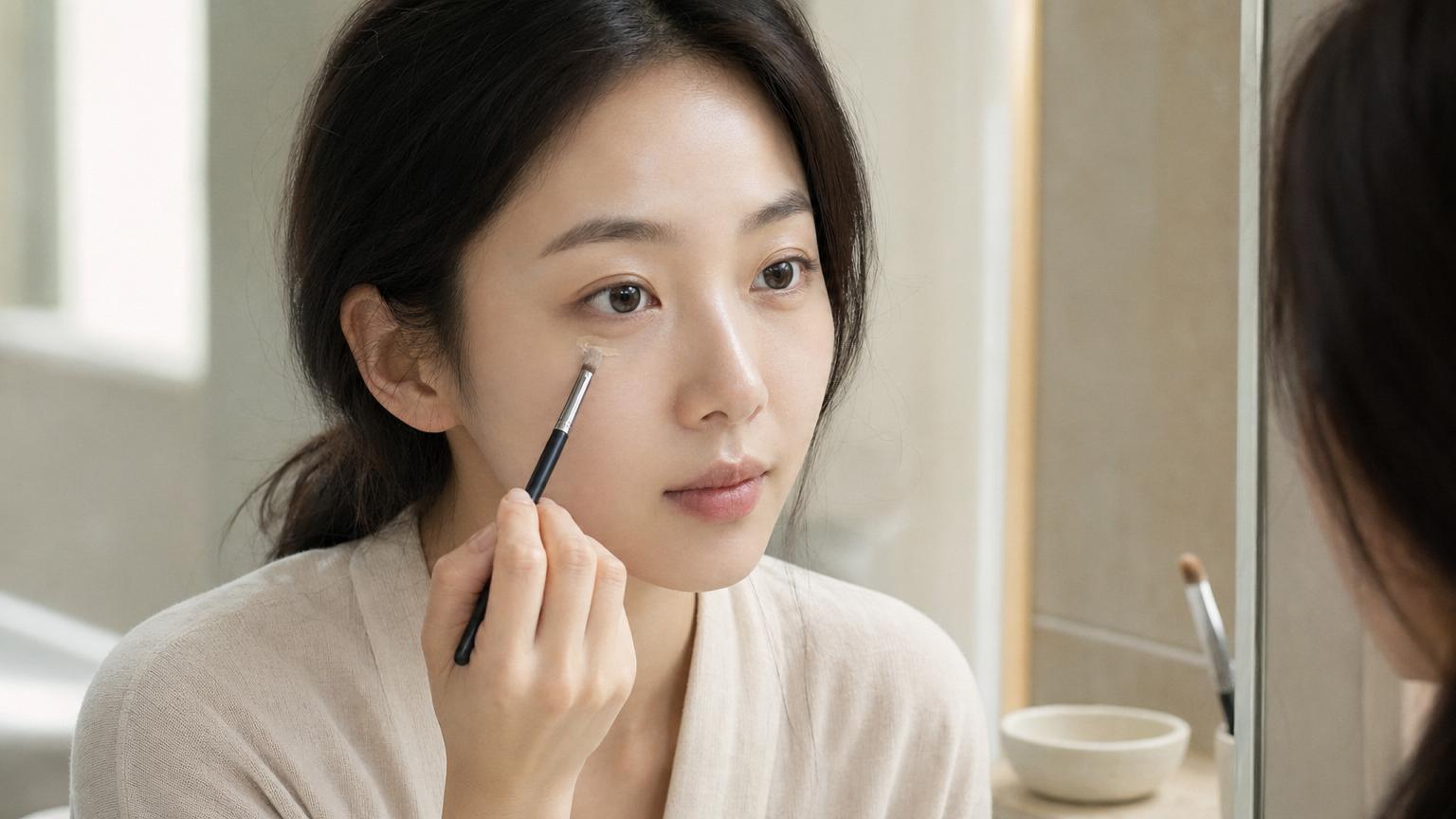
Around day ten to fourteen, light makeup becomes practical. Concealer covers the residual yellowing. The shape of the under-eye is starting to settle into its new contour, though there is still about thirty percent more swelling than the final result.
This is the period where you start looking at yourself and feeling cautious optimism — the result is becoming visible, the bruising is mostly gone, and you start noticing the under-eye looks different in a good way. Asymmetry is still common at this stage and resolves over the next few weeks.
Month 1 to Month 3 — Where the Result Settles
The dramatic visible recovery is over by week three. From there, the changes are slower and more about refinement than restoration.
Month 1 — the result starts looking like the result
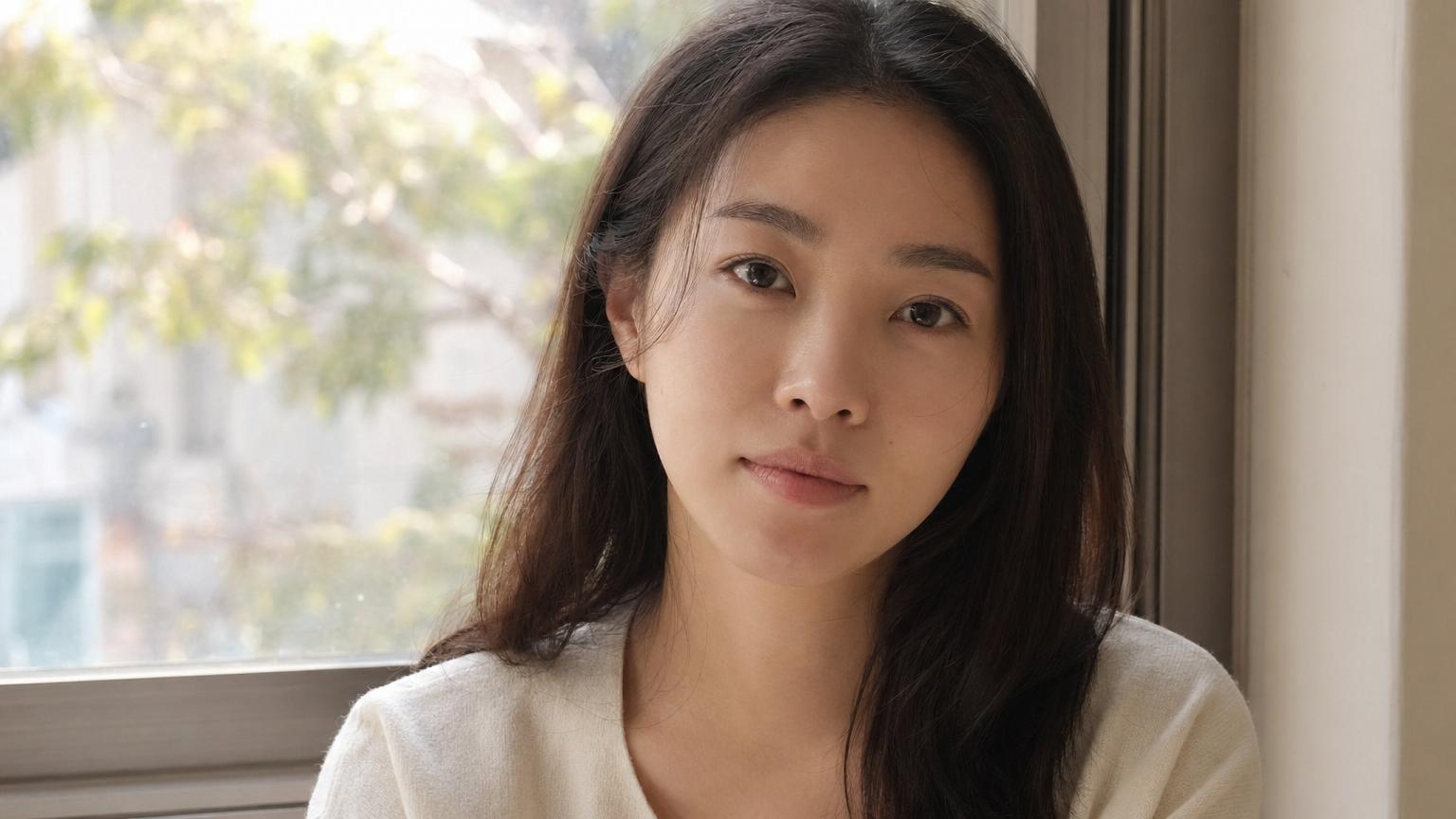
By the one-month mark, swelling is largely resolved. The lid-cheek transition is starting to look natural. Bruising is gone. Friends will tell you that you look “rested” or “different in a good way” without being able to point at exactly what changed.
This is also when patients can return to most exercise. Light cardio is fine earlier (after week two), but lifting weights or anything that raises blood pressure significantly should wait until week four or beyond. Yoga inversions, sauna, and heavy heat exposure also wait until week four.
Korean cafe reviews at the one-month timeline consistently use the same descriptor — “the face looks brighter, the eyes look bigger, but it does not look like surgery.” That is the goal of fat repositioning specifically. Restoration without obvious change.
Month 3 — the final result
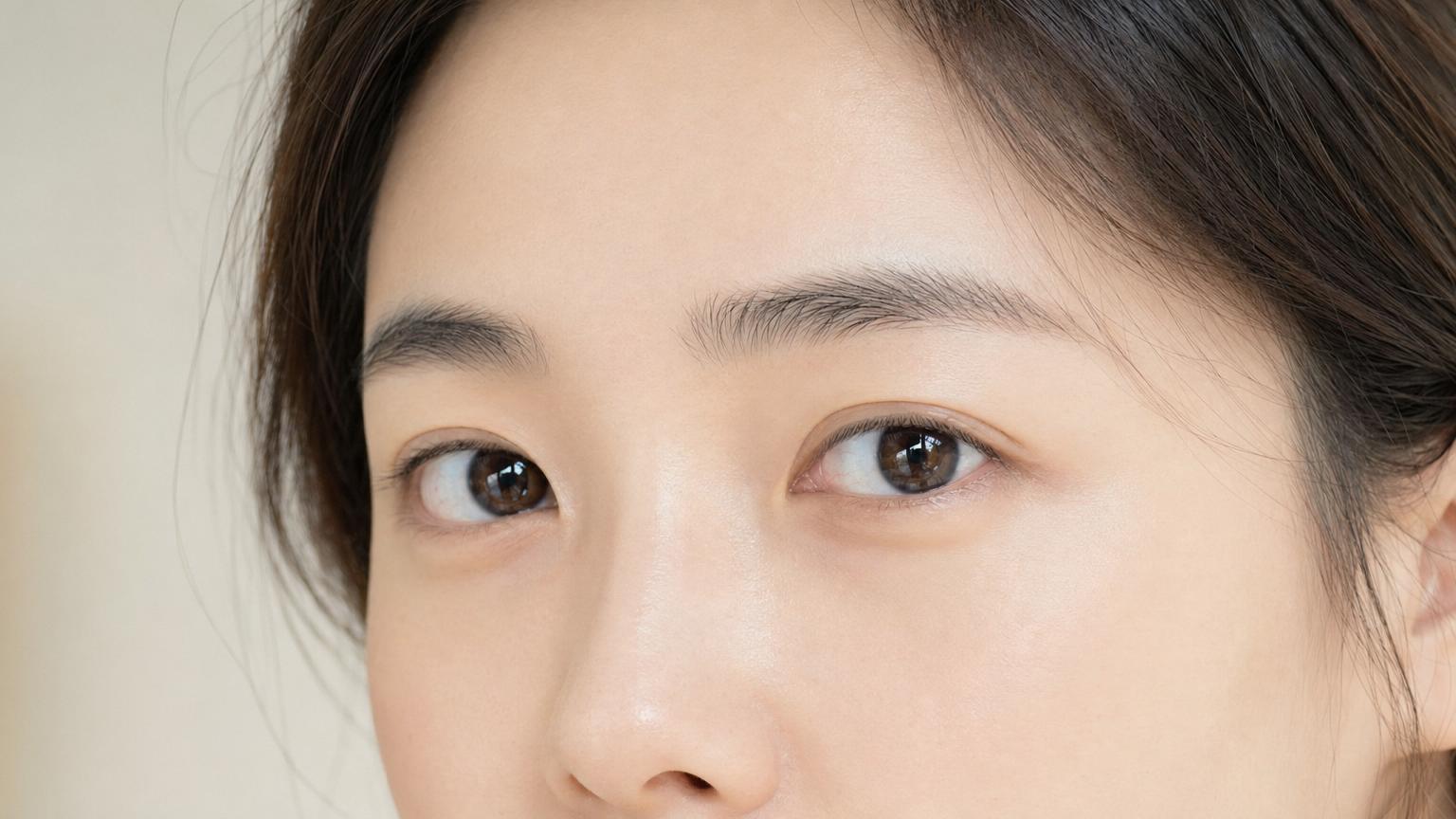
This is the photo the clinic publishes. The lid-cheek transition is fully settled. Any minor asymmetry from the early weeks has resolved. The repositioned fat has integrated and is now functioning as a long-term volume cushion.
By month three the under-eye area looks subtly but unmistakably better. Most patients describe it as looking “less tired” rather than “younger” — and that distinction is exactly what makes the procedure feel natural.
Adding fat grafting — when one procedure is not enough
For patients with deeper hollowing or generalized facial volume loss — common in patients in their late forties and beyond, or in very thin younger patients — the surgeon may recommend combining fat repositioning with harvested fat grafting. The repositioning fixes the lid, the grafting fills in adjacent areas (temples, midface, deeper tear trough territory).
One patient case I followed online described going in for a standard under-eye consultation and leaving with a combined repositioning plus full-face grafting plan, after the surgeon walked through her photos and showed where she had volume loss beyond the lid alone. A separate two-week post-op update from a similar combined case described the same trajectory — slower initial recovery but more dramatic final result.
If your concern is more than just the under-eye and the face overall feels deflated, ask specifically about combining the procedures during consultation. Adding the grafting at the same time costs less than doing two separate surgeries.
Recommended for Your Recovery
Products patients commonly use during the day-by-day recovery window — same items routinely included in the post-op kits Seoul clinics hand out at discharge.
- Arnica Montana Tablets — start 3 days before surgery to reduce bruising and post-op swelling around the periorbital area. Check price on Amazon
- Gel Eye Mask (Cold Compress) — reusable cold pack shaped to the eye area for the every-two-hour icing schedule on day 1 to day 3. Check price on Amazon
- COSRX Snail Mucin Essence — gentle hydration safe for the delicate skin around healing eyelids from week one onward. Check price on Amazon
- Beauty of Joseon Relief Sun SPF 50+ — lightweight Korean sunscreen critical for the healing under-eye area to prevent post-inflammatory pigmentation. Check price on Amazon
As an Amazon Associate, GlobalBeautySpot earns from qualifying purchases at no extra cost to you.
Frequently Asked Questions
What is the worst day visually?
Day two or three. Bruising peaks, swelling is tightest, and the color shifts from pink to a real purple. After day four it gets better fast. If you are looking at yourself on day three and feeling alarmed, that is the universal experience and not a sign anything went wrong.
When can I fly home internationally?
Day seven is the realistic comfortable day. Day five is technically possible but you will look puffy in airport lighting and feel uncomfortable in cabin pressure. Stay an extra two days if you can. Bring sunglasses regardless.
How long until I can wear contact lenses again?
Most surgeons say day five at the earliest, though some recommend waiting until day seven. The transconjunctival approach goes through the inner conjunctiva so there is a healing membrane involved. Stick to glasses for the first week if you have the option.
When can I exercise?
Light walking from day one. Light cardio from week two. Any exercise that significantly raises heart rate or blood pressure (running, weights, hot yoga) should wait until week four. Yoga inversions and saunas wait until week four as well.
Will I have any visible scars?
Transconjunctival fat repositioning has no external incision — the scar is on the inner side of the lower lid, hidden inside. There is nothing visible from any external angle. If your surgery was lower blepharoplasty (different procedure), there is a thin lash-line scar that fades over three to six months.
What if my eyes look asymmetric at week two?
Almost universal at week two and resolves over the next two to four weeks. The two sides do not always heal at exactly the same rate. If asymmetry persists past two months, mention it at your follow-up — most clinics will see you back without charge to assess whether anything needs adjustment.
Can I make a follow-up appointment if I have already flown home?
Established Gangnam clinics — including Link Plastic Surgery — offer remote follow-up consultations through KakaoTalk or WhatsApp with photos sent at predetermined intervals (typically week one, month one, month three). It is not a substitute for an in-person check but it covers most concerns that come up during recovery.
If something specific worries you mid-recovery, photograph it in good daylight and send it. Most concerns are normal recovery patterns and a quick reply will tell you so.