Two patients walked into the same Seoul clinic in the same week with almost opposite problems. One was twenty-four and wanted a long list of procedures she had seen on social media, most of which she did not remotely need yet. The other was forty-six and wanted a single skin-boosting injection to fix sagging that had long since moved past what an injection could touch. Neither was wrong to be there. Both had simply misjudged what their decade actually called for. The most useful thing a good surgeon told each of them was not which procedure to book, but which ones to skip. The consultation at Link Plastic Surgery tends to start with that same question: not what is possible, but what actually fits where you are now.
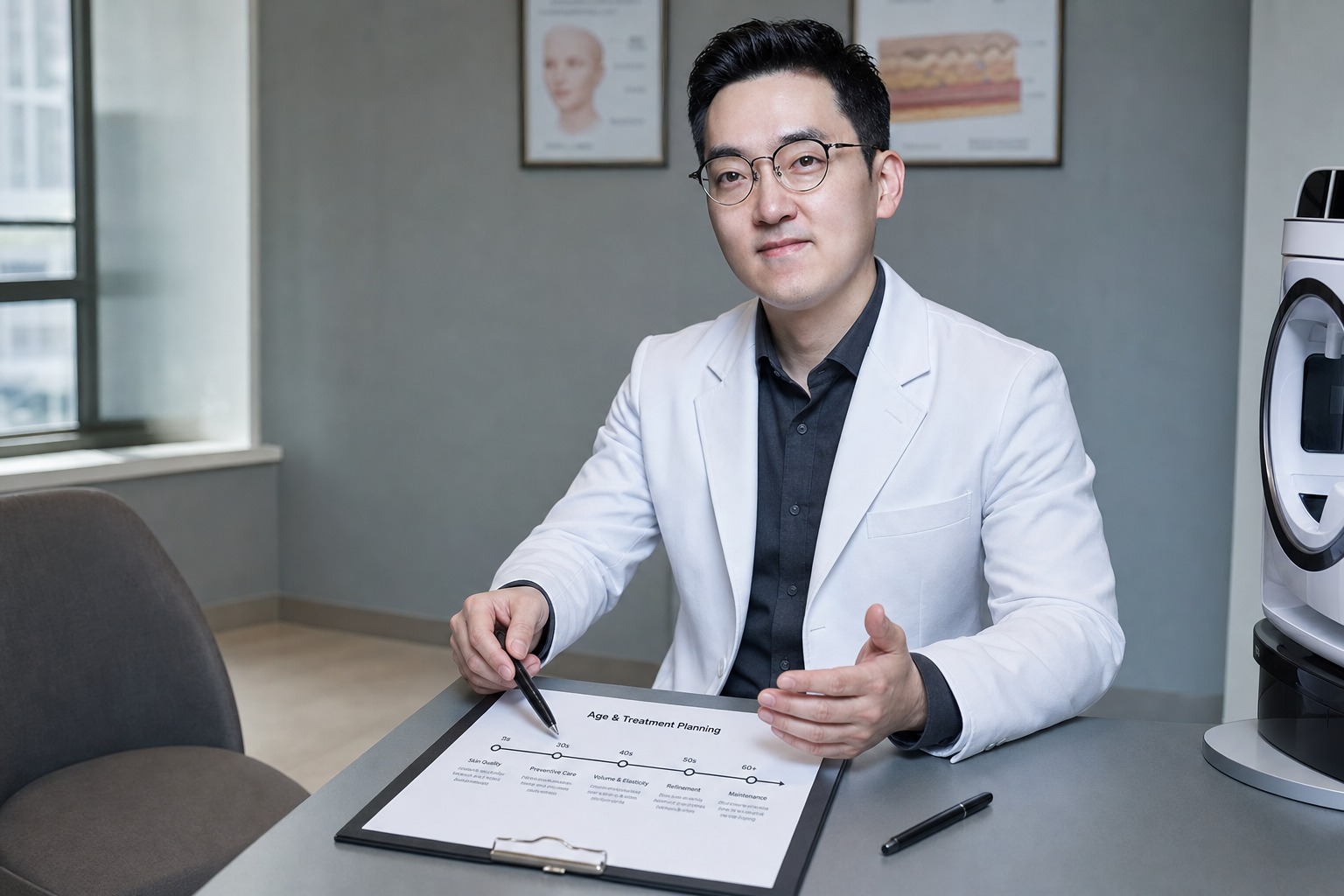
Korean clinics treat cosmetic work as something that changes shape across a lifetime, not a fixed menu you order from at any age. What makes sense in your twenties is often the opposite of what makes sense in your forties, and the most common and expensive mistakes come from applying one decade’s thinking to another. This guide walks through what each decade actually calls for, so that international patients can arrive with a realistic sense of priorities rather than a screenshot of trends.

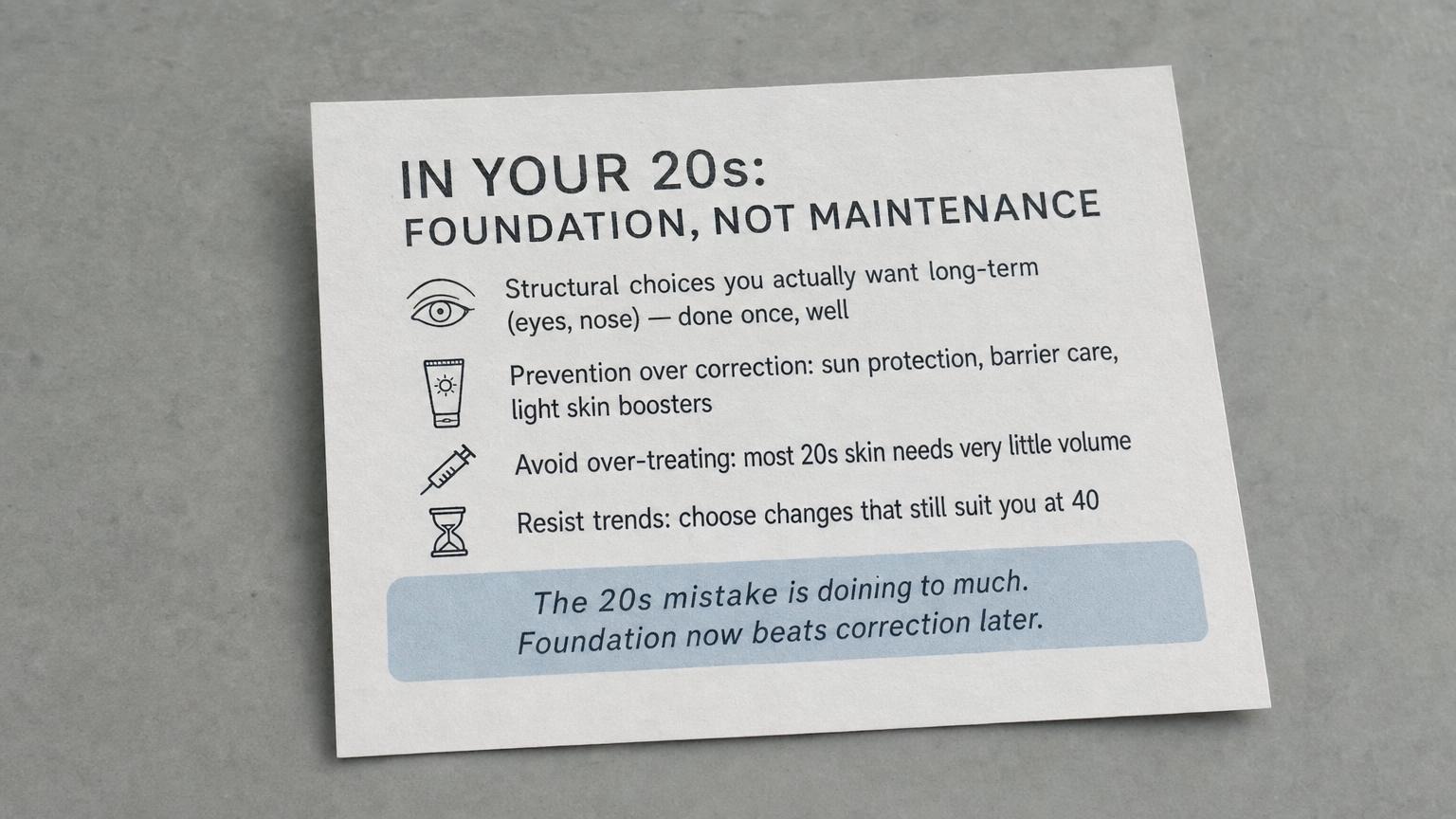
In Your 20s: Foundation, Not Maintenance
The defining mistake of the twenties is doing too much. Skin at this age is still firm, elastic, and full of volume, which means most of the anti-aging procedures marketed online are simply unnecessary. The twenties are not about correcting decline; there is no decline yet. They are about two things: making any structural choices you genuinely want, and protecting what you already have.
If there is a structural feature you have always wanted addressed, the eyes or the nose for example, the twenties are a sensible time to do it well and once, while the tissue is healthy and recovery is quick. This is the decade where procedures like Korean double eyelid surgery or a considered Korean rhinoplasty make the most sense, because a structural change you actually want is best made when you are young enough to enjoy it for decades. The key word is considered: a change that will still suit you at forty, not one chasing a trend that will date.
The other priority is prevention rather than correction. Diligent sun protection, a simple barrier-supporting skincare routine, and at most light skin boosters are all the maintenance most twenties skin needs. Volume procedures, aggressive resurfacing, and lifting treatments are almost always premature. A clinic that proposes a long anti-aging plan to a healthy twenty-something is selling, not advising.
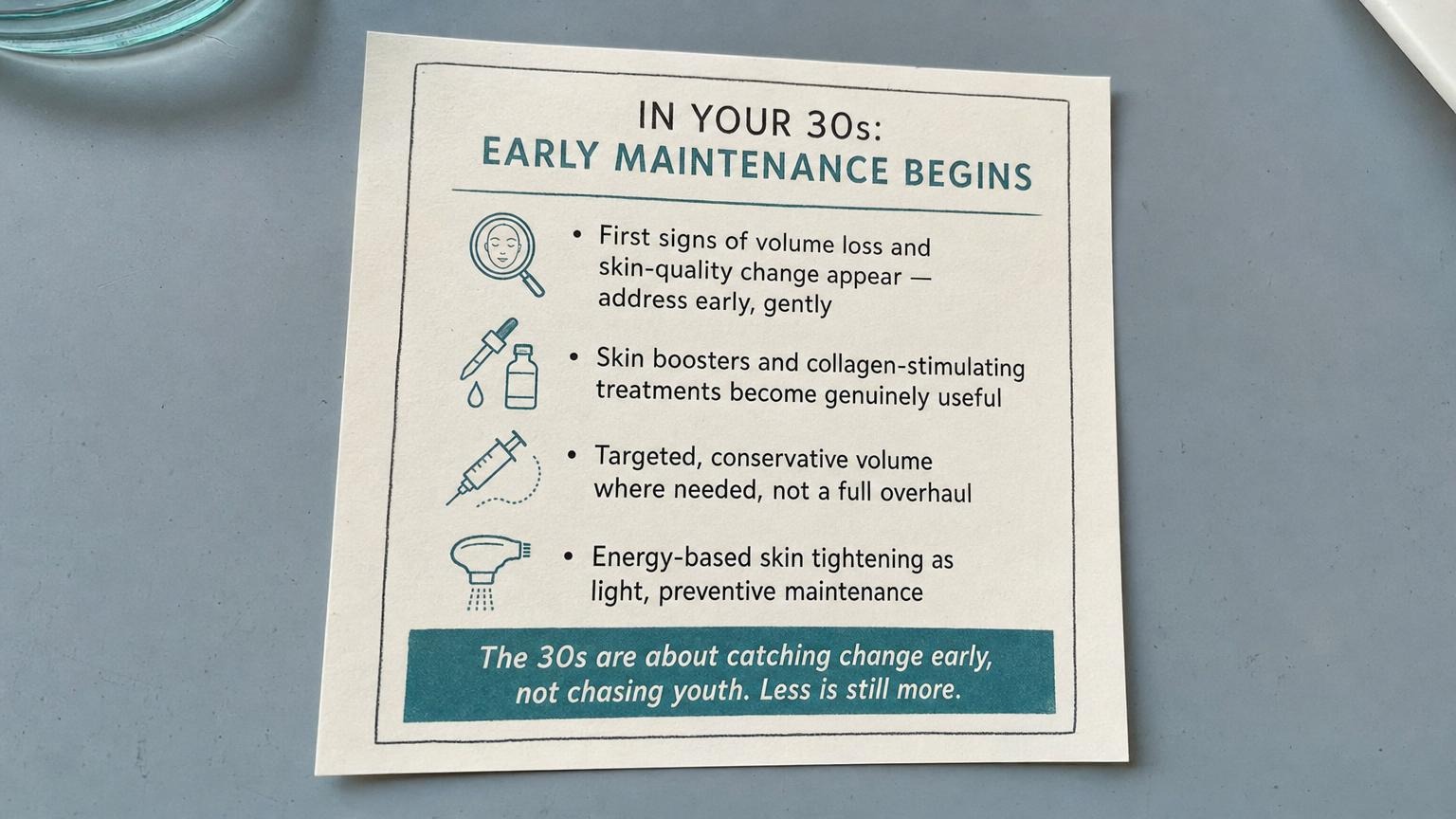
In Your 30s: Early Maintenance Begins
The thirties are when the first real signs of change appear, and the skill of this decade is catching them early and gently rather than overreacting. Volume begins to soften subtly in the midface, skin quality and texture start to shift, and the very first fine lines settle in. None of this calls for dramatic intervention; it calls for light, well-timed maintenance.
This is the decade where skin-quality treatments become genuinely useful for the first time. Collagen-stimulating injections and skin boosters, which are premature in the twenties, start to earn their place as the skin’s own production slows. Treatments like Korean Rejuran skin boosters and the broader family of non-surgical petit treatments fit the thirties precisely because they support and maintain rather than overhaul.
Targeted, conservative volume is reasonable where a specific area has genuinely lost support, but the thirties are not the time for a full facial overhaul. Light energy-based skin tightening can also begin as preventive maintenance for those who want it. The guiding principle is restraint: the goal is to catch change early and slow it, not to chase a twenty-year-old face with a thirty-year-old one. Patients who maintain gently through the thirties usually need far less dramatic work later.
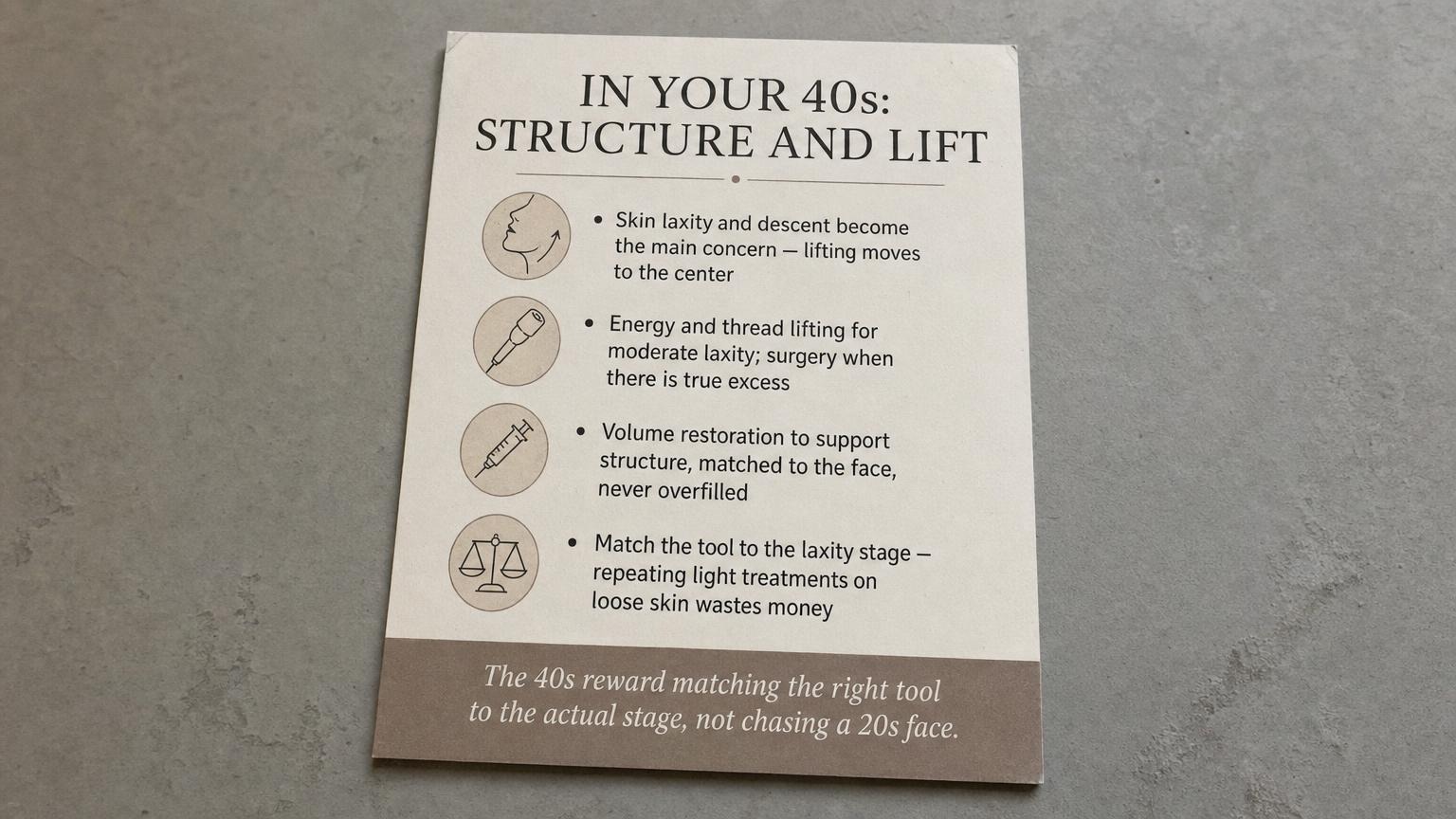
In Your 40s: Structure and Lift
By the forties, the central concern shifts from skin quality to skin laxity and descent. Tissue that has gradually loosened and dropped becomes the main thing patients want addressed, and this is where the logic of the earlier decades reverses. The light maintenance approach that served the thirties is no longer enough on its own, and lifting moves to the center of the plan.
Recommended for Your Recovery
Products commonly used before and after Korean cosmetic procedures by age 20s 30s 40s — same items routinely recommended in the recovery instructions Seoul clinics hand out at discharge.
- Arnica Montana Tablets — start 3 days before facial surgery to reduce bruising in the treated area. Check price on Amazon
- Silicone Scar Sheets — for procedures with visible incisions, apply from week 3 onward to support scar maturation. Check price on Amazon
- Beauty of Joseon Relief Sun SPF 50+ — daily Korean SPF 50+ to protect freshly treated facial skin. Check price on Amazon
- COSRX Advanced Snail 96 Mucin Power Essence — Korean snail mucin essence to support the post-procedure skin barrier. Check price on Amazon
As an Amazon Associate, GlobalBeautySpot earns from qualifying purchases at no extra cost to you.
The right tool depends entirely on how much laxity there is. For moderate laxity, energy-based and thread lifting can reposition and tighten without surgery. Treatments like Korean Ultherapy and the Korean flower lift thread procedure suit this stage well. When there is true excess skin, surgery becomes the honest answer, because no amount of energy will lift skin that has genuinely outgrown its frame.
Volume restoration also matters in the forties, but as support for structure rather than as an end in itself, and always matched carefully to the face to avoid the overfilled look. The single most expensive forties mistake is repeating light, no-downtime treatments on skin that has moved well past the stage they can help, spending steadily while the sagging continues. Matching the right tool to the actual laxity stage is the whole game in this decade.
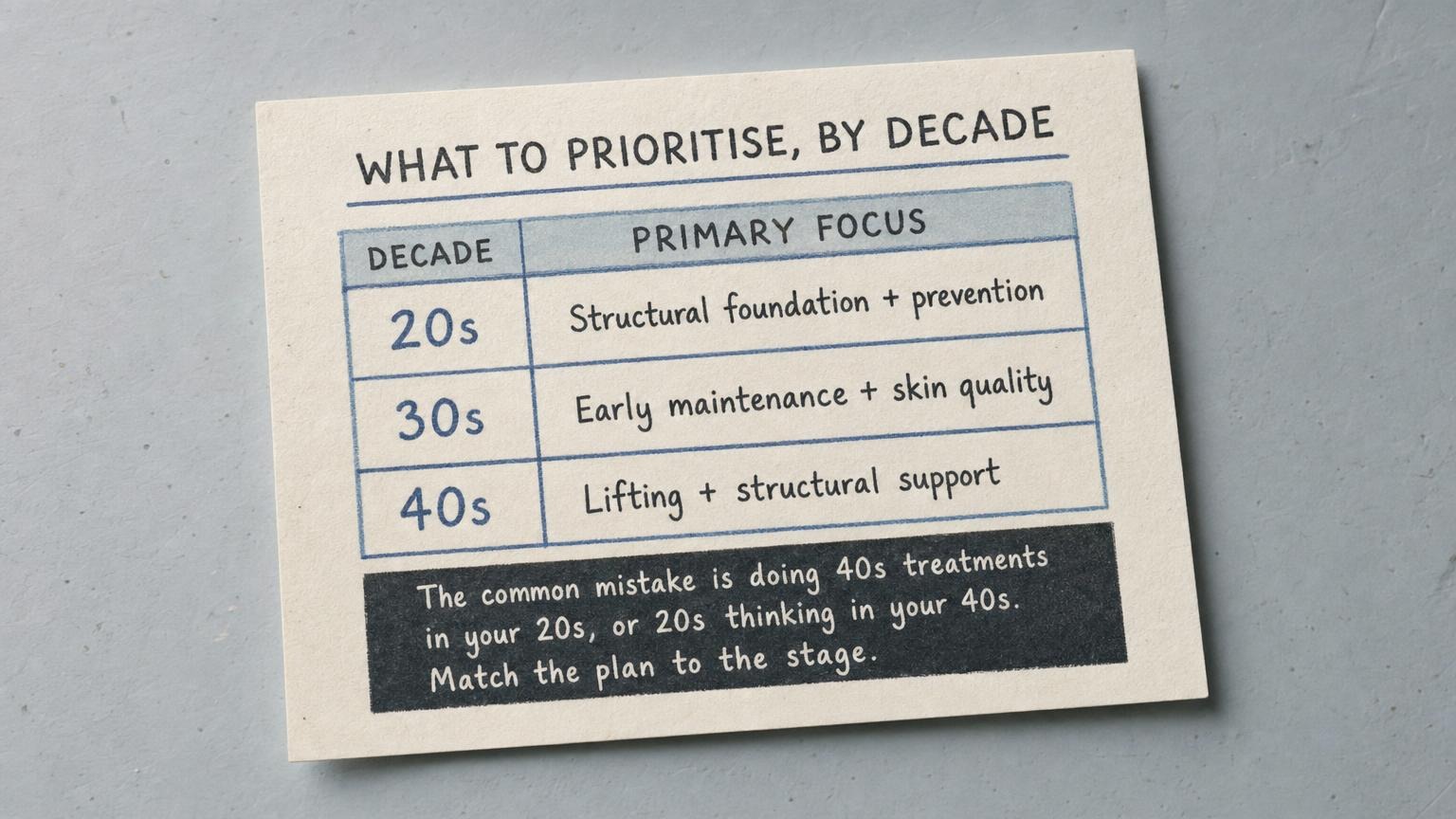
The Common Thread: Match the Plan to the Stage
Read across the three decades and a single principle emerges. The twenties are about foundation and prevention, the thirties about early maintenance and skin quality, and the forties about lifting and structure. The mistakes are almost always a mismatch: doing forties treatments in your twenties, or clinging to twenties thinking in your forties. A twenty-four-year-old does not need a lifting plan, and a forty-six-year-old will not be rescued by a single skin booster.
This is also why a good consultation matters more than a good procedure list. A clinic that assesses your actual stage, your skin, and your goals, and then tells you honestly what to prioritise and what to skip, is worth far more than one that says yes to whatever you walk in asking for. The most valuable advice is often a no: not yet, or not that, or you have moved past what that can do.
How to Verify the Plan Across Any Decade
Whatever your age, the same questions tell you whether a clinic is advising or selling. Did the surgeon assess your actual stage before recommending anything? Does the plan fit your decade, or does it look like a standard package applied regardless of age? What did they tell you to skip, and why? Is any structural choice one you will still want in twenty years? And is the maintenance plan realistic for someone who lives abroad and cannot visit often? A clinic that answers these clearly, and is willing to talk you out of things, is the one to trust. The broader context for planning a trip is covered across our Link Plastic Surgery resources for international patients.
Frequently Asked Questions
1. Is it too early for cosmetic procedures in my 20s?
For most anti-aging treatments, yes. Twenties skin is still firm and full, so volume, lifting, and aggressive resurfacing are usually premature. The twenties are better suited to structural choices you genuinely want done once and well, plus prevention through sun protection and gentle skincare. A clinic proposing a long anti-aging plan to healthy twenties skin is overselling.
2. What is the most common mistake people make by decade?
Applying one decade’s logic to another. Twenty-somethings often want far too much, treating prevention as if it were correction, while people in their forties sometimes want a single light treatment to fix laxity that has long since passed what an injection can touch. Matching the plan to the actual stage avoids both.
3. When do skin boosters actually become useful?
Generally in the thirties, when the skin’s own collagen production begins to slow and texture and quality start to shift. Before that, in the twenties, they are usually unnecessary. In the thirties they fit well as gentle maintenance, and they remain useful later as a supporting treatment alongside lifting.
4. Should I get structural surgery young or wait?
If it is a structural feature you genuinely and consistently want addressed, the twenties are often a sensible time, while tissue is healthy and recovery is quick, and you have decades to enjoy it. The caveat is to choose changes that will still suit you at forty rather than chasing a current trend. A considered decision beats an impulsive one at any age.
5. Can I just keep doing non-surgical treatments instead of surgery in my 40s?
Only up to a point. Energy and thread treatments work well for moderate laxity, but once there is true excess skin, no amount of non-surgical work will lift it, and continuing to pay for light treatments on skin past that stage is the most common forties money-waster. The right tool depends on how much laxity there actually is.
6. Does this age guidance differ for men?
The decade-by-decade logic is the same, though the specific procedures men prioritise often differ in emphasis. The principle of matching the plan to the stage, foundation in the twenties, maintenance in the thirties, lifting in the forties, applies regardless of gender.
7. I am in my 30s and tempted to do a lot at once. Is that wise?
Usually not. The thirties reward gentle, well-timed maintenance over a big overhaul. Catching early change with light treatments tends to mean needing far less dramatic work later, whereas overtreating in the thirties can look unnatural and is rarely necessary. Conservative and consistent beats aggressive and one-off.
8. How does Asian and Western aging affect this timeline?
The broad decade framework holds, but skin thickness, bone structure, and how aging presents can shift the timing and the specifics. A surgeon adjusts the plan to the individual face rather than a fixed age rule. The principle of matching treatment to the actual stage, not the birthday, is what stays constant.
9. What should I prioritise if I can only do one thing per decade?
In the twenties, prevention and one well-chosen structural change if you want it. In the thirties, skin-quality maintenance through boosters. In the forties, lifting matched to your laxity stage. Each decade has a clear primary focus, and choosing within that focus beats spreading a budget thin across treatments that do not suit your stage.
10. How do I plan age-appropriate treatment as an international patient?
Start with an honest consultation that assesses your actual stage rather than your wish list, and choose treatments whose maintenance is realistic for someone who cannot visit often. For current scheduling and trip-planning details, visit Link Plastic Surgery’s official website.