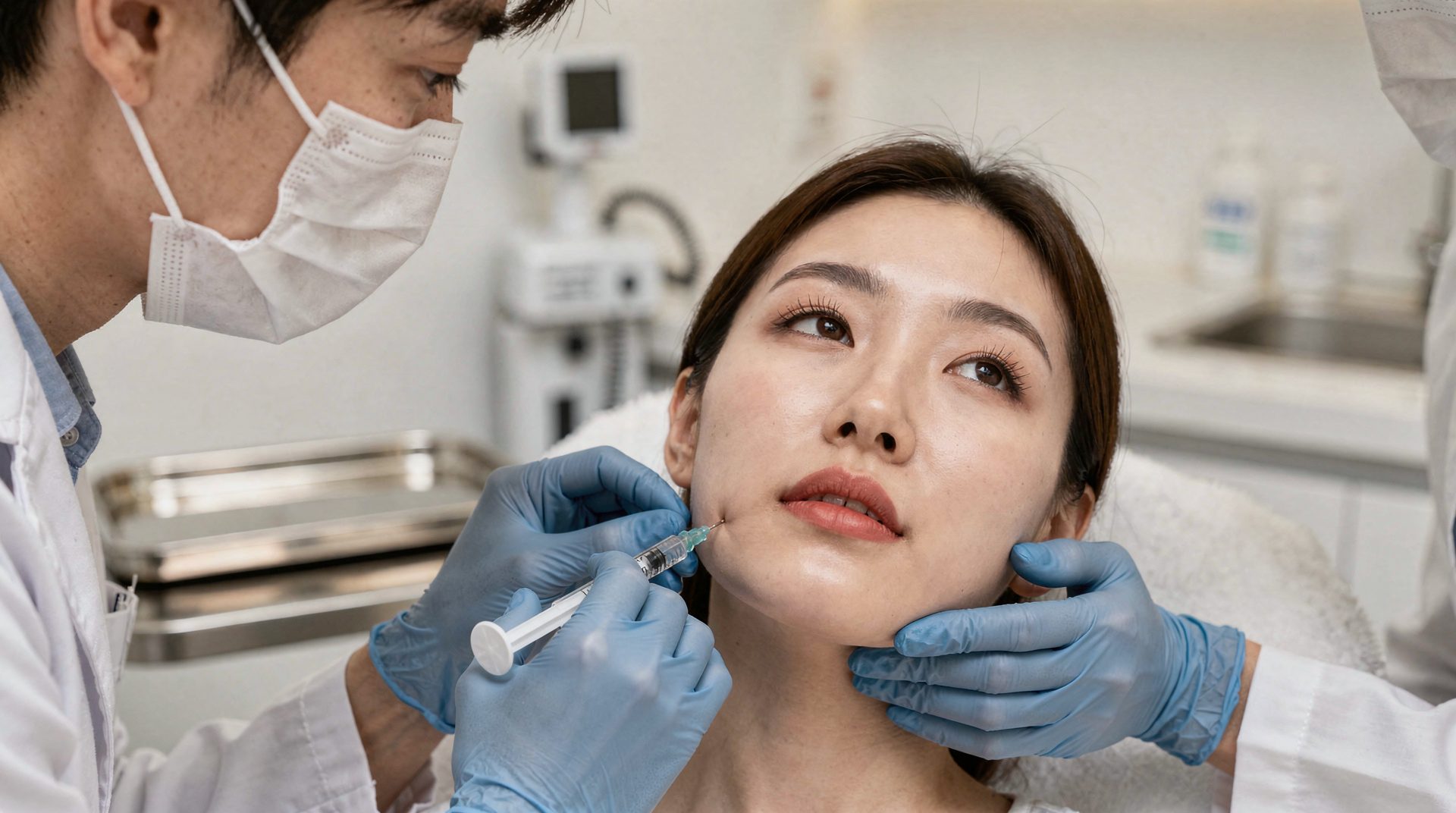
Korean Plastic Surgery Clinic Verification: 12-Point Compendium for Foreign Patients

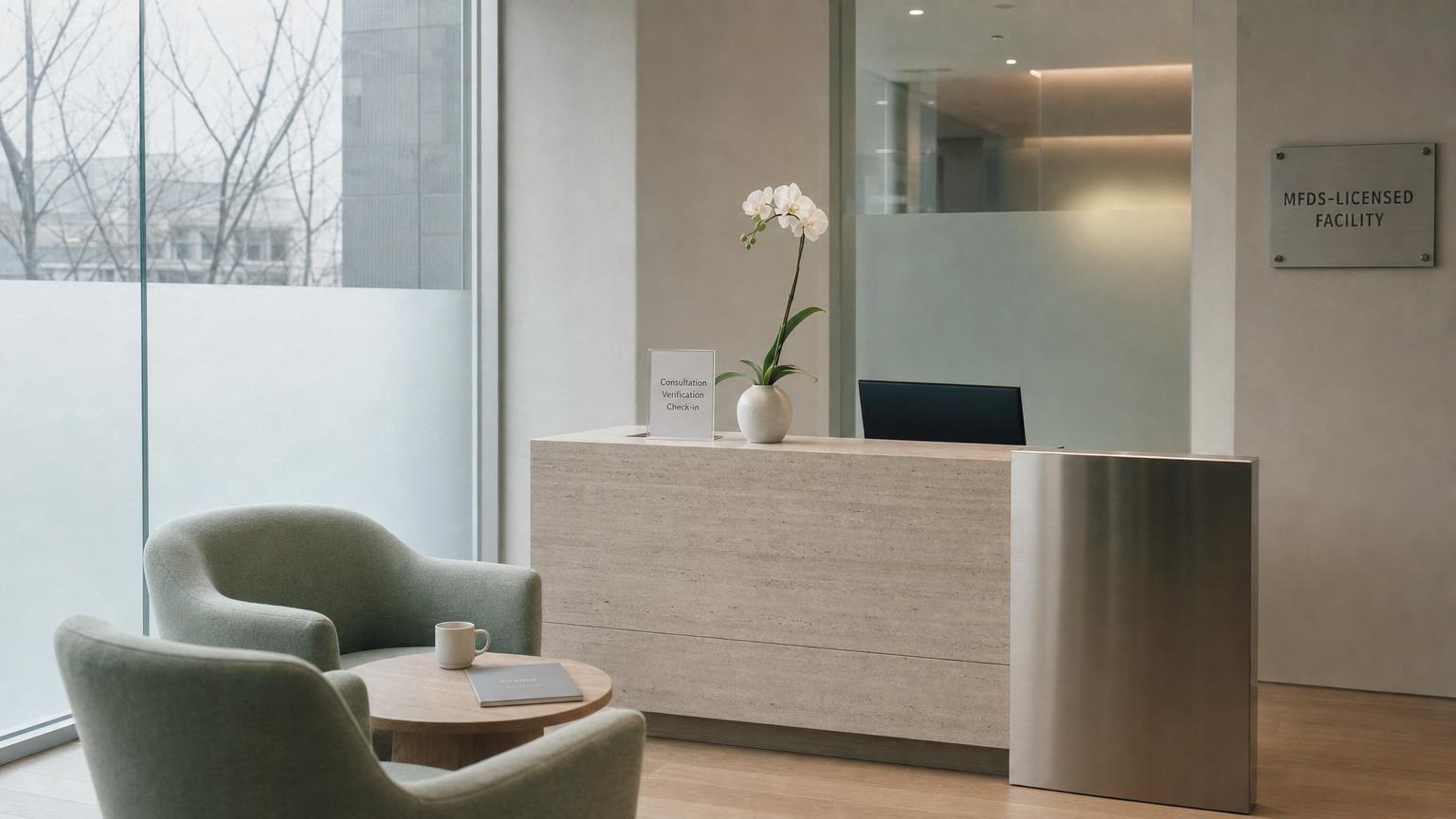
Modern Seoul aesthetic clinic concierge lobby with dove gray walls, pale oak floor, cool overcast daylight — the verification check-in moment before a foreign patient consultation begins.

The visible signals foreign patients use to evaluate Korean plastic surgery clinics — Instagram reviews, gallery aesthetics, coordinator responsiveness — almost never reach the clinical infrastructure that produces results. This 12-point framework covers surgeon credentials, device authorization, consultation depth, anesthesia transparency, emergency response, English support, gallery authenticity, aftercare and revision policy. Each point is independently verifiable before booking.

Korean Mole and Spot Removal: Why Seoul Diagnoses Before It Zaps

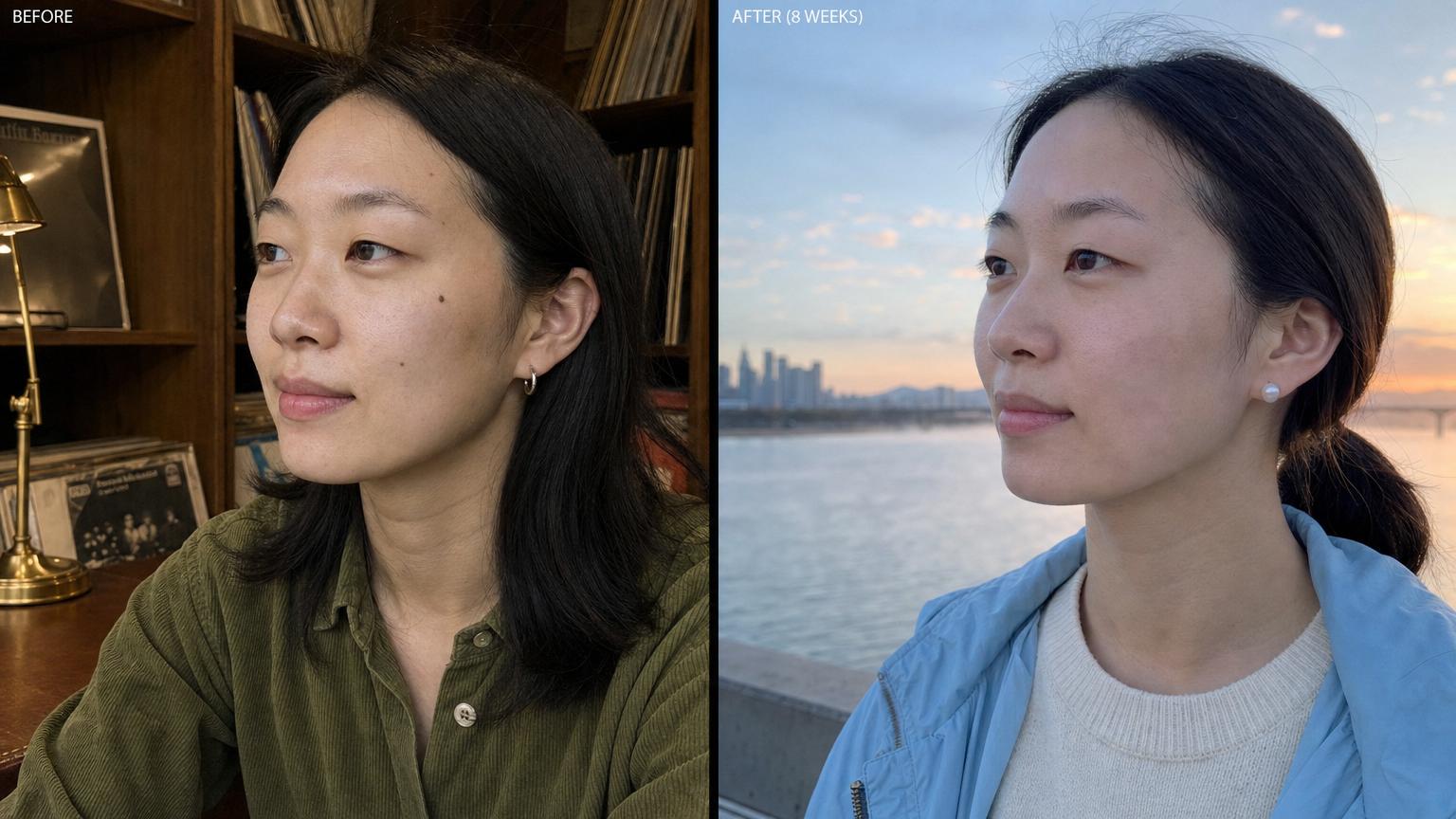
Before-and-after selfies of a Korean-Japanese woman in her mid-twenties 8 weeks after a single Korean CO2 laser session for mole and spot removal BEFORE vintage record shop interior with walnut shelving and brass tungsten lighting in an olive corduroy shirt showing a 4mm flat brown nevus on the right cheek and a small seborrheic keratosis near the temple / AFTER Han River sunrise walking path in a light ivory cotton sweater under an open sky-blue windbreaker showing the targeted lesions completely removed with surrounding skin texture pore structure and natural markers preserved

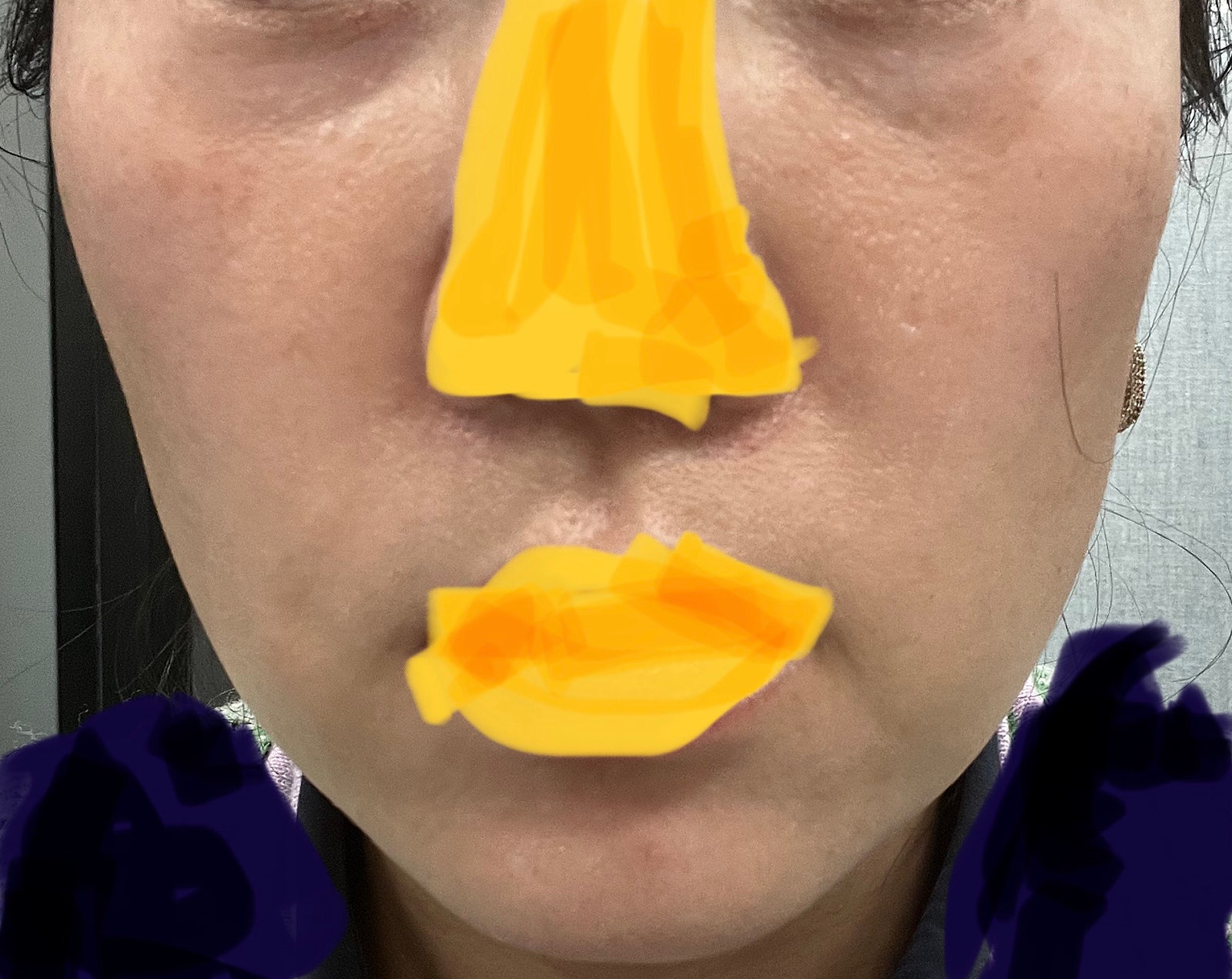
Most foreign patients searching Korean mole removal imagine a single procedure. Walk in, zap, walk out. In Seoul dermatology rooms, the first question is not which device, but which lesion. The same dark spot can be a seborrheic keratosis, an intradermal nevus, a syringoma, a milium, or a verruca, and each one needs a different method. CO2 fractional, CO2 spot, Er:YAG, Pico Q-switched, or surgical excision the real Korean signature is matching the method to the lesion. Wrong method means scarring, recurrence, hyperpigmentation. This guide walks foreign patients through the 5-lesion classification, the method-matching framework, the 8-week recovery timeline, the cost reality versus the West, and the consult-room signs that separate a thoughtful Korean derm from a one-tool clinic.
Korean Elastic Tummy Tuck for Postpartum Diastasis Recti: A Foreign Mother’s Guide

Postpartum mother in her early thirties two years after childbirth, BEFORE Korean elastic tummy tuck — bathroom mirror selfie in oversized cream cotton t-shirt and soft gray pajama shorts, showing residual lower abdominal pouch with visible diastasis recti doming along the midline when engaging the core, photographed in soft warm window light on an ordinary morning

Foreign mothers searching ‘Korea tummy tuck’ usually mean ‘I want lipo to flatten my postpartum belly.’ Korean surgeons evaluate three different problems hidden in that one request: subcutaneous fat, separated rectus muscles (diastasis recti), and a stretched skin envelope with a deformed belly button. The Link PS signature elastic tummy tuck is a layered correction performed in one integrated operative session — not an upgraded liposuction. Here is what postpartum foreign mothers misunderstand about the procedure, what Seoul clinics actually do, and how Korean protocol fluency sequences the three-layer fix.

Korean Juvelook for Foreigners: The PLLA Collagen Booster That Works Like Filler at Day One and Like Your Own Tissue at Month Six

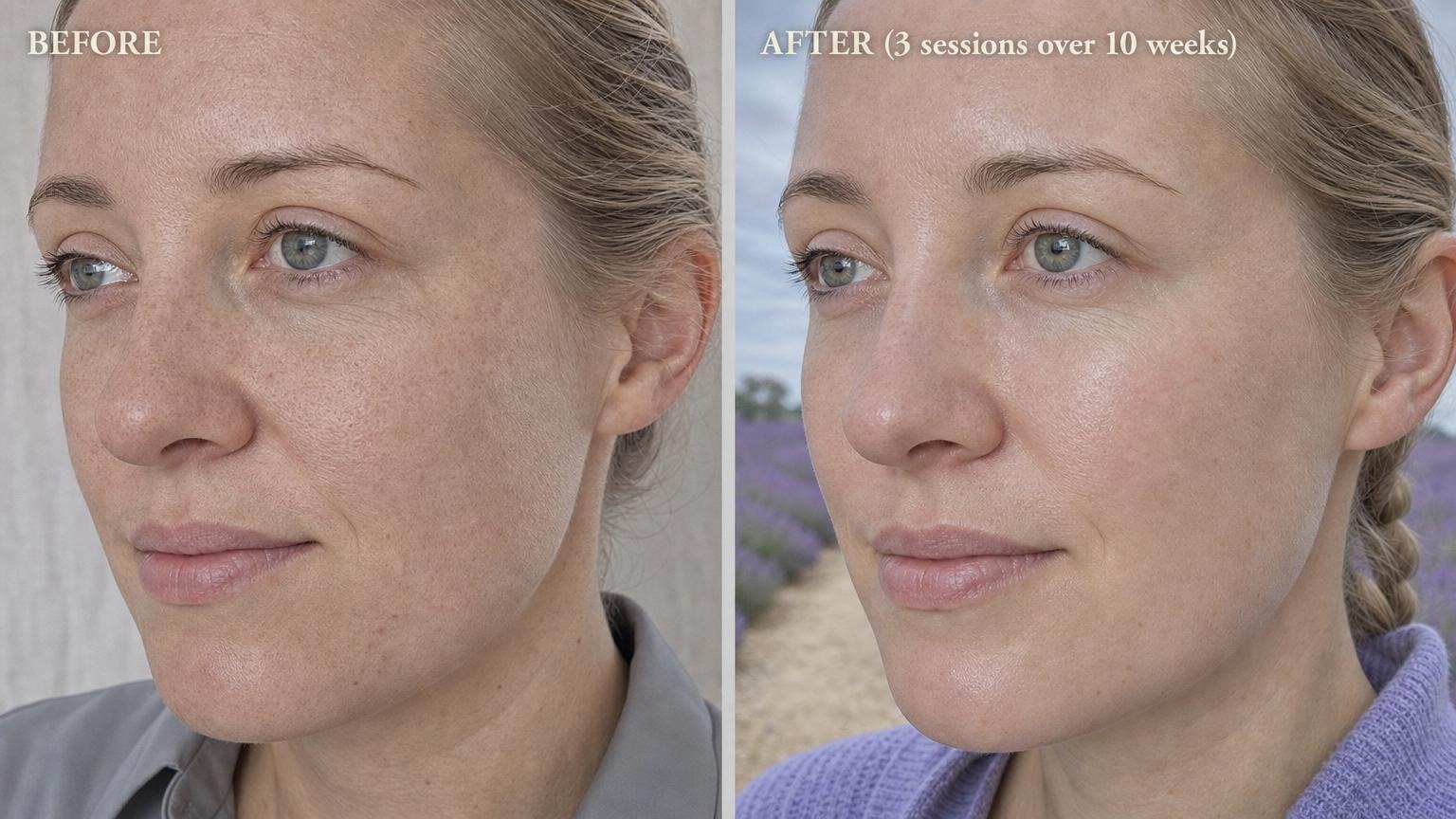
Before-and-after selfies of a Japanese woman in her early forties 12 weeks after Korean Juvelook PLLA collagen booster series — BEFORE bathroom mirror selfie / AFTER seaside outdoor selfie, completely different settings, restored natural volume

Most foreign patients treat Juvelook as ‘just another filler’. That framing is wrong. Juvelook is a hybrid — PLLA microparticles in HA carrier that delivers day-1 mirror volume via HA, then quietly stimulates the patient’s own collagen synthesis over 3-6 months via PLLA. The hybrid two-phase mechanism is everything.

Korean Under-Eye Fat Repositioning Recovery: What Each Day Actually Looks Like

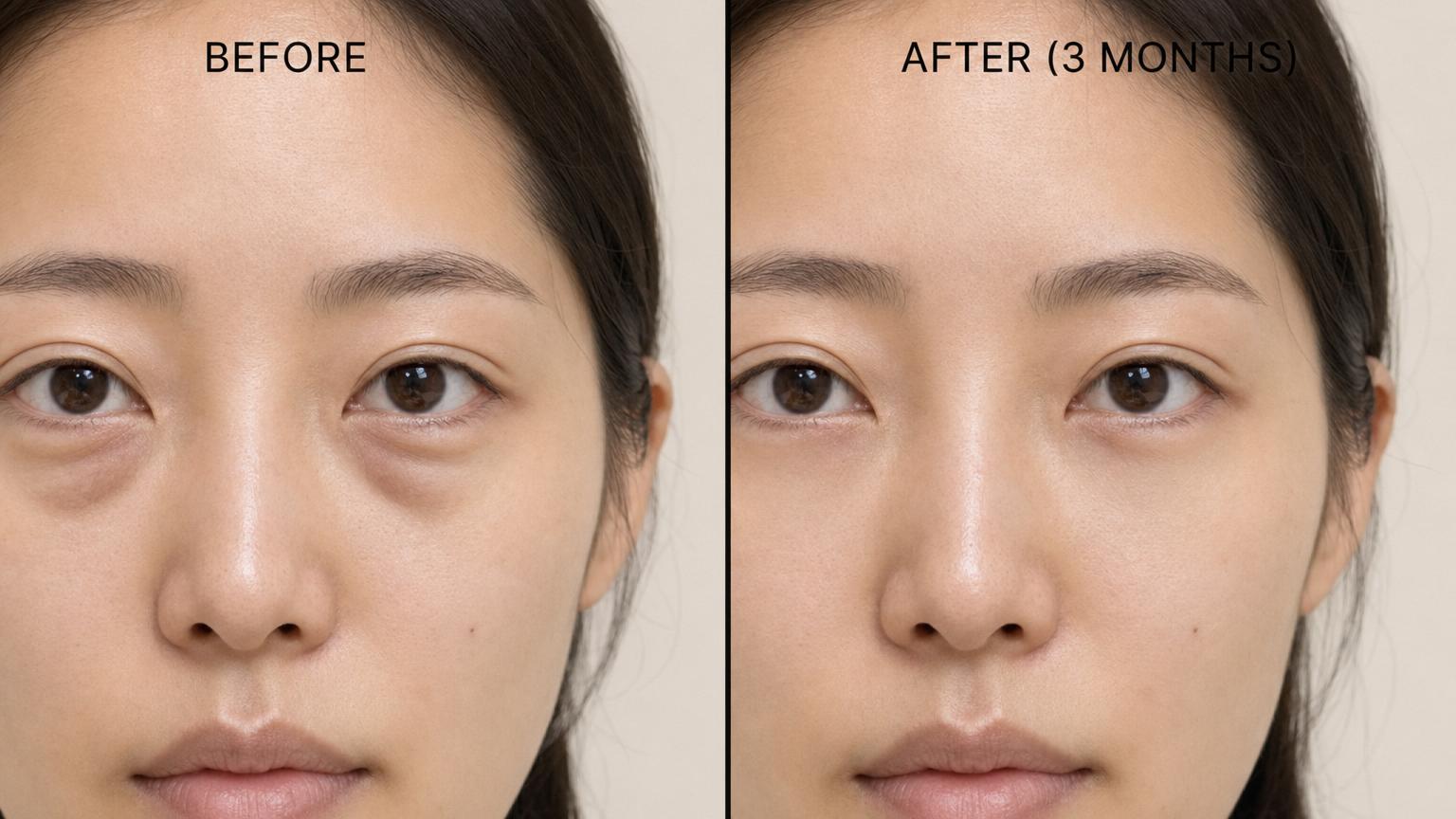
Before-and-after of a Korean woman in her early thirties at three months post-op showing tear trough hollow filled and lower-lid bag flattened by Korean transconjunctival under-eye fat repositioning

Every Korean clinic posts the three-month after-photo. The eight weeks of looking like you lost a fight that came before it never make it onto the website. This is what each day actually looks like, with references from real Seoul patients.